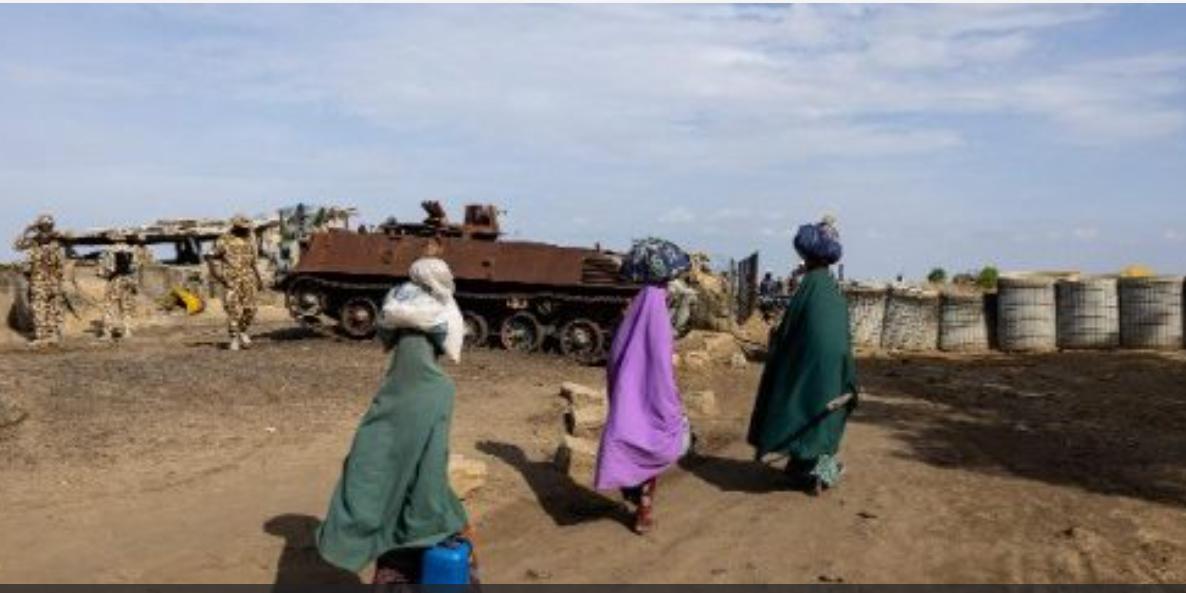
Nigeria’s kidnapping surge reveals deep-rooted criminal networks fueling rural insecurity
The Nigerian government’s military campaigns in the country’s northern regions are failing to curb a kidnapping epidemic that has now reached unprecedented levels. In just 48 hours, armed gangs seized at least 87 people across two states, underscoring how deeply entrenched criminal networks have become within rural communities.
Key factors behind the surge in mass abductions
The latest attacks, which targeted women and farmers in Niger and Zamfara states, reveal a disturbing pattern in Nigeria’s northwest. Unlike jihadist groups such as Boko Haram, these criminal gangs—often labeled as “bandits”—operate as a decentralized network, blending extortion, cattle rustling, and mass kidnappings into a lucrative underground economy.
How bandit gangs exploit Nigeria’s rural vulnerabilities
Security experts highlight several factors enabling this crisis:
- Geographical advantage: Dense forests in Zamfara and Niger provide ideal hideouts for kidnappers, making it nearly impossible for security forces to track them.
- Economic desperation: With limited livelihood opportunities, some rural youths join criminal groups, further strengthening their operations.
- Weak local governance: Remote villages lack policing and infrastructure, leaving residents vulnerable to coordinated raids.
From kidnappings to a billion-naira industry
Kidnapping has evolved from opportunistic crimes into a structured business. Between July 2025 and June 2026, analysts estimate that ransom payments exceeded $5.8 million, a threefold increase from the previous year. The Nigerian government acknowledges that 7,825 abductions occurred in this period—a 66% rise from 2024 figures.
The financial incentives are stark: kidnappers now target not just travelers or farmers but entire villages, schools, and even children. In May 2026, over 80 schoolchildren vanished following attacks in Borno and Oyo states, demonstrating the expanding scope of this threat.
Security forces struggle to dismantle criminal networks
Despite military operations like Operation FANSAN YAMMA in Zamfara and Operation Hadin Kai against Boko Haram, the kidnapping economy persists. In July and August 2026 alone, the Nigerian military conducted 7,062 operations, claiming to neutralize 1,487 insurgents, rescue 777 hostages, and seize weapons. Yet, these efforts have not prevented fresh abductions.
Why military action alone isn’t enough
Analysts argue that:
- Security forces are stretched thin across Nigeria’s vast rural terrain.
- Bandit gangs adapt quickly, relocating bases or merging with larger criminal networks.
- Local militias, some accused of retaliatory attacks, add another layer of instability.
In Zamfara, rumors suggest Sunday’s kidnappings may have been reprisals for recent clashes with community defense groups. While unverified, such dynamics highlight the fragile balance between state security and local autonomy.
Human cost: A region living under constant fear
For rural Nigerians, daily life revolves around survival. Farmers hesitate to tend fields, parents fear sending children to school, and traders avoid roads flanked by forests. Even with enhanced military patrols, the psychological toll on communities remains severe.
The latest abductions—reported in Niger and Zamfara—are a grim reminder that without addressing the root causes—poverty, weak governance, and porous borders—the cycle of violence will continue.
What’s next for Nigeria’s kidnapping crisis?
Short-term military successes are not enough. Analysts recommend a multi-pronged approach:
- Intelligence-driven operations: Tracking ransom payments and disrupting supply chains used by bandits.
- Community engagement: Strengthening local vigilantes while ensuring they coordinate with security forces.
- Economic interventions: Providing alternative income sources in high-risk areas to reduce recruitment into criminal gangs.
The Nigerian government faces a critical test: whether its security strategy can evolve beyond reactive measures to dismantle the economic engines fueling kidnappings. Until then, the 87 abducted in 48 hours stand as a stark illustration of a crisis far from resolved.
