Niger under military rule: three years of isolation and hardship
Three years ago, Niger entered a precarious phase of political, economic, and security turmoil following the military takeover in July 2023. The coup, framed as a historic shift to restore national sovereignty, was also supposed to enhance security, revitalize the economy, and foster national unity. Yet, as the junta marks this grim milestone, its promises remain largely unfulfilled, leaving citizens grappling with worsening conditions.
An economy under strain and a population struggling to cope
The economic fallout from the political upheaval has left deep scars across Niger’s economic landscape. Trade disruptions with neighboring countries, sanctions in the early stages of the regime, and a sharp decline in foreign investment have crippled key sectors. Businesses have scaled back operations or shut down entirely, while job opportunities have dwindled, pushing unemployment to alarming levels.
In local markets, the cost of staple foods, fuel, and everyday goods has skyrocketed, eroding household purchasing power. Families face mounting expenses for essentials, making it increasingly difficult to meet basic needs. Small businesses, farmers, and local governments are also struggling with limited financing options, restricted access to credit, and an overall climate of uncertainty that stifles economic initiative and private investment.
Public freedoms shrink amid growing repression
Human rights organizations have raised alarms over the shrinking civic space under the military regime. Civil society groups operate under intense pressure, with dissenting voices facing legal repercussions or arbitrary arrests for criticizing authorities.
>Independent media outlets now function in a highly restrictive environment. Journalists report frequent intimidation and severe constraints on their work, while public gatherings and political rallies remain heavily controlled. Opposition groups and civil society organizations find their ability to mobilize severely limited, pushing many toward silence or, in some cases, forced exile.
A security crisis that persists despite promises
The military leadership justified its seizure of power by vowing to defeat terrorism, yet armed attacks continue to plague multiple regions. Border communities bear the brunt of violence, facing recurrent displacements, restricted access to essential services, and chronic insecurity that disrupts agriculture, education, and daily life.
The persistence of these threats has raised serious questions about the effectiveness of the regime’s security strategy over the past three years. Despite restructuring military operations and forging new security alliances, the threat from armed groups shows no signs of abating, leaving populations in constant fear.
Official narratives lose credibility as conditions worsen
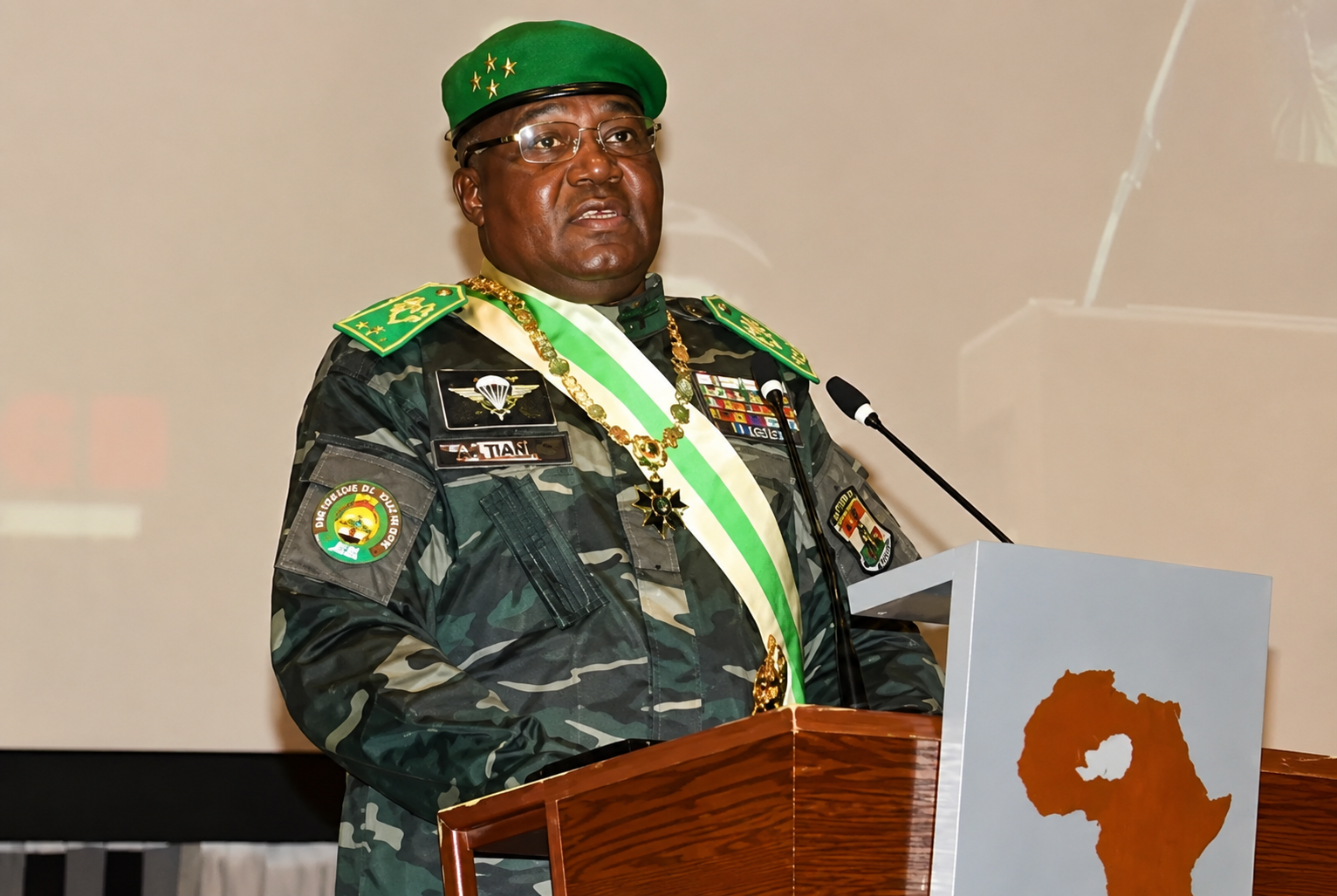
The recent televised address by General Abdourahamane Tiani underscored the growing disconnect between official rhetoric and ground realities. Rather than unveiling concrete measures to address pressing economic or security challenges, the junta leader focused heavily on blaming external actors and highlighting perceived foreign threats.
Analysts suggest this approach reflects the regime’s struggle to deliver on its initial promises. As frustrations mount, public discourse is shifting from assigning blame to demanding tangible solutions to the country’s deepening crises.
A political future shrouded in uncertainty
The prolonged military rule has led to a progressive tightening of political space. The absence of a clear timeline for a return to civilian governance fuels speculation about Niger’s institutional future. Political parties operate under severe restrictions, and public debate remains stifled, raising concerns about the erosion of democratic accountability and citizen participation.
Three years on: a nation at a crossroads
As the junta commemorates three years in power, the gap between its ambitious rhetoric and the harsh realities on the ground widens. The economy remains fragile, living costs continue to climb, civic freedoms are under assault, and insecurity lingers in many regions. For countless Nigeriens, the priority is no longer political debates but the urgent need for stability, security, and economic opportunities that can secure a better future.
Amid this prolonged crisis, calls for accountability, dialogue, and concrete action to address the population’s most pressing concerns grow louder by the day.
