
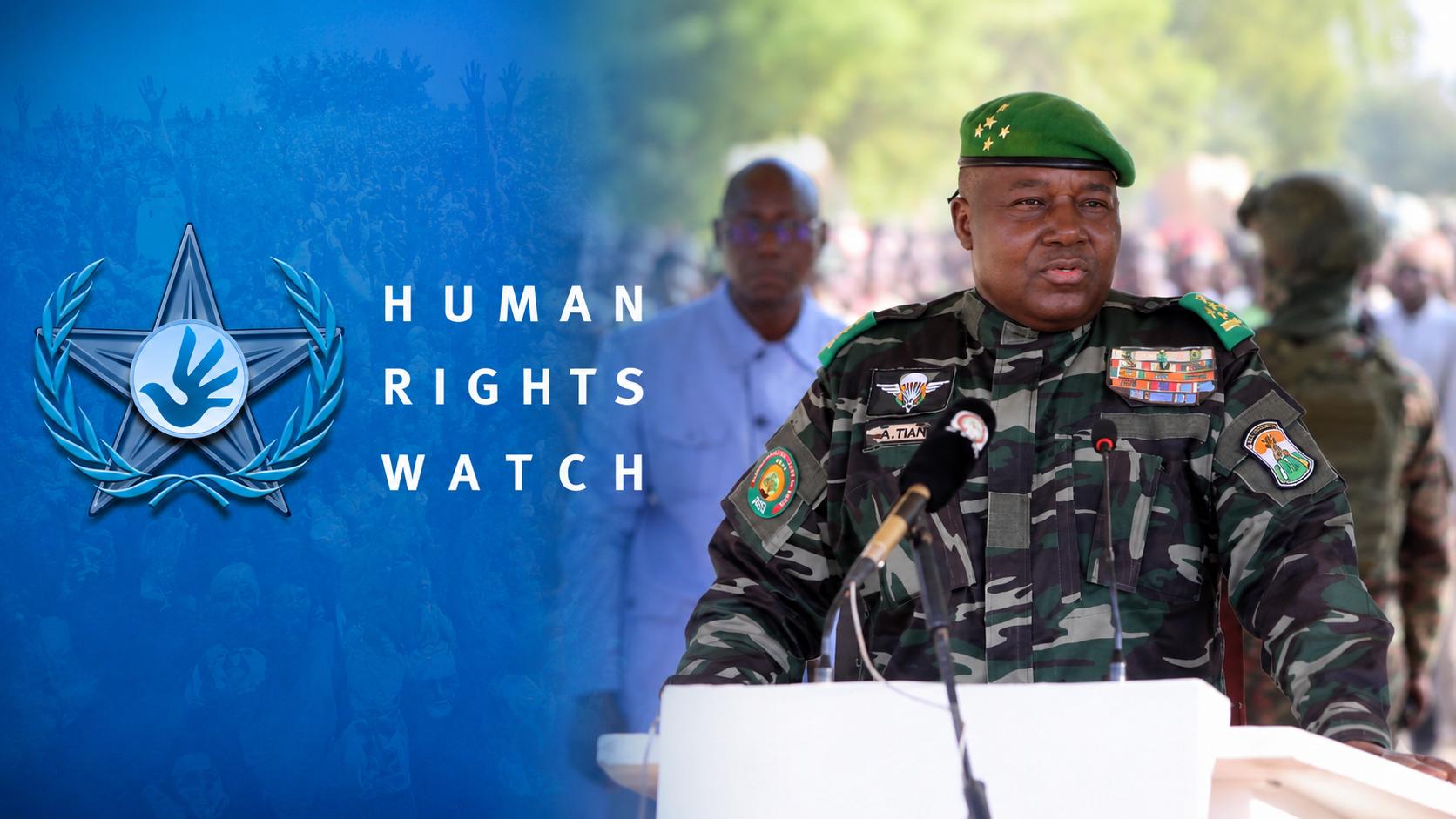
Niger three years after the military takeover: a bleak landscape for rights
Three years have elapsed since the ousting of President Mohamed Bazoum by a military junta led by General Abdourahamane Tiani. A scathing assessment by Human Rights Watch now paints a stark picture: Niger’s democratic foundations have been systematically dismantled, giving way to an authoritarian regime masking its actions behind claims of security and sovereignty.
The Conseil National pour la Sauvegarde de la Patrie (CNSP) has not only eroded civic space but has also dismantled legal safeguards, leaving dissenting voices vulnerable. Arbitrary detentions, shuttered political avenues, and diplomatic isolation have plunged the country into an institutional crisis that shows no signs of abating.
Political opponents and civil society leaders targeted
The continued detention of former President Bazoum and his wife stands as the most glaring example of the regime’s unrelenting crackdown. Despite international outcry and calls from UN working groups for their immediate release, the military leadership remains unmoved. This pattern of repression extends beyond political figures, ensnaring human rights defenders such as Moussa Tiangari, arrested in December 2024. His prolonged detention—now extended to four years under a retroactively amended penal code—highlights the regime’s disdain for due process.
Press freedom and dissent silenced
The crackdown on dissent has intensified, with severe consequences for civil liberties:
- Political and labor organizations dissolved: All political parties have been banned, alongside numerous independent unions and NGOs, effectively silencing organized opposition.
- Media crackdowns escalate: A revised cybercrime law has become a tool for stifling critical voices. In October, six journalists in Niamey were detained merely for circulating an invitation to a press conference.
- Exile opposition faces reprisals: The regime has begun stripping citizenship from critics abroad, including Mariama Djibrine, a prominent opposition figure whose nationality was revoked under the pretext of national security.
A society under siege and international alienation
In March, Niger’s regime took another regressive step by amending the Penal Code to criminalize same-sex relations and LGBTQ+ advocacy, imposing sentences of 5 to 20 years. This draconian measure has already disrupted vital public health initiatives and instilled widespread fear.
On the diplomatic front, Niamey has deliberately distanced itself from regional and international bodies. The withdrawal from ECOWAS and the International Criminal Court (ICC) in June has left citizens without legal recourse, deepening their vulnerability amid escalating insecurity in regions like Tillabéri, where civilian casualties continue to mount in military operations.
As the junta tightens its grip, human rights organizations are urging both global partners and regional stakeholders to move beyond passive diplomacy. Their call is clear: demand the release of political prisoners and insist on a credible pathway back to civilian governance.