Niger-Libya deal exposes shifting power plays in the Sahel with Algeria in the crosshairs
Prime minister’s Benghazi visit delivers strategic shift in Niger-Libya ties
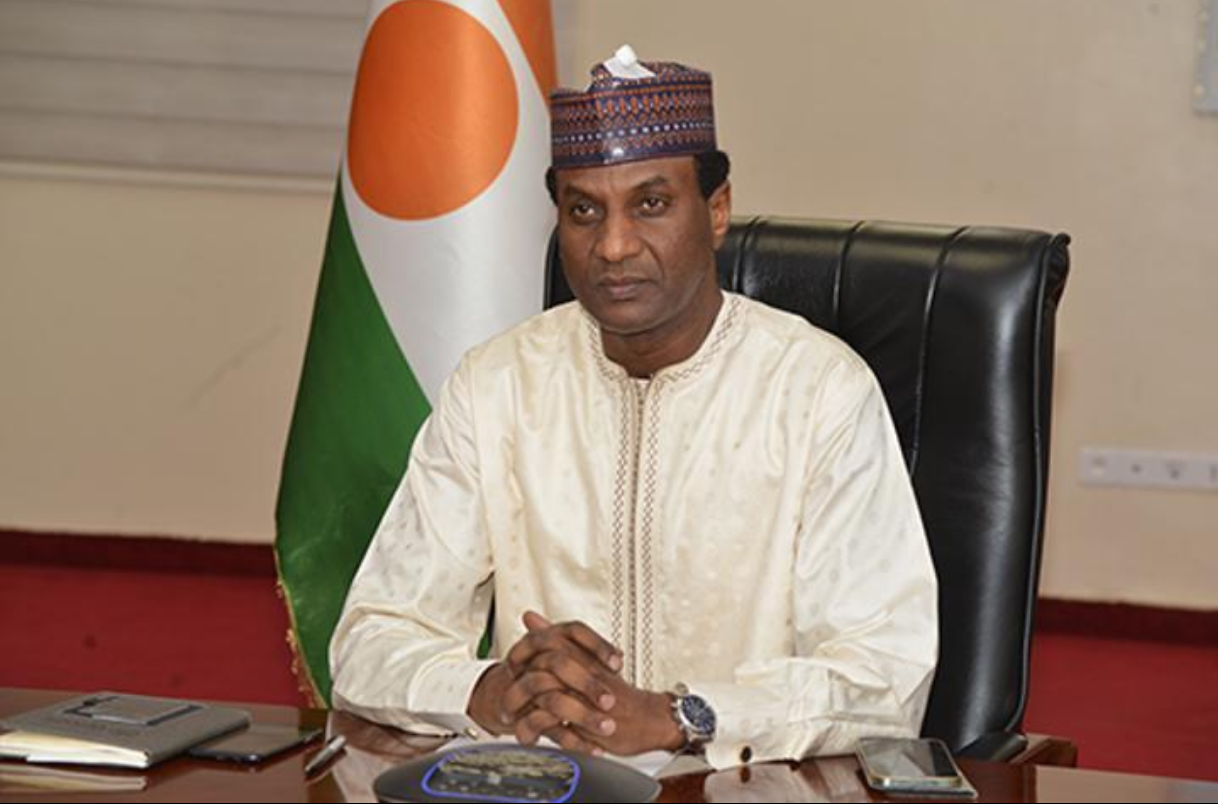
Prime Minister Ali Mahaman Lamine Zeine’s Sunday arrival in Benghazi and the immediate signing of a strategic cooperation protocol with eastern Libya’s authorities mark a calculated pivot in the Sahel’s shifting security landscape. While framed as diplomatic outreach, the meeting between Zeine and Saddam Haftar—deputy commander of Libya’s eastern forces—and Osama Hammad, head of the eastern Libyan government, signals deeper political maneuvering in a region where military balances are increasingly precarious.
Algeria’s military footprint in Niger raises stakes for Niamey
On October 25, Algeria’s parliament greenlit the deployment of National Popular Army units into Niger, a historic policy reversal that underscores Algiers’ determination to protect its economic and energy interests—particularly oil ventures and the Trans-Saharan Gas Pipeline. Beyond commercial stakes, Algeria’s move responds to growing security concerns: asserting control over the Maghreb-to-Sahel transit corridors.
Analysts point to the Madama base in northeastern Niger as a potential staging ground for Algerian forces, given its proximity to the Libyan border. This presence would allow Algiers to monitor militant movements in the Sahara and safeguard its investments, yet it also raises a critical question: how far will Algeria extend its military footprint in a region where the Haftar faction is consolidating influence?
The triple-border zone: epicenter of competing regional interests
The tri-border region linking Niger, Libya, and Algeria serves as a vital nexus for population flows, trade, and armed groups. It has also emerged as a flashpoint for military and political rivalries.
Algeria views the southward expansion of forces loyal to Khalifa Haftar with unease, fearing that Haftar’s growing sway could undermine Algeria’s control over the Sahara-Sahel transit axes. Complicating matters further, southern Libya has become a haven for militant factions hostile to Niamey, with allegations of support networks persisting despite murky evidence.
In this volatile environment, the Niger-Benghazi cooperation protocol offers a dual advantage: bolstering Libya’s political and security foothold in the south while providing Niger with strategic leverage amid internal fragility.
Algiers vs. Benghazi: a proxy battle for Sahel dominance
Relations between Algeria and the Haftar camp are rooted in deep-seated distrust. Algiers has long backed the Tripoli-based Government of National Accord, advocating for a negotiated solution to Libya’s crisis, while Benghazi forges independent regional alliances.
The timing of Saddam Haftar’s engagements with Niger—coupled with Niamey’s pivot toward Benghazi—could be interpreted in Algiers as an attempt to dilute Algerian influence in the Sahel. While the Benghazi protocol hints at potential military, security, and economic collaboration, its specifics remain undisclosed, leaving open the possibility of deeper ties—or merely symbolic diplomacy.
Niamey’s balancing act: sovereignty on the line
For Niger’s leadership, the overriding priority is safeguarding national security amid terrorism, diplomatic tensions, and the tug-of-war between regional powers. By simultaneously engaging with Algiers and Benghazi, Niamey seeks to preserve strategic flexibility and avoid over-dependence on a single partner.
Yet the strategy carries risks. The country risks becoming a battleground in a zero-sum contest between two rival blocs with divergent agendas. The Benghazi meeting thus reflects the fluid geopolitics of the Sahel, where porous borders and shifting alliances make cooperation a double-edged sword.
What comes next for the Sahel’s shifting sands
One certainty emerges: the Algeria-Haftar rivalry is no longer confined to Libya. It has spilled into the Sahara’s southern reaches, with Niger poised as a key theater for indirect confrontation. As alliances harden and military postures intensify, the triple-border zone’s future will hinge on whether Niamey can navigate the storm—or become ensnared in it.
