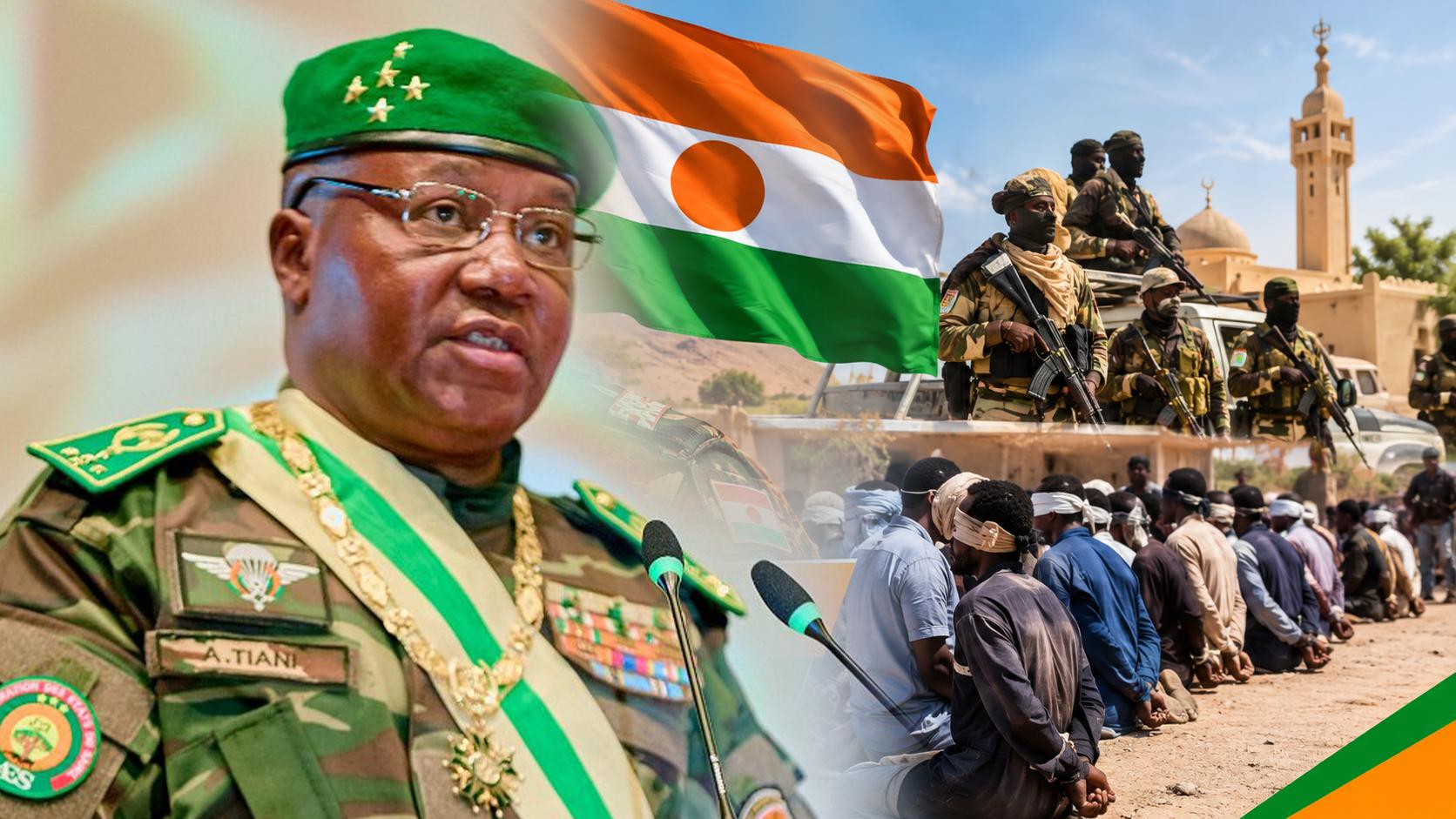
Niger kidnapping aftermath: 500 worshippers still missing as a nation demands answers
Days after gunmen sealed off mosques and marched close to 500 worshippers into a dense forest, Niger is no longer asking only what happened — it is asking what comes next. The mass kidnapping of 21 August 2026 has unleashed a wave of grief, fear and anger across the country, and it has pushed the debate over the military government’s ability to protect civilians squarely into the open.
The operation, carried out as the Friday prayer drew to a close, stands as the most spectacular illustration yet of the security failure that critics say has defined the rule of General Abdourahamane Tiani. For the families still waiting for news, the political fallout is secondary. For everyone else, it is impossible to ignore.
Inside the abduction: a Friday prayer that ended in the forest
It was shortly after 1 pm on Friday 21 August when religious devotion turned into sudden terror. Dozens of heavily armed attackers moved methodically around several places of worship as the faithful finished their invocations. By blocking the exits, they trapped hundreds of defenceless civilians — elderly men, adults and young boys — before forcing them under the tree canopy at gunpoint.
The scale of the raid points to careful planning and logistics. No group claimed responsibility in the hours that followed, and no ransom demand has surfaced. That heavy silence has left relatives scanning the edge of the woods, hoping for any sign that their loved ones are still alive.
Reactions in Niger: grief, disbelief and a wall of silence from the top
The response from the authorities has done little to calm a shaken population. A government that usually moves quickly to denounce foreign interference or to celebrate tactical victories has said remarkably little about the fate of 500 of its own citizens. No clear search strategy, and no negotiating framework, has been presented publicly to the families.
- Households in the affected areas describe long days of waiting without any official information.
- Public anger is building over the absence of a visible rescue effort.
- The authorities have yet to explain how armed men were able to operate so freely, and for so long.
- Local communities say the official silence is itself a form of abandonment.
Why the raid was possible: a security vacuum years in the making
The kidnapping is not an isolated incident. It is the endpoint of a slow unravelling of state authority in Niger’s peripheral regions. When the junta pushed out traditional international partners without first building a credible operational alternative, it opened a strategic gap that jihadist fighters and criminal networks were quick to fill.
Across large stretches of the country, there is no administration and no offensive military presence — only isolated garrisons holding a defensive posture. Civilians caught between insurgent violence and the near-total absence of the state pay the price twice over, while the transitional authorities concentrate on consolidating their political grip in Niamey.
What comes next for the hostages — and for the country
The immediate priority remains the fate of the missing. Every hour without news deepens the anguish of families who have already lost patience with patriotic speeches that change nothing on the ground.
Negotiation, rescue or stalemate?
Three years after the coup that removed the democratically elected president Mohamed Bazoum, the promised security restoration has not materialised. The Conseil national pour la sauvegarde de la patrie justified taking power by the need to halt the terrorist threat and restore state authority. In practice, an under-equipped and overstretched army is struggling to contain the expansion of armed groups.
The gap between the sovereignist rhetoric broadcast on national television and everyday life in rural areas has never looked wider — and the abduction of 21 August has made that gap visible to the entire nation.
An outlook defined by hard questions
By striking a mass religious gathering and escaping before any meaningful response could be mounted, armed groups demonstrated both their reach and their confidence. For the families, the only question that matters is whether the 500 will come home. For Niger as a whole, the deeper question is how long a country can endure when the political ambitions of an isolated junta and the basic protection of its people pull in opposite directions.
