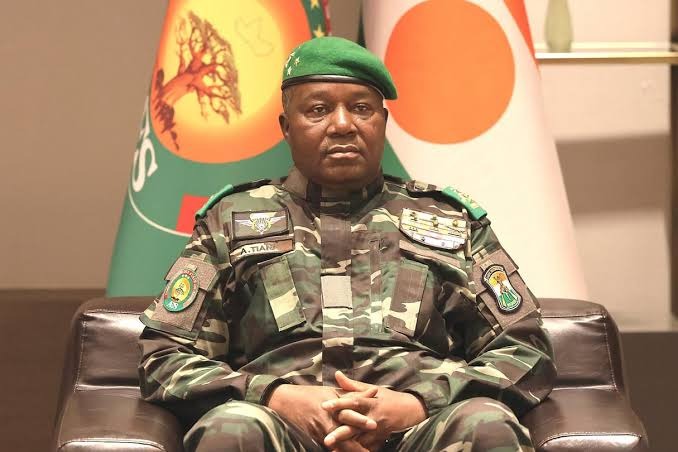
Niamey mutiny exposes cracks in Niger’s military leadership
A violent uprising at Niamey’s Air Base 101 in late August ended with devastating consequences—claiming the lives of at least 13 members of the Presidential Guard and leaving numerous others wounded in heavy-weapon clashes. Though fewer than 20 mutineers were apprehended during the security sweep, the incident laid bare deep-seated fractures within Niger’s armed forces, an institution that fields tens of thousands of troops across the volatile Sahel region. The turmoil unfolded as the nation allocates over 37% of its national budget to defense spending in response to persistent armed group activity, fueling public anxiety among Niger’s 25 million citizens about regime stability and troop cohesion—especially in the high-risk tri-border zone.
Internal rifts threaten military unity
The rebellion revealed simmering discontent within the very ranks meant to uphold the current military-led government. For more than 24 hours, insurgents seized key strategic locations in the capital, exposing grievances rooted in both operational strain and institutional dysfunction.
- Complex internal grievances: Beyond complaints about living conditions, equipment shortages, and unclear command structures, authorities alleged external interference and infiltration attempts aimed at destabilizing the chain of command.
- Fragile calm amid arbitrary crackdowns: While the immediate threat was neutralized at Air Base 101, the subsequent wave of arrests quickly spiraled into a chaotic and indiscriminate purge. In the fog of suspicion—and amid sweeping leadership reshuffles—some mid-ranking officers exploited the crisis to settle personal scores. This led to the detention of special forces personnel and junior officers based on mere command rivalries rather than credible evidence. Tensions remain high within garrisons, where daily disputes erupt over perceived injustices, and families of detained soldiers demand accountability, denouncing what many describe as a witch hunt disguised as judicial process.
Regional implications for the Sahel alliance
The fallout from Niamey reverberates far beyond Niger’s borders. Across the Sahel, national armies are already stretched thin combating relentless terrorist threats in the tri-border area. The instability within Niger’s security apparatus sends a troubling signal to neighboring states.
For the Alliance of Sahel States (AES), the integrity and reliability of each member’s military structure is foundational to any collective defense strategy or sovereignty initiative. Domestically, Nigeriens now grapple with this security crisis on top of mounting economic hardship, inflation, and regional insecurity. Although daily life and administrative functions have resumed in the capital, uncertainty lingers. Civil society groups and independent observers are pressing for transparent reforms to restore internal discipline and prevent future uprisings—steps seen as essential to halting further deterioration in the broader Sahelian crisis.
