New russian paramilitary force shaping Mali’s future
Tensions escalated dramatically in Mali over the weekend as a coordinated offensive by Islamist militants and Tuareg rebels targeted multiple strategic positions held by the ruling junta. In Bamako, the capital, Defense Minister Sadio Camara was killed in an assault on his residence, marking a pivotal moment in the country’s ongoing instability.
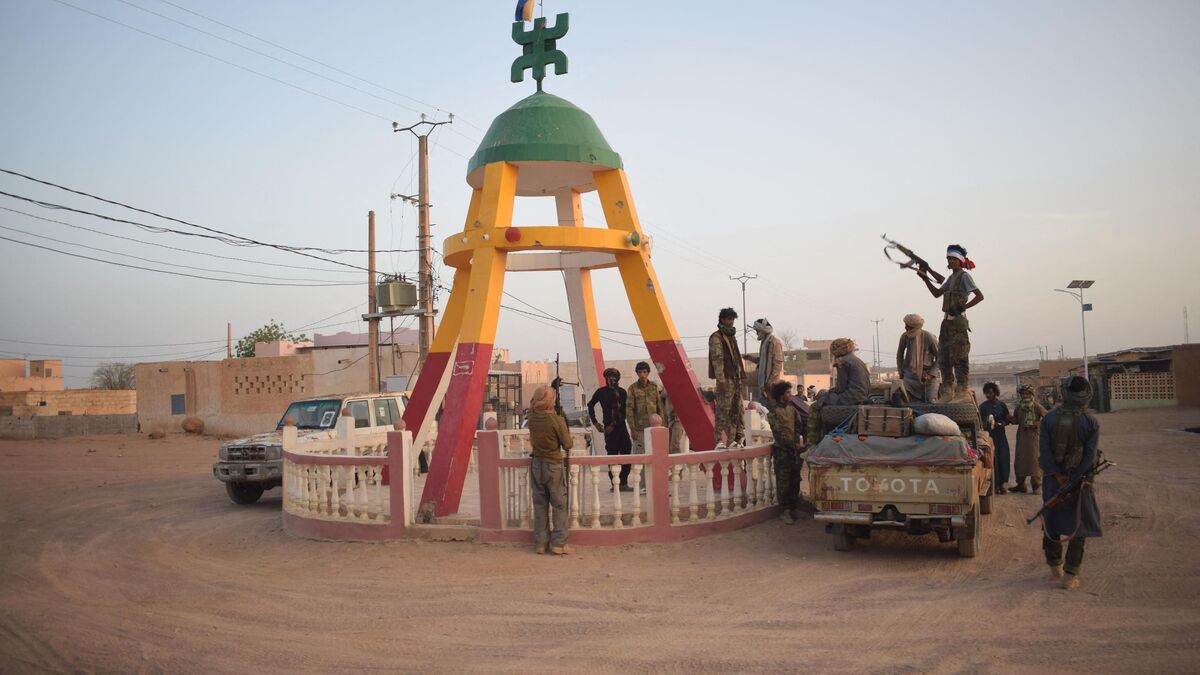
In a significant setback for Moscow’s regional ambitions, the Africa Corps – a shadowy Russian paramilitary unit – was forced to relinquish control of Kidal, a key stronghold in eastern Mali. The city, which had been under the group’s iron grip for years, fell after intense clashes and protracted negotiations, signaling the limits of Africa Corps’ influence despite its reputation for ruthless efficiency.
The Africa Corps, often described as one of Russia’s most clandestine overseas military branches, emerged publicly in late 2023 as a successor to the embattled Wagner Group. While Wagner’s founders, oligarch Yevgeny Prigojine and former intelligence officer Dmitri Utkin, perished in a suspicious plane crash in August 2023 amid a failed mutiny against the Kremlin, the Africa Corps was quietly established under the direct supervision of Deputy Russian Defense Minister Yunus-bek Yevkurov. Unlike its predecessor, this new force operates with tighter Kremlin control and less visible brutality, though it remains a critical tool for Moscow’s geopolitical strategy in West Africa.
From Wagner to Africa Corps: a strategic pivot
The transition from Wagner to Africa Corps reflects a deliberate shift in Russia’s African policy. As Wagner’s reputation suffered due to widespread allegations of war crimes and human rights abuses, Africa Corps positioned itself as a more disciplined alternative, focusing on forging alliances with compliant governments rather than direct confrontation. Its stated mission is to help African nations break free from
