New protocol aims to disarm FDLR rebels in DRC
Kinshasa has formalized a new surrender protocol targeting the Forces démocratiques de libération du Rwanda (FDLR), a rebel group long active in eastern Democratic Republic of Congo (DRC). The agreement outlines a structured process: combatants must lay down their weapons, relocate to designated cantonment sites, and either return to Rwanda or be transferred to a third country. Those wanted for criminal charges will face judicial proceedings in accordance with national and international law.
Yet critical questions remain unanswered. Where will these cantonment centers be established? Who will guarantee their security? And how does this initiative differ from the 2025 disarmament campaign, which failed to achieve its goals despite initial expectations?
Key provisions of the surrender protocol
The protocol establishes a clear roadmap for former FDLR fighters. First, they must surrender their weapons to designated authorities. Next, they will be relocated to secure cantonment zones where their identities and backgrounds can be verified. Finally, based on their legal status and personal circumstances, they will either be repatriated to Rwanda, transferred to another country, or remain in the DRC under judicial supervision.
The agreement also includes provisions for the protection of civilian populations in areas previously controlled by the FDLR. Civil society organizations and local leaders have welcomed the initiative but emphasize the need for transparency throughout the implementation phase.
Challenges and unanswered questions
The most pressing concern is the location of cantonment sites. Eastern DRC faces ongoing security threats from multiple armed groups, raising doubts about the feasibility of safely housing former FDLR combatants. Security experts warn that poorly secured cantonments could become flashpoints for renewed violence or exploitation by other militant factions.
Another major issue is the fate of FDLR leaders and high-ranking members wanted for involvement in the 1994 Rwandan genocide. The protocol does not clarify whether they will be handed over to Rwandan authorities or remain in DRC custody, a decision that could significantly impact regional relations and trust in the process.
Comparisons to last year’s disarmament campaign are inevitable. That initiative, launched with high-level political backing, ultimately fell short due to logistical failures, resistance from some FDLR factions, and insufficient international support. Will this new protocol avoid the same pitfalls through stronger oversight, clearer timelines, and more robust security guarantees?
Civil society and international response
Local and international observers have reacted cautiously. Human rights groups call for strict adherence to due process, particularly regarding the rights of former combatants and affected communities. Meanwhile, regional analysts highlight the need for sustained diplomatic engagement to ensure Rwanda and the DRC maintain constructive dialogue throughout the process.
The protocol’s success may hinge on several factors: the willingness of FDLR factions to comply, the capacity of DRC security forces to protect cantonment sites, and the level of international financial and logistical support. Without these elements, even the most well-intentioned agreement risks becoming another failed chapter in the region’s troubled peace efforts.
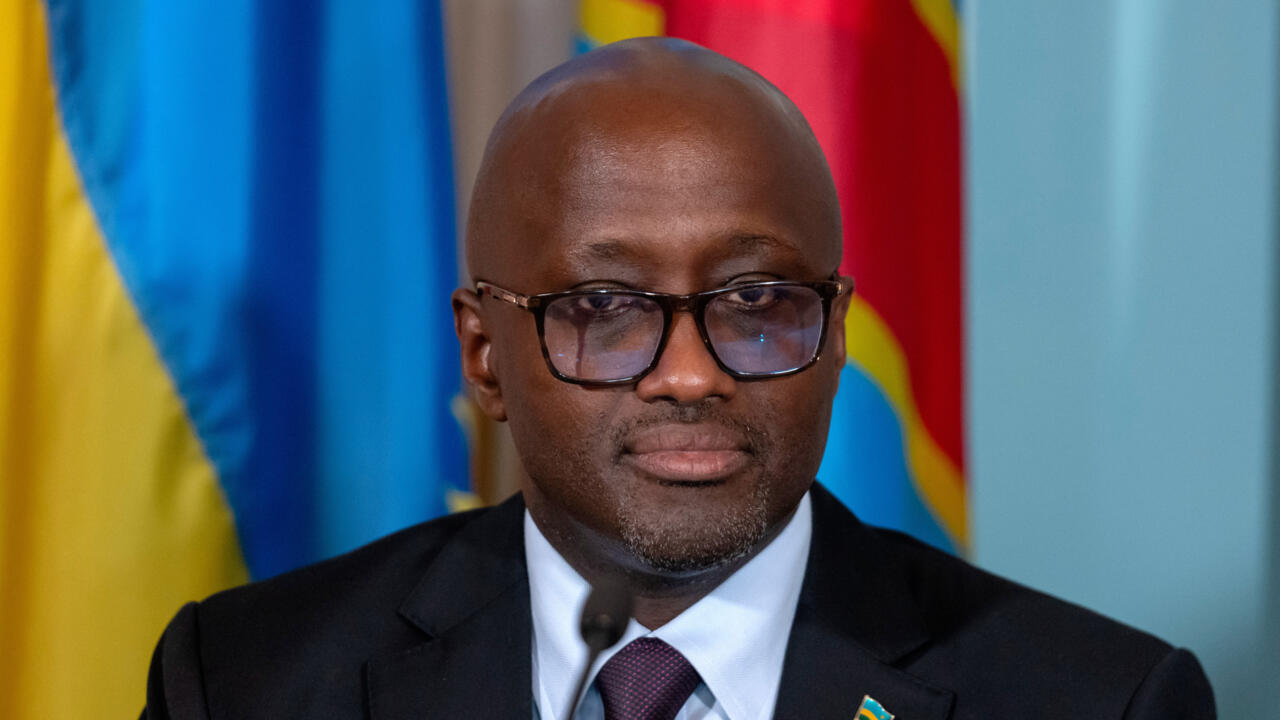
Photo caption: Rwandan Foreign Minister Olivier Nduhungirehe at a peace ceremony between Rwanda and the DRC, Washington, June 27, 2025 [illustrative image].
