New president takes helm at Senegal’s constitutional council
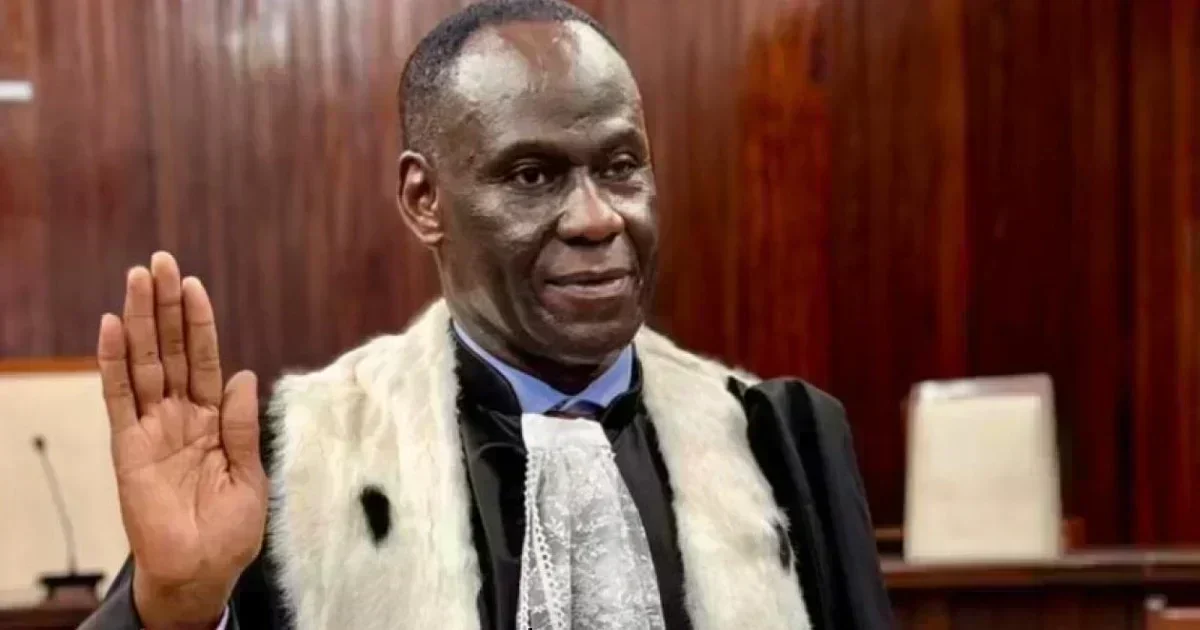
This Tuesday, August 11, 2026, marked a pivotal moment for Senegal’s judicial landscape as magistrate Ousmane Diagne was formally sworn in as the new president of the Constitutional Council during a solemn ceremony.
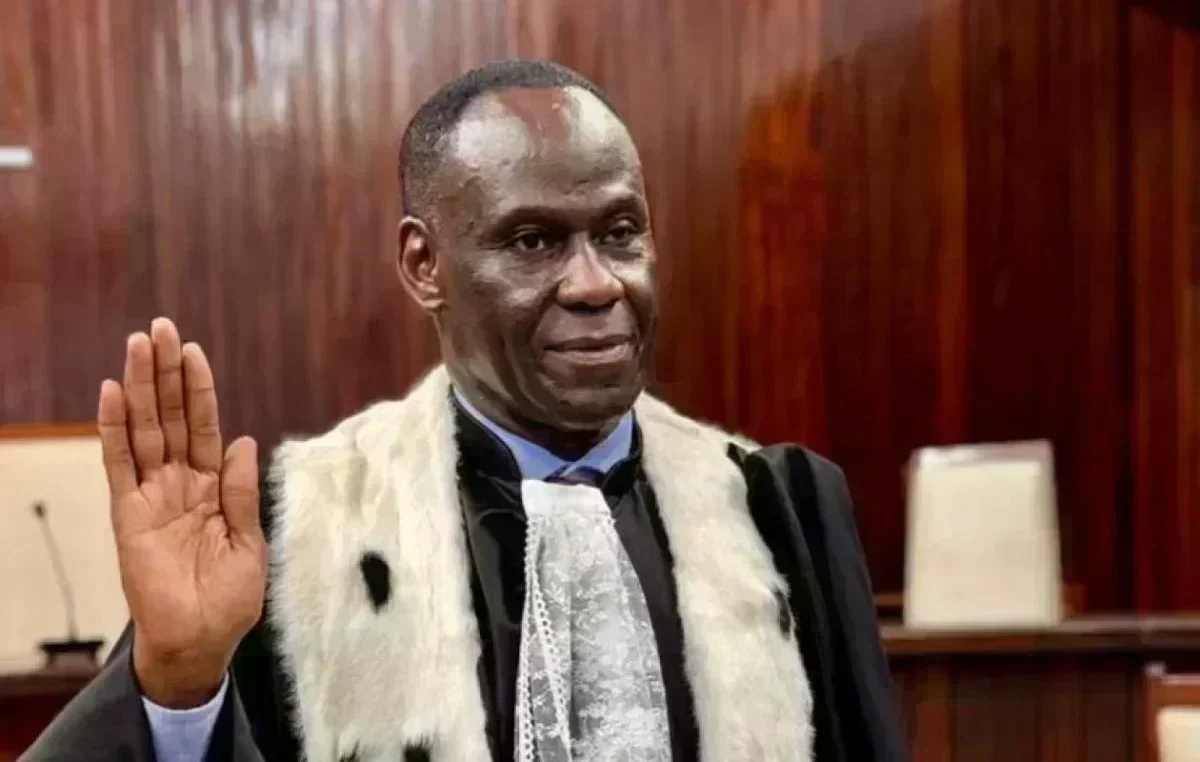
The appointment of Ousmane Diagne, effective July 13, 2026, follows a year-long vacancy prompted by the April 10, 2025 passing of his predecessor, Mamadou Badio Camara, in Dakar. The decree, signed by President Bassirou Diomaye Faye, underscores the nation’s commitment to constitutional stability and judicial continuity.
From courtrooms to the constitutional helm
With an illustrious career spanning decades, Ousmane Diagne brings extensive experience to his new role. His judicial journey includes serving as Prosecutor General of the Dakar Court of Appeal, First Advocate General at the Supreme Court, and Public Prosecutor. Prior to this appointment, he held the position of Minister of Justice and Keeper of the Seals in the inaugural government led by Ousmane Sonko, where he played a key role in shaping legal reforms.
The selection of Ousmane Diagne aligns with the legal framework governing the Constitutional Council, which mandates that the president must either be a senior magistrate with prior experience as a First President or Prosecutor General of the Supreme Court, a Chamber President, a tenured law professor, a State Inspector General, or a senior lawyer with at least 20 years of practice.
Defender of the constitution and electoral integrity
The Constitutional Council, now led by Ousmane Diagne, holds a critical mandate in Senegal. Its responsibilities include upholding constitutional principles, reviewing the legality of proposed legislation, and ensuring the transparency and fairness of electoral processes. Under his leadership, the institution is poised to reinforce its reputation as a guardian of democratic values and institutional integrity.
The transition marks a significant step in Senegal’s judicial evolution, reflecting both the nation’s dedication to constitutional governance and the enduring legacy of its legal institutions.
