New bilateral treaty to reshape Morocco-France relations
Morocco-France treaty: reshaping a historic partnership

France is actively pursuing a groundbreaking bilateral treaty with Morocco, aiming to establish a robust, long-term framework for their evolving partnership. This initiative reflects a shared commitment to modernize cooperation across critical domains and align with future geopolitical realities.
France and Morocco forge ahead with landmark bilateral agreement
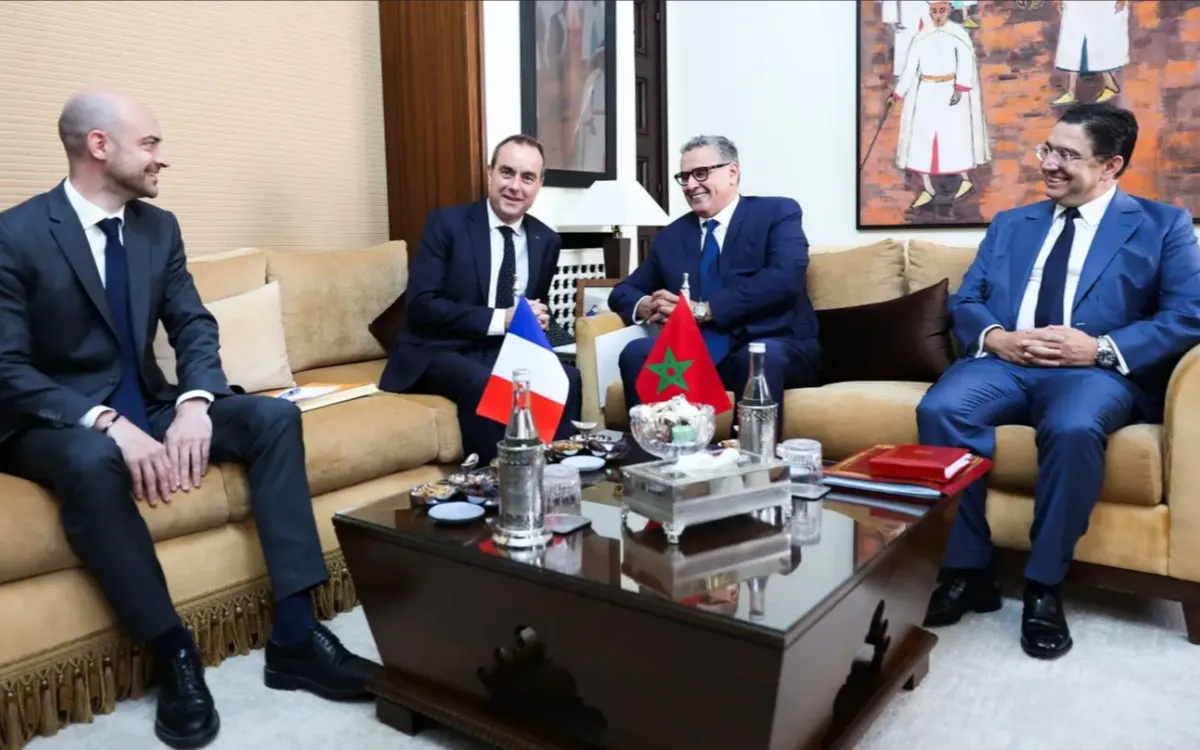
French Prime Minister Sébastien Lecornu unveiled this strategic initiative during a press conference in Rabat on July 16, following the 15th Franco-Moroccan High-Level Meeting. Leading a delegation of twelve ministers, he engaged with Moroccan counterparts to advance joint priorities.
“We are committed to developing a bilateral treaty with Morocco, marking France’s first such agreement with a non-European nation,” Lecornu stated in remarks published by French authorities. A dedicated binational committee is currently drafting the document, which is designed not merely as a symbolic gesture but as a dynamic, forward-looking instrument.
A treaty poised to elevate bilateral ties
This initiative builds on the momentum of French President Emmanuel Macron’s state visit to Morocco in October 2024. Both governments are now focused on translating prior commitments into actionable projects and expanding collaboration in key sectors.
The treaty aims to deepen cooperation in industries such as energy, defense, agriculture, and higher education, while also prioritizing enhanced mobility for entrepreneurs and students. Strengthening bilateral ties in these areas is central to the agreement’s vision.
Lecornu also highlighted ongoing collaboration between Moroccan and French authorities in combating terrorism, drug trafficking, human trafficking, and irregular migration. A comprehensive security accord is expected to reinforce these joint efforts.
The French Prime Minister reaffirmed France’s unwavering stance on the Sahara issue, describing it as “inalienable” and emphasizing that this position will remain consistent in shaping future bilateral relations.
