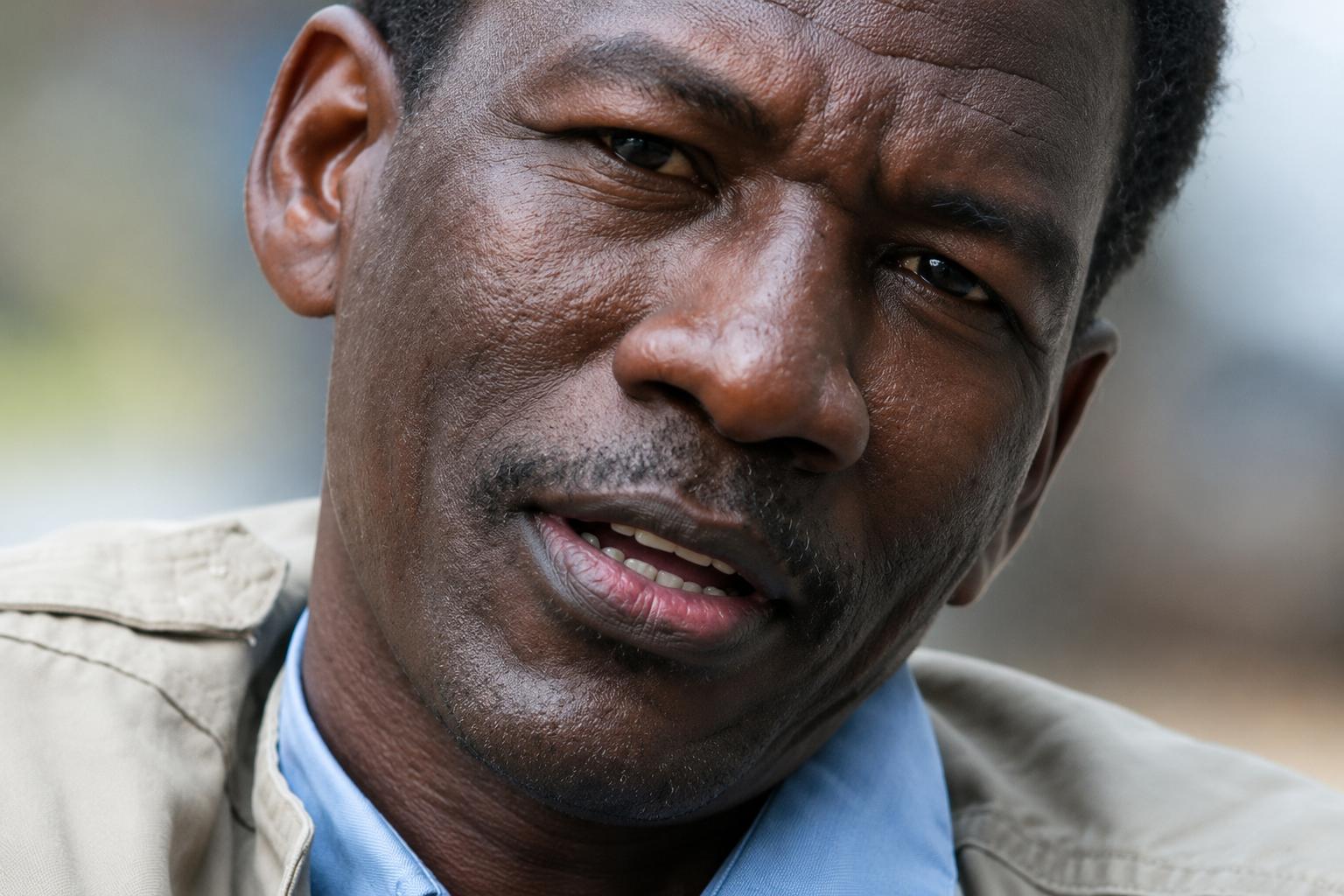
Moussa kaka kidnapping in Niamey: a targeted abduction amid growing repression
Journalist Moussa Kaka vanishes without a trace in Niamey
Moussa Kaka, a prominent journalist and director of Radio Télévision Saraounia, has been missing since August 31 in Niamey, Niger’s capital. The circumstances surrounding his disappearance point overwhelmingly to a deliberate abduction, rather than a mere accident or voluntary retreat.
A coordinated disappearance in a tightly controlled city
On the evening of his last known sighting, Moussa Kaka left his office at Radio Télévision Saraounia around 7 p.m., heading home. Since then, his vehicle has vanished, his phones remain unreachable, and no hospital in Niamey has recorded his admission. In a city under heavy surveillance, such a disappearance is not accidental—it is orchestrated.
Silence speaks volumes: the shadow of enforced disappearance
The absence of any claim of responsibility or official statement in the 72 hours since his abduction suggests a calculated move. Authorities have remained eerily silent, a tactic often used to gauge public and international reactions while delaying accountability. The lack of transparency reinforces suspicions of a state-sponsored or extrajudicial kidnapping.
Press freedom under siege: a familiar pattern of repression
Moussa Kaka’s abduction follows a troubling trend targeting independent voices in Niger. As a longtime correspondent for Radio France Internationale (RFI) and a fearless commentator on political affairs, he has long been a thorn in the side of those in power. His forced disappearance sends a clear message: dissent will not be tolerated.
Tensions rise as security crackdown intensifies
The kidnapping occurs amid escalating political tensions and a sweeping crackdown on dissenting opinions in Niamey. For journalists and activists, the message is unmistakable: the last bastions of free press are being systematically silenced. The timing and method of the abduction suggest a premeditated assault on press freedom.
Calls for accountability grow louder
While human rights organizations have raised alarms, the situation demands more than verbal condemnations. Every passing hour without news of Moussa Kaka’s whereabouts or condition places responsibility squarely on the shoulders of those in power. The international community and media professionals alike demand his immediate, unconditional release.
What’s next for Niger’s embattled press?
The disappearance of Moussa Kaka is not just a personal tragedy—it is a direct attack on the very foundations of journalism in Niger. As the search continues, the question remains: how many more voices will be silenced before the world intervenes?
