Morocco’s PJD and al adl wal ihsane clash over election relevance

Morocco’s Islamist parties lock horns over election significance
The political landscape in Morocco is witnessing a fresh bout of tension as two prominent Islamist factions, the Justice and Development Party (PJD) and Al Adl Wal Ihsane, engage in a heated debate over the role and relevance of elections in the country’s governance.
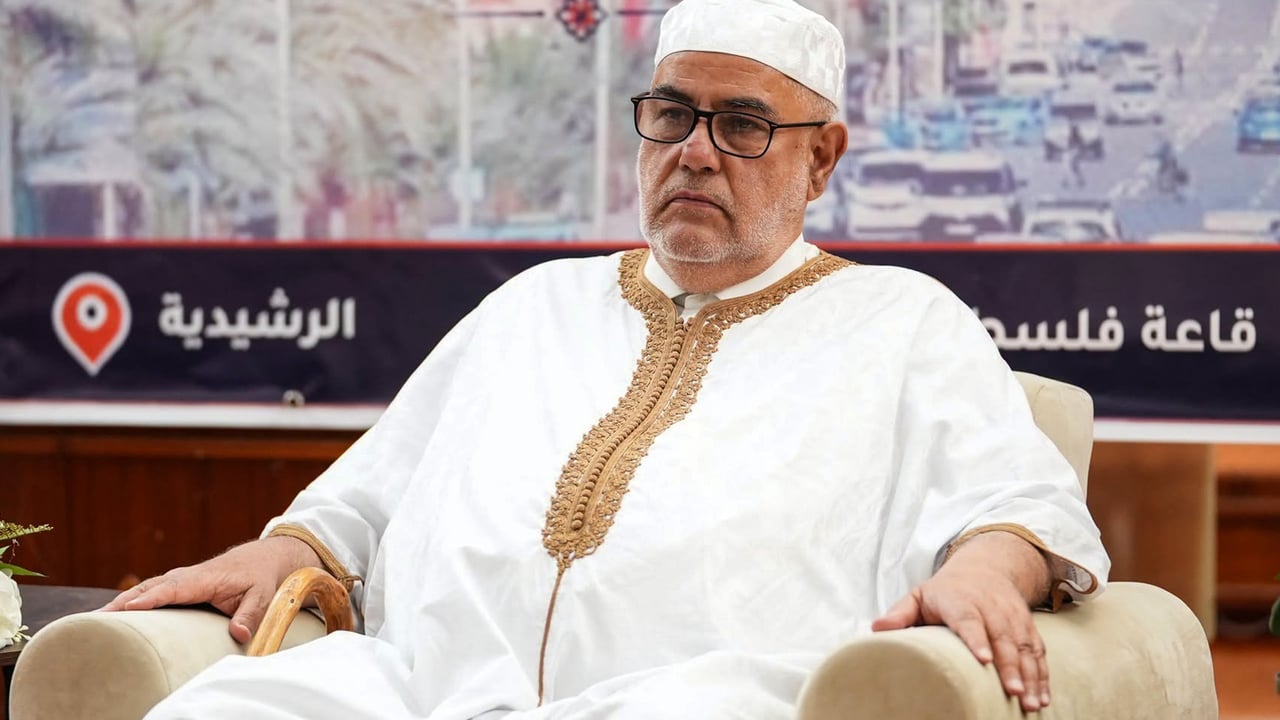
Abdelilah Benkirane, the outspoken secretary-general of the PJD, has once again taken center stage, challenging the stance of Al Adl Wal Ihsane, a movement known for its rejectionist approach toward electoral participation. The latest exchanges highlight deep ideological divides within Morocco’s Islamist political spectrum.
Elections as a tool versus a distraction
The PJD, which has played a key role in Morocco’s political scene for decades, argues that elections remain a vital mechanism for effecting change within the system. Benkirane contends that participating in elections allows parties to influence policy, shape public discourse, and hold authorities accountable. His position underscores the belief that political engagement through ballots can drive meaningful reforms, even within a constitutional monarchy like Morocco.
In stark contrast, Al Adl Wal Ihsane maintains a firm stance against electoral participation, viewing elections as a tool that legitimizes systems they deem incompatible with Islamic values. The movement’s leadership has consistently criticized the electoral process, arguing that it merely perpetuates the status quo without addressing deeper societal grievances. This ideological rift has only widened in recent months, prompting renewed public exchanges between the two sides.
Public reactions and political implications
The clash between the two factions has sparked discussions among political observers and citizens alike. Supporters of the PJD argue that disengagement from elections weakens the party’s ability to advocate for its base, while critics of Al Adl Wal Ihsane‘s approach suggest that its refusal to participate undermines its influence in shaping national policies. Meanwhile, the broader public remains divided, with some praising the principled stance of Al Adl Wal Ihsane and others advocating for pragmatic engagement through electoral channels.
The debate also raises questions about the future of Islamist politics in Morocco. As the country navigates its evolving political landscape, the ideological standoff between the PJD and Al Adl Wal Ihsane could redefine the role of Islamist movements in the nation’s governance. Whether this confrontation will lead to a reevaluation of strategies or further entrench existing positions remains to be seen.
For now, the exchange of arguments between Benkirane and Al Adl Wal Ihsane‘s leadership serves as a reminder of the complexities inherent in Morocco’s political arena, where faith, ideology, and governance intersect in ways that continue to shape the nation’s future.
