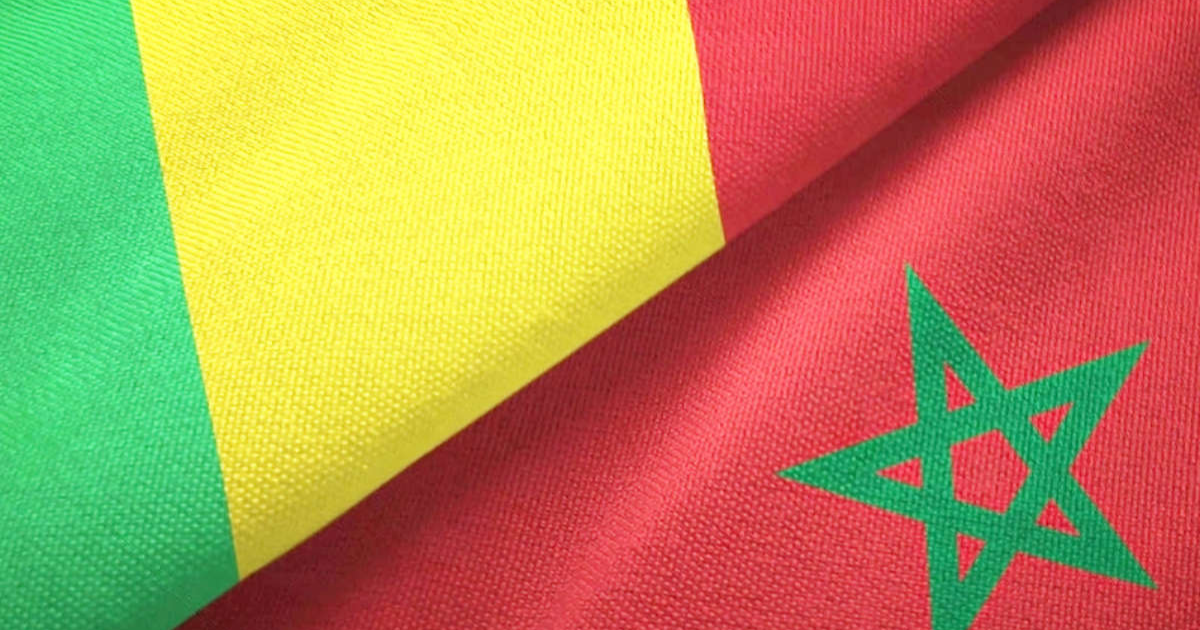
Morocco plays key role in french spy release in Mali
Diplomatic circles in Bamako have revealed how Morocco emerged as the linchpin in a discreet yet high-stakes mediation that secured the release of a French intelligence officer detained in Mali. The case of Yann Vézilier, a French national working for the DGSE, underscores Rabat’s growing influence in resolving sensitive regional disputes.
Behind the diplomatic breakthrough
Yann Vézilier, a 38-year-old French national, had been held in Mali since August 2025 after being convicted of endangering state security. A Malian court sentenced him to 20 years in prison on June 5, 2026, following accusations of involvement in an alleged plot to destabilize the country. His unexpected release on August 13, 2026, came as a surprise to many observers, sparking speculation about the forces at play behind the scenes.
According to a statement from Malian authorities, the release was made possible through the “good offices” of a “brotherly nation.” While unnamed in official communications, diplomatic sources confirm this refers to Morocco. The North African kingdom facilitated discreet negotiations between French and Malian officials, bridging gaps that had long strained Franco-Malian relations.
Morocco’s rising diplomatic leverage in the Sahel
This successful mediation builds on a pattern of Morocco’s engagement in the Sahel, where it has cultivated trust with regional governments through targeted cooperation. Unlike other external actors struggling to establish meaningful dialogue in the region, Morocco’s approach combines security partnerships, economic initiatives, and sustained political engagement.
One notable precedent occurred in Burkina Faso in December 2024, when four French DGSE operatives were freed following Moroccan intervention. After failed diplomatic efforts elsewhere, France turned to Rabat, leveraging its established channels in Ouagadougou. The pattern suggests a deliberate strategy: Morocco positions itself as a reliable intermediary capable of navigating the region’s complex political landscape.
Why Bamako trusts Rabat
Morocco’s sustained presence in the Sahel—despite shifting political landscapes—has earned it a unique position among regional actors. Malian authorities have publicly acknowledged Rabat’s role, signaling a level of confidence rarely extended to external partners in such sensitive matters. This trust stems from Morocco’s non-interference policy, its longstanding diplomatic presence, and its willingness to engage without imposing conditions.
As geopolitical tensions rise across West Africa, Morocco’s ability to secure the release of a foreign intelligence officer highlights its role as a stabilizing force. The case of Yann Vézilier may well serve as a model for future negotiations, reinforcing Morocco’s reputation as a pragmatic and effective diplomatic partner in the Sahel.
