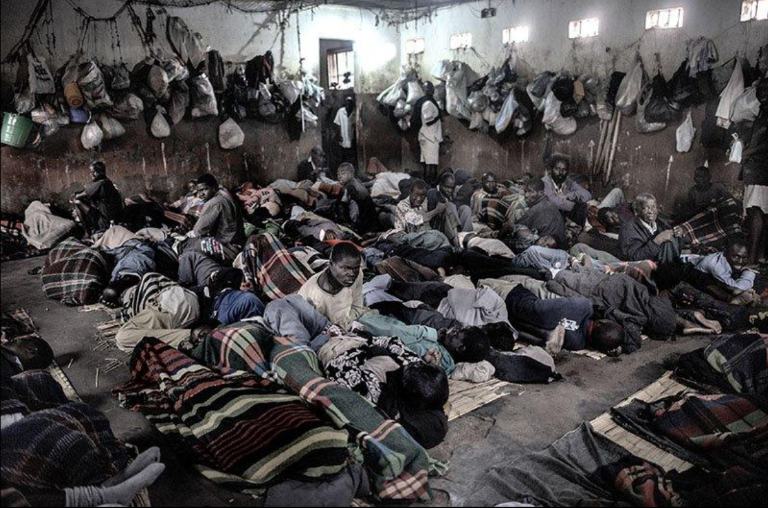
Minna detention tragedy: 33 lives lost in 12 square metres, Africa’s prison crisis deepens
Tragedy in Minna: A 12 square metre cell claims 33 lives
Thirty-three detainees, including fourteen children, died in a 12 square metre cell in Nigeria’s Minna, exposing systemic failures in Africa’s prison systems.
The incident occurred between September 16 and 17, 2026, at a facility operated by the Nigeria Security and Civil Defence Corps (NSCDC). Nearly 50 detainees were crammed into a space designed to hold far fewer, leading to catastrophic consequences. The tragedy has reignited debates over prison overcrowding and the humanitarian costs of Africa’s detention crisis.
Conditions of detention: A recipe for disaster
An independent commission’s report, released on October 27, attributed the deaths to extreme overcrowding, inadequate ventilation, excessive heat, dehydration, and a failure of oversight. Detainees lacked access to clean water and functional sanitation facilities. Survivors recounted harrowing accounts of resorting to drinking urine or sweat to survive.
The report described conditions as cruel, inhuman, and degrading. Disturbingly, guards reportedly ignored desperate pleas for help for hours as inmates suffocated. The commission concluded that the deaths were entirely preventable.
Official findings: 33 deaths, 41 survivors
The initial reports of 37 deaths were revised downward to 33 fatalities, including 14 minors, with 41 survivors. The investigation also uncovered serious irregularities in arrests and detention procedures. Children were reportedly held alongside adults, violating protections for minors. Some detainees were held without due process.
The commission recommended sanctions for negligent officials, legal action where warranted, and compensation for victims’ families and survivors.
Africa’s prison crisis: A widespread emergency
This tragedy is not an isolated incident but a symptom of a continent-wide crisis. According to the 2025 Prison Matters report by the UN Office on Drugs and Crime (UNODC), about 90% of African countries with available data operate prisons beyond official capacity. Globally, over 60% of nations face similar overcrowding issues.
Key drivers include inadequate infrastructure, outdated facilities, limited resources, and excessive use of pretrial detention. In 2023, 37% of Africa’s incarcerated population were awaiting trial, according to UNODC data. Many were presumed innocent but detained in conditions that violated fundamental rights.
Judicial delays fuel the crisis
Slow judicial processes, understaffed courts, and limited access to legal defense contribute to prison congestion. Excessive reliance on preventive detention exacerbates the strain. These systemic flaws transform detention into a punishment beyond the sentence itself.
Call for urgent reforms
Prisons must not become death traps. African governments are urged to implement meaningful reforms, including:
- Accelerating case processing and reducing pretrial detention
- Expanding legal aid and alternatives to incarceration
- Improving prison infrastructure and sanitation
- Enforcing separation of minors from adults
- Training staff and establishing independent oversight
The UN Nelson Mandela Rules stress that all detainees must be treated with dignity and respect. Compliance with these standards is non-negotiable.
Accountability and the path forward
The Minna tragedy demands more than symbolic accountability. It requires systemic change across Africa’s justice systems. When detention becomes a death sentence, the legitimacy of entire institutions is called into question. Governments must prioritise human dignity over punitive excess. Only then can Africa begin to address its detention crisis.
