Massacres in central Mali linked to army and allied militias
New evidence points to coordinated attacks by state forces and allied militias
Residents of two villages in Mali’s central Ségou region endured coordinated violence on October 2nd and 13th, when soldiers and allied dozos militias stormed their homes, executed civilians, and set fire to dwellings. The assaults resulted in at least 31 deaths and widespread destruction, according to local testimonies and investigations conducted after the events.
Ségou villages targeted in coordinated assaults
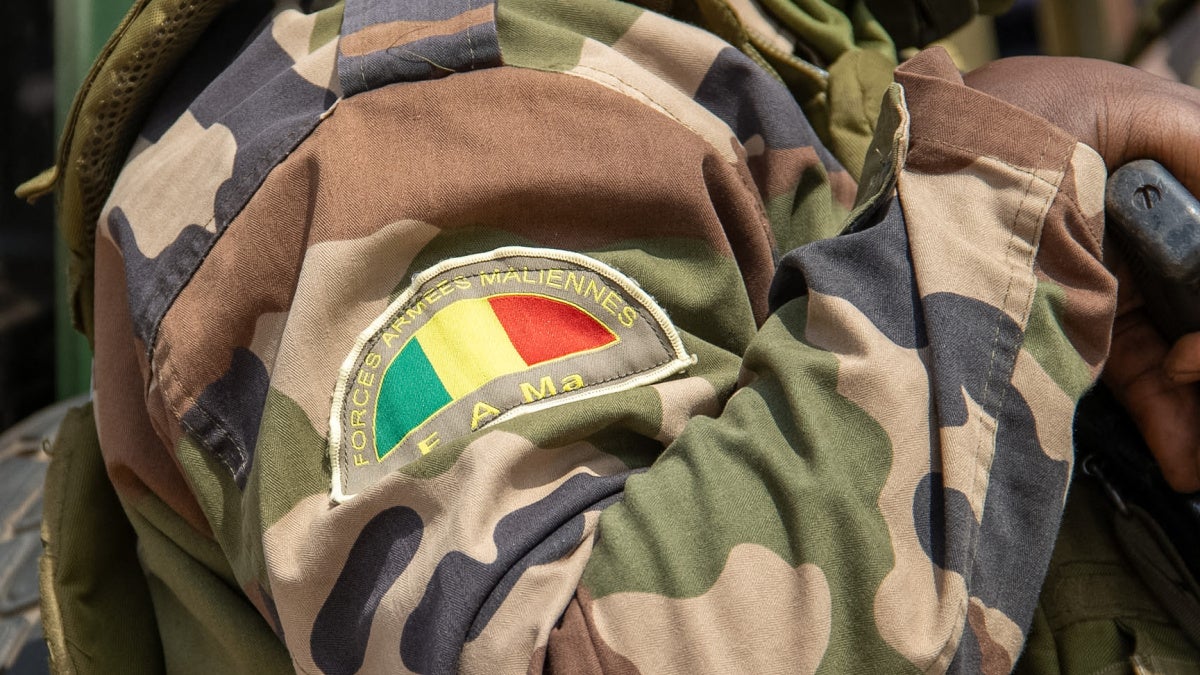
On October 2nd, soldiers in camouflage uniforms, accompanied by dozos militiamen—traditionally clad in amulets and identifiable by their attire—arrived in pick-up trucks and armored vehicles to search Kamona village. Locals reported that armed groups had warned residents of the approaching forces, prompting many to flee. Those who remained were rounded up and executed, according to survivors.
A survivor described the scene: “Those who couldn’t escape were gathered and shot. The attackers left 17 bodies under a tree in the village, with four more found scattered north of Kamona.” The victims were all men aged 20 to 65, their bodies riddled with gunfire. Houses belonging to Fulani ethnic groups were set ablaze, destroying at least 13 structures.
Witnesses later buried the dead in two mass graves. A 39-year-old man recounted: “We dug a pit under the tree and placed the 17 men inside. Four more bodies were found further north, all shot in the head and stomach, so we buried them in another grave and covered them with sand.”
Second village hit days later
October 13th saw a similar pattern unfold in Balle, 55 kilometers from Kamona. Soldiers in five pick-ups and at least 30 dozos on motorcycles descended on the village, triggering panic among residents. A 24-year-old man recalled: “I didn’t flee immediately, but when I saw soldiers going door-to-door and assaulting men, I hid. From my hiding place, I heard gunshots.”
The attack left 10 civilians dead, including a 55-year-old woman, and resulted in the theft of over 100 cattle. A 33-year-old witness described finding the bodies: “They lay side by side, riddled with bullets. Some had broken limbs.” The woman’s daughter, aged 21, shared her account: “She confronted the soldiers, accusing them of mistreating villagers. They dragged her to where the men were gathered and shot her.”
Military denies involvement while locals face dire consequences
In a statement issued on October 14th, Mali’s Chief of Staff claimed soldiers had conducted an “offensive reconnaissance” near Balle, resulting in the “neutralization of about twenty terrorists” and the seizure of military equipment. However, residents disputed the claim, stating that the village had been under the control of armed Islamist groups for years. “We pay zakat to them yearly. Any disputes are settled by the jihadists. There are no soldiers, gendarmes, or police here,” one man explained. “The army doesn’t distinguish between us and them.”
The escalation follows recent attacks by the Group for the Support of Islam and Muslims (GSIM), including a strike on the Siribala sugar factory in August. Analysts suggest the military’s response may be a retaliatory measure, though civilians bear the brunt of the violence.
Calls for accountability amid ongoing conflict
Since 2012, Mali has grappled with armed Islamist groups, leading to thousands of civilian deaths and displacing over 400,000 people. Both state forces and allied militias have been implicated in grave abuses, alongside atrocities committed by armed groups. International humanitarian law prohibits attacks on civilians, murder, cruel treatment, and torture, with perpetrators facing potential prosecution for war crimes.
Despite Mali’s withdrawal from the International Criminal Court (ICC) in September, the country remains subject to the Court’s jurisdiction until September 2026. The ICC opened an investigation in 2013 into alleged war crimes committed in Mali since 2012. Meanwhile, the African Union has faced criticism for its limited response to the worsening crisis, with calls for stronger diplomatic and regional coordination to hold all parties accountable.
