Massacre of civilians in central Mali by army and allied militias
Army and allied militias responsible for deadly raids in Ségou region
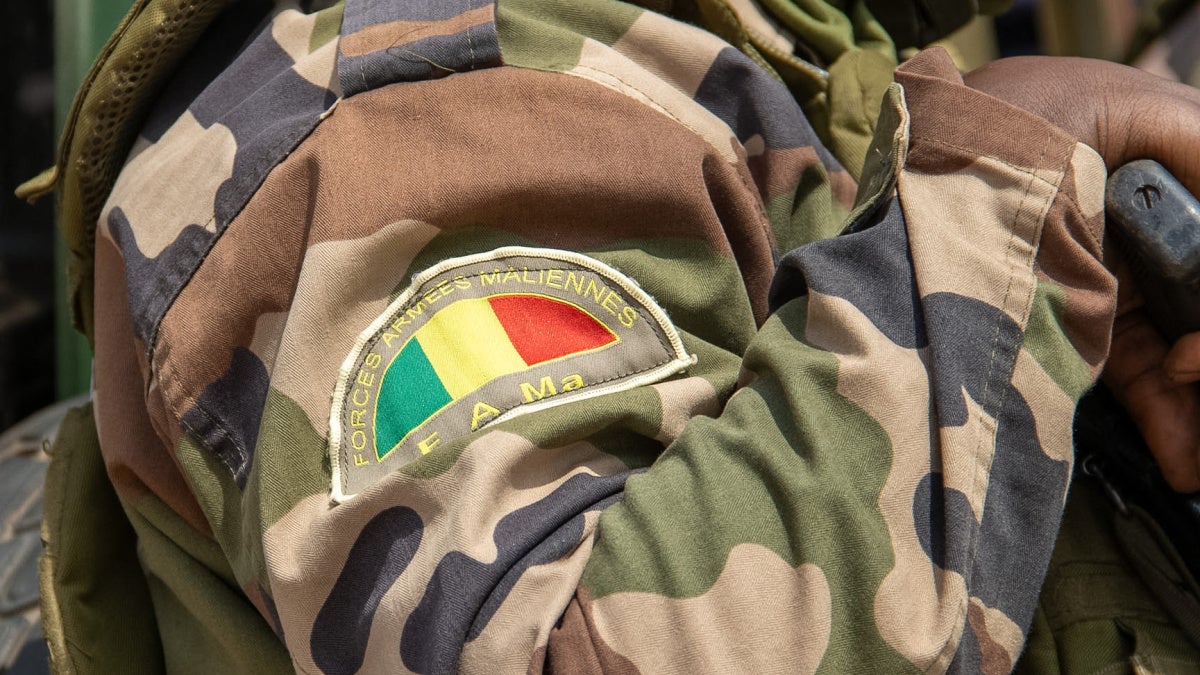
In the heart of Mali’s conflict-ridden center, a series of brutal attacks has left at least 31 civilians dead and homes reduced to ashes. According to local testimonies, soldiers from the Malian Armed Forces (FAMA) and allied dozos militias stormed two villages in the Ségou region on October 2 and 13, executing unarmed villagers and torching homes.
On October 2, armed forces and dozos militiamen descended on Kamona, a village under the influence of the Group for the Support of Islam and Muslims (JNIM), an Al-Qaeda-linked faction. They executed at least 21 men and set fire to over 10 homes. Witnesses reported that soldiers and militiamen rounded up unarmed civilians, accusing them of collaborating with JNIM, before executing them. No clashes were reported between the attackers and armed groups.
Survivors described a scene of indiscriminate violence. One man recounted finding 17 bodies under a tree, all men aged 20 to 65, with severe gunshot wounds. Four additional bodies were found north of the village, buried in a shallow grave. The attackers, identifiable by their camouflage uniforms and traditional dozo amulets, targeted individuals based solely on their ethnicity and perceived ties to armed groups.
Balle massacre: 10 more lives lost
Thirteen days later, the same forces struck Balle, another village under JNIM control. Soldiers in five pickup trucks and at least 30 dozos on motorcycles descended on the village at midday, forcing many residents to flee. Those who remained faced brutal treatment. A 24-year-old man recalled hearing gunfire as soldiers and militiamen went door-to-door, assaulting and executing civilians. In total, 10 people—including a 55-year-old woman—were killed, and over 100 cattle were stolen.
One survivor described finding the bodies of ten civilians lying in the village center, their limbs broken and bodies riddled with bullets. The attackers showed no mercy, even targeting a woman who confronted them about the abuse. Her 21-year-old daughter witnessed her mother’s execution after she was dragged away and shot.
Military denies responsibility, villagers pay the price
The Malian military issued a statement claiming its October 13 operation in Balle was a “defensive reconnaissance mission” that resulted in the “neutralization of around twenty terrorists” and the seizure of military equipment. However, residents refuted these claims, stating that Balle has been under JNIM control for years, with the group resolving disputes and collecting taxes without interference from state forces.
“We pay zakat to them every year,” said one villager. “If there are disputes, the jihadists settle them. There are no soldiers, gendarmes, or police here. The army makes no distinction between them and us.”
Since 2012, Mali has been embroiled in a brutal conflict with armed Islamist groups, leading to thousands of civilian deaths and displacing over 400,000 people. Both state forces and armed groups have been implicated in grave abuses, including extrajudicial killings, torture, and destruction of property. The recent escalation in Ségou coincides with JNIM’s siege of Bamako, which has cut off fuel supplies to the capital and forced the military junta to temporarily shut down schools and universities.
Accountability remains elusive
International humanitarian law prohibits attacks on civilians, torture, and executions during armed conflicts. Those responsible for such violations may face prosecution for war crimes. While Mali withdrew from the International Criminal Court (ICC) in September, it remains a party to the Rome Statute until 2026, allowing the ICC to investigate alleged war crimes committed since 2012.
The African Union (AU) has faced criticism for its lackluster response to the crisis. Despite its mandate to promote peace and security, the AU’s Peace and Security Council has limited itself to issuing statements expressing concern, failing to take concrete action to hold perpetrators accountable.
As the cycle of violence continues unabated, calls for justice grow louder. Survivors and human rights advocates demand credible investigations and fair trials for those responsible. Without accountability, the bloodshed in central Mali shows no signs of stopping.
