Mali’s shifting sands as Russia’s Africa corps gains ground
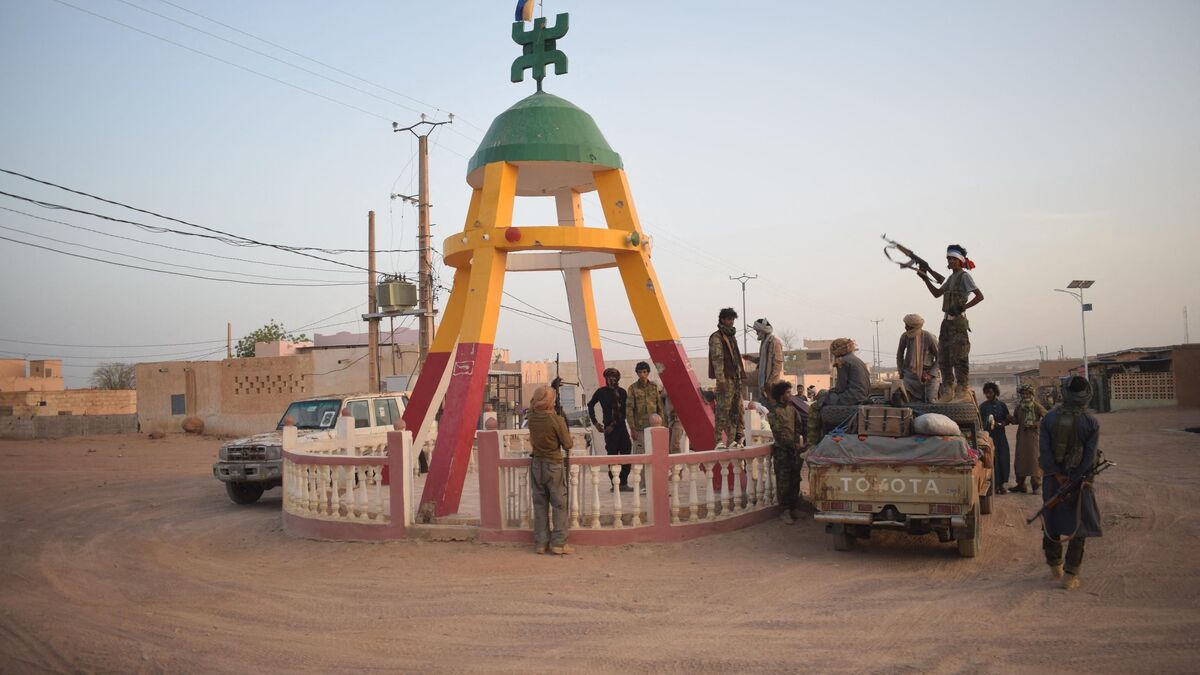
Africa Corps, the shadowy military arm of Moscow, has reshaped the security landscape in Mali and beyond. This weekend marked a turning point when rebels reclaimed Kidal, a strategic stronghold held by the Russian paramilitary group for years. The retreat signals both a tactical shift and Moscow’s enduring influence in the Sahel.
The collapse of Wagner’s dominance in 2023 left a power vacuum Moscow was quick to fill. Africa Corps, formally established in late 2023, has since embedded itself across West Africa, from Mali to the Central African Republic. Unlike its predecessor, this force operates with a lower profile—though its footprint remains unmistakable.
Origins of a shadow army
The group’s creation was first hinted at by Russian military blogger Deux Majors, citing Kremlin-aligned analyst Igor Korotchenko and Younous-Bek Evkurov, Russia’s Deputy Defense Minister. While Wagner’s founders, Evgueni Prigojine and Dmitri Outkine, perished in a 2023 plane crash amid their failed mutiny against Vladimir Poutine, Africa Corps rose under direct state supervision.
Africa Corps draws its name from the historic Afrikakorps, the Nazi-aligned force deployed in North Africa during World War II. Its mission, however, is framed in anti-colonial terms: liberating African nations from Western influence, securing sovereign control over resources, and dismantling foreign military presence.
Strategic goals and regional reach
Igor Korotchenko has publicly outlined the group’s objectives: large-scale military operations to assist allied governments in severing colonial ties, ejecting Western powers, and asserting full autonomy. In practice, this translates to propping up juntas, securing mineral-rich territories, and tightening Moscow’s grip on migration routes.
Africa Corps has already supplanted Wagner in Mali, deploying thousands of fighters to bolster the junta in Bamako. Its influence now stretches into Burkina Faso, Libya, Sudan, the Central African Republic, and Niger. While less overtly violent than Wagner—avoiding the latter’s notorious human rights abuses—it still faces international scrutiny. In 2024, the United Kingdom sanctioned the group for alleged mass rights violations and resource exploitation across the continent.
The group’s strategy hinges on partnerships with compliant regimes. By providing troops, arms, and logistical support, Africa Corps embeds itself into local power structures, ensuring long-term influence. Yet its retreat from Kidal underscores the fragility of even Moscow’s most entrenched alliances in the Sahel.
Mali at the crossroads
The fall of Kidal marks a critical juncture for Mali’s junta. With Africa Corps’ grip loosening, rebel forces—including Islamist factions and Tuareg separatists—are seizing the initiative. The loss of Defense Minister Sadio Camara in a weekend assault near Bamako further weakens the regime’s position.
For Russia, the stakes are high. Mali serves as a linchpin in Moscow’s Sahel strategy, offering access to uranium, gold, and geopolitical leverage against Western interests. As Africa Corps recalibrates its presence, the Kremlin faces a dilemma: double down on a faltering ally or recast its approach in a region where allegiances shift as swiftly as the desert winds.
