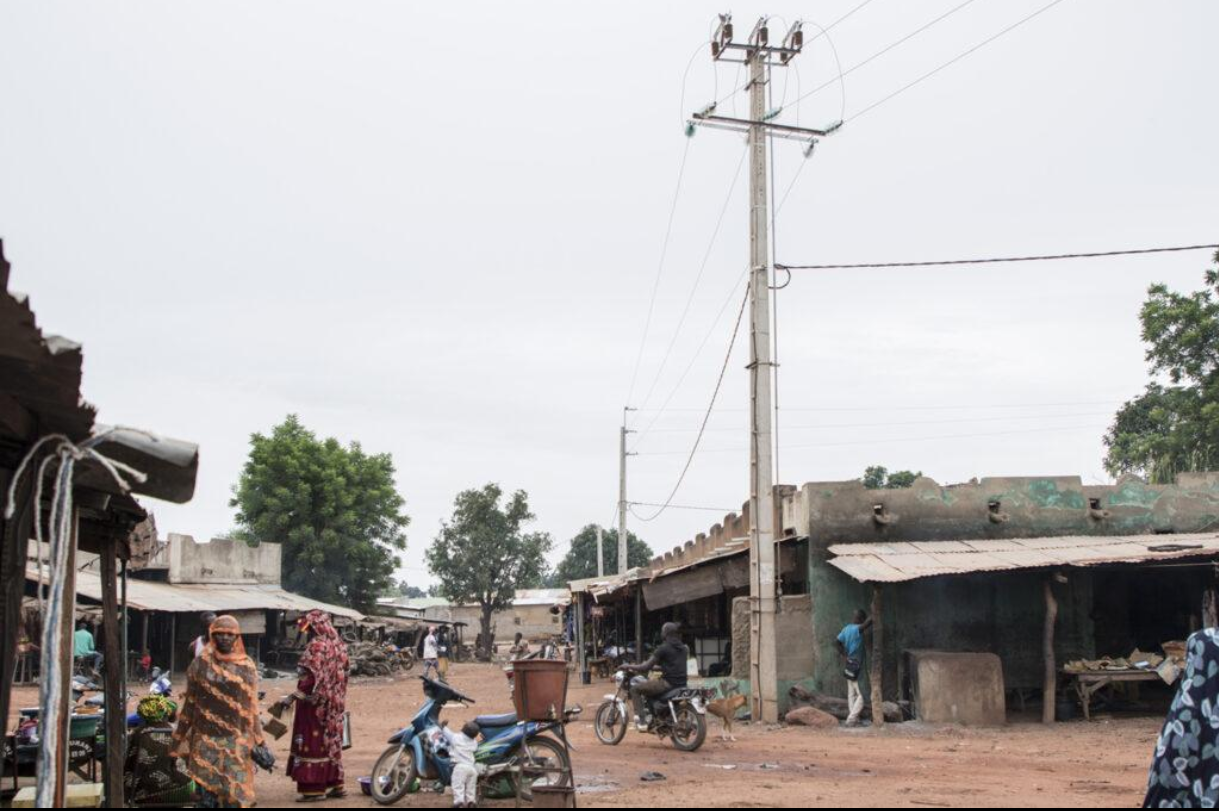
Mali’s rural electrification defies political split with ECOWAS
Despite Mali’s withdrawal from the Economic Community of West African States (ECOWAS), a landmark regional electrification project persists, delivering tangible benefits to the country’s population. This ongoing initiative underscores how critical infrastructure development can transcend political ruptures.
An Ongoing Initiative Despite Political Divisions
The ECOWAS Regional Electricity Access Project (ECOWAS-REAP), launched in 2019 with World Bank funding totaling $225 million, continues to connect underserved communities in Mali, Guinea-Bissau, and Gambia. Even after Mali’s exit from the regional bloc alongside Burkina Faso and Niger, the project remains operational, proving that development programs often outlast diplomatic disputes.
Data presented at a recent steering committee meeting revealed that the project has already connected 490 localities, improving electricity access for nearly 500,000 people across the three countries. Despite Mali’s political break from ECOWAS, the project’s coordination remains intact, with representatives from Mali’s energy sector still participating in regional oversight discussions.
Technical Cooperation Persists Beyond Political Tensions
The Malian government’s continued involvement in the project demonstrates a pragmatic approach to international cooperation. While the country has severed political ties with ECOWAS, its participation in ECOWAS-REAP highlights the prioritization of tangible outcomes over institutional alignments.
The $225 million funding, secured through the World Bank, is managed regionally by ECOWAS, but the project’s continuation does not imply a restoration of normal diplomatic relations. Instead, it reflects a commitment to fulfilling existing commitments that yield direct benefits for local populations.
Infrastructure Over Diplomacy: A Regional Priority
For Mali, the need for reliable electricity access remains urgent amid economic and security challenges. The project’s expansion into rural areas is seen as a catalyst for local development, economic activity, and essential social services. Ousmane Diarra, Director of Energy at Mali’s national utility company EDM-SA, emphasized the project’s impact on communities and called for a 30-month extension due to delays caused by security concerns and contractual hurdles.
Lessons in Sustainable Regional Collaboration
The ECOWAS-REAP initiative raises a pivotal question: Can regional development projects survive political fractures? The answer, as demonstrated in Mali, appears to be yes. The project’s survival hinges on the durability of infrastructure, financial commitments, and the unrelenting demand for essential services among the populace.
For ECOWAS, the challenge now lies in ensuring the long-term sustainability of these installations and supporting national electricity providers in their management. For Mali, the goal remains clear: advance electrification regardless of institutional alignments, proving that energy access is a universal necessity that transcends political divides.
Energy Access as a Non-Negotiable Priority
The Malian case exemplifies how development goals can take precedence over political friction. While diplomatic relations fluctuate, the practical needs of citizens—such as reliable electricity—remain a constant. This project stands as a testament to the resilience of cooperative efforts that prioritize people over politics.
