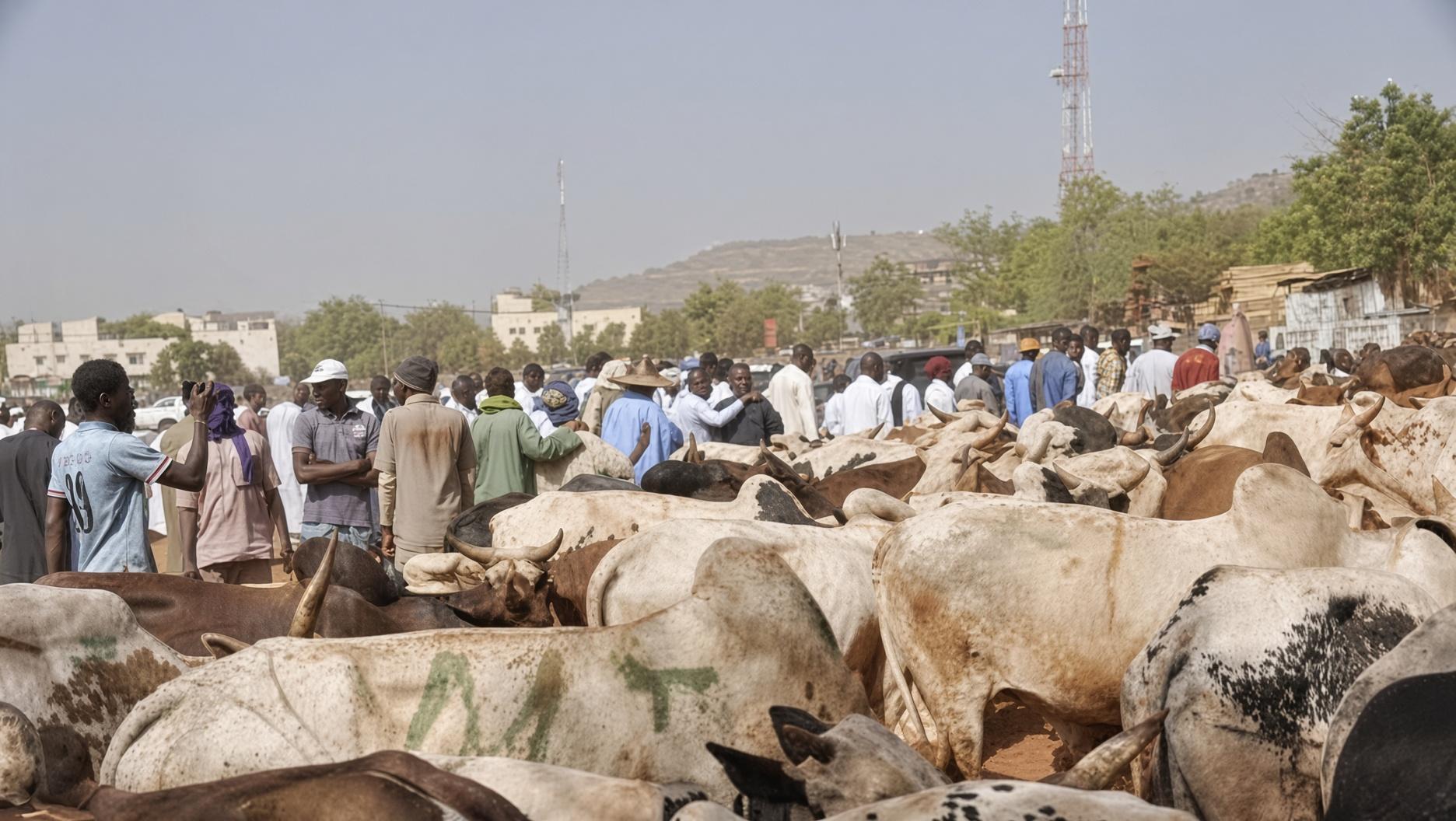
Mali’s livestock export ban: state interference sparks private sector crisis and price hikes
Government’s export ban triggers economic fallout for Mali’s private sector
Bamako’s sudden six-month ban on livestock exports—renewable—disrupts a critical economic sector. While officials cite meat price stabilization as justification, the move exposes deeper state failures to address root causes of inflation and supply chain disruptions.
How state intervention crushes Mali’s $150M livestock economy
The livestock industry contributes over 15% to Mali’s GDP and generates $150 million annually in export revenue. Yet, instead of addressing structural issues like feed costs, transportation racketing, and market disorganization, the government imposes a blanket export freeze. This coercive measure directly undermines private entrepreneurs—breeders, traders, and transporters—who rely on regional markets in Senegal, Côte d’Ivoire, and Guinea for survival.
The ban forces artificial stockpiling, collapses profit margins, and risks bankrupting thousands of small to mid-scale operators already grappling with soaring operational expenses. By restricting their ability to sell across borders, Bamako effectively confiscates their right to conduct business freely—a cornerstone of economic growth.
Why top-down price controls fail time and again
History shows that price controls and export bans only provide short-term political relief while deepening long-term crises. The current surge in meat prices stems from:
- Disrupted livestock markets due to administrative relocations
- Skyrocketing animal feed and transport costs
- Persistent insecurity and logistical extortion
Rather than removing these barriers, the government resorts to prohibition—a tactic that discourages investment in modern livestock farming. Why would a breeder expand production if tomorrow’s export ban could erase all revenue opportunities?
Regional trade collapse threatens investor confidence
Mali’s livestock exports are 99% routed to neighboring countries. The ban sends a damaging signal to regional partners and foreign investors: unpredictable policy shifts override predictable commerce. This erosion of legal and economic stability threatens future foreign direct investment and regional economic integration.
If Bamako truly seeks to stabilize meat prices, it must stop blaming private actors and instead focus on sustainable solutions: securing supply routes, lowering administrative fees, and promoting fair competition—rather than resorting to punitive measures that strangle the very sector it claims to protect.
