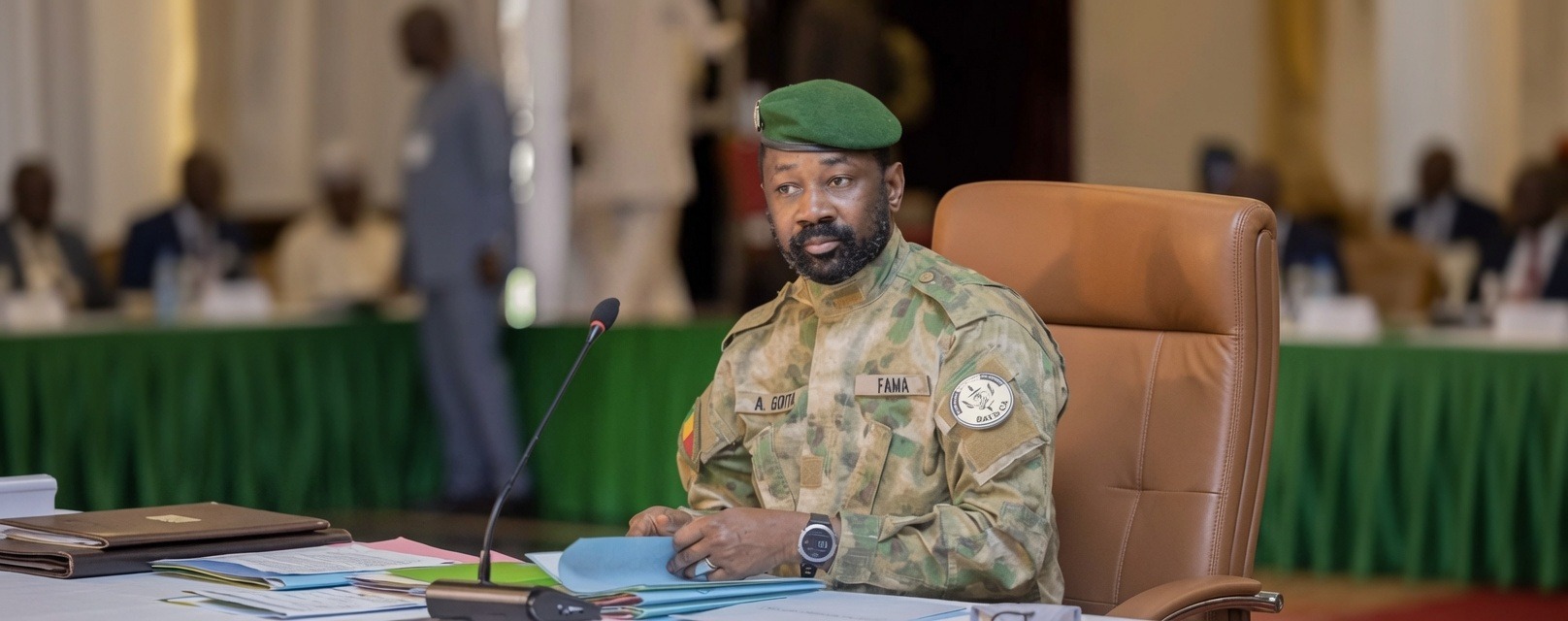
Mali’s leadership under scrutiny: how Assimi Goïta’s independence speech clashes with harsh realities
On the occasion of Mali’s independence anniversary, the transitional government led by General Assimi Goïta presented a speech brimming with optimism. It painted a picture of economic resurgence, military progress, and renewed sovereignty. Yet beneath the official rhetoric lies a stark contrast between declared achievements and the lived experiences of Malians across the country.
The gap between military prowess claims and violent insecurity
The presidential address hailed a “reorganized, equipped, and victorious” Malian army operating in harmony with allied forces of the Alliance of Sahel States (AES). However, the ground reality tells a different story.
Key inconsistencies in security gains:
- The narrative of control is sharply contradicted by recent major offensives by armed groups—such as the JNIM—particularly the devastating losses in Tinzawatène and attacks on critical military outposts like Dioura and Sévaré, exposing the army’s inability to protect vital routes and rural populations.
- While Goïta’s speech emphasized “regained sovereignty,” operational reliance on Russian-linked forces (formerly Wagner Group) has intensified, trading national autonomy for financial and mineral concessions that undermine the very idea of a unified republican army.
Economic growth claims vs. daily hardship for Malians
The government celebrated projected growth rates exceeding 5–6%, powered by internal resource mobilization and mining sector reforms. But far from the halls of Koulouba, most citizens face an entirely different economic climate.
Inflation and energy failures overshadowed statistics:
- Soaring prices for essential goods—rice, cooking oil, sugar—and fuel have erased any sense of prosperity promised by the numbers.
- Electricity supply remains erratic. Despite official talk of improvements, the national utility EDM-SA still enforces frequent blackouts, crippling informal businesses and local production across Bamako and beyond.
- Mining revenues touted as a national boon are increasingly diverted to pay for foreign security contractors, leaving little for public infrastructure or social programs.
Rhetoric of unity meets political repression and exclusion
Goïta reiterated calls for national unity and peace under the Charter for Peace. Yet the government’s actions reveal a widening chasm between words and reality.
Civic space under siege:
- Political opponents, journalists, human rights defenders, and civil society leaders face arrests, detentions, or intimidation for criticizing the transition’s handling of the crisis.
- The unilateral abandonment of historic peace agreements with northern factions has abandoned inclusive mediation in favor of a purely military approach, deepening divisions and fueling conflict cycles.
From political theater to real-world consequences
The President’s address reflected an administration more invested in self-congratulation than in addressing urgent needs. The disconnect is glaring: while official statements celebrate progress in air-conditioned chambers, Malians endure deepening insecurity, economic strain, and shrinking democratic freedoms. The promise of a new Mali—envisioned as “Malikura”—continues to fade against the unforgiving backdrop of daily suffering.
The result is not just a speech about the nation—it’s a portrait of a nation at odds with itself, where the gap between power and people has never felt so wide.
