Mali’s independence anniversary amid deepening security and economic strain
On September 22, 2026, Mali marked its 66th year of independence, but the occasion was far from celebratory. Instead of national festivities, the country faced intense security challenges and economic hardship, exposing the widening gap between official rhetoric and ground realities. The anniversary highlighted the stark contrast between the promise of sovereignty and the harsh conditions gripping the nation.
Why this independence celebration feels more like a survival test
The official narrative of a resilient Mali navigating its path to stability clashed with the grim security landscape. While authorities emphasized the progress of the Malian Armed Forces (FAMa) and the alleged strengthening of national defense, the reality painted a different picture. The country remains trapped in an escalating security crisis, with insurgent groups expanding their reach and government control slipping in key regions.
The shifting battleground: where security efforts fall short
Recent attacks by the Jama’at Nusrat al-Islam wal Muslimin (JNIM) coalition and local insurgents have exposed vulnerabilities in Mali’s defense strategy. High-profile assaults on strategic garrisons, including the deadly strikes near Dioura and Sévaré, underscore the fragility of the current security framework. Critical supply routes leading to Bamako face intermittent blockades, crippling inland trade and deepening economic distress across rural and urban areas alike.
Russia’s Wagner successors: a military gamble with uncertain outcomes
The presence of Russian paramilitary forces, now operating under the Africa Corps banner, was supposed to accelerate stabilization efforts. However, the strategy has devolved into a protracted and costly war of attrition. Reports of over 350 Russian combatant casualties since late 2026 alone, compounded by defeats like the Tinzawatène battle and persistent ambushes, reveal the inefficacy of this approach. The financial burden is staggering, siphoning billions of West African CFA francs monthly—funds that could otherwise bolster the national military’s operational capacity.
Living under siege: how economic collapse compounds national struggles
For ordinary Malians, independence day arrived amid soaring inflation and relentless power shortages, leaving businesses teetering and households struggling. Essential goods like rice, cooking oil, and sugar have become prohibitively expensive, while chronic electricity shortages disrupt daily life. The rupture with regional blocs like ECOWAS and the resulting diplomatic isolation have further strained foreign currency reserves, exacerbating shortages and economic stagnation.
The illusion of sovereignty: a nation caught between promises and realities
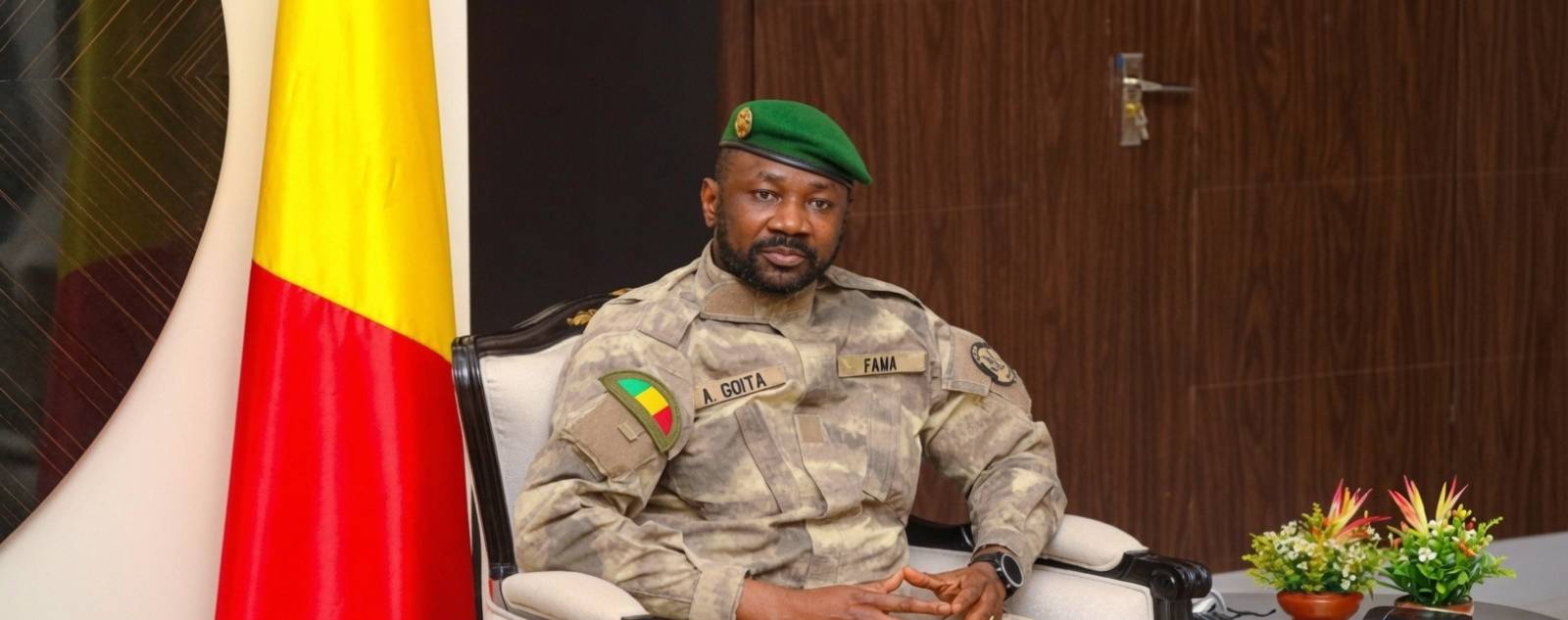
In his annual address, the transitional leader reaffirmed calls for unity and the defense of national sovereignty within the Sahel States Confederation (AES). Yet, skepticism is rife. The lofty vision of a ‘new Mali’ (*Mali Kura*) rings hollow for many, as the promise of lasting peace remains unfulfilled. Six decades after independence, Mali’s greatest challenge persists: restoring durable stability, reclaiming authority over its territory, and delivering economic prosperity free from the grip of private security contingents.
