Mali’s dual security doctrine: the calculations behind Goïta’s war-and-reconciliation address
Mali’s dual security doctrine: the calculations behind Goïta’s war-and-reconciliation address
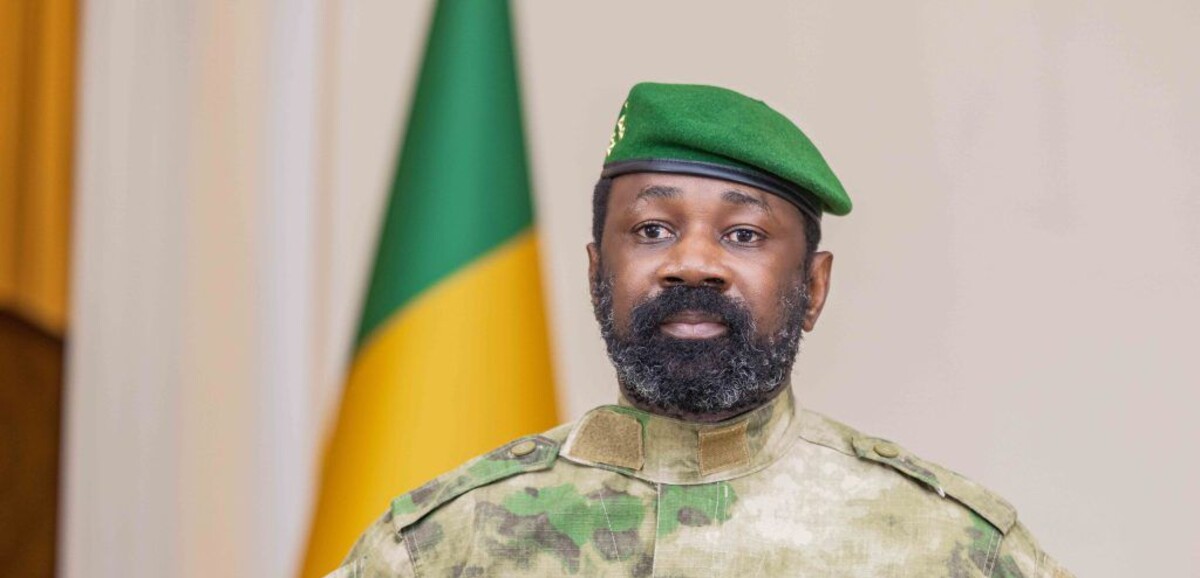
When General Assimi Goïta stepped before radio and television microphones on the eve of Mali’s 66th independence anniversary, the message he delivered was deliberately two-sided. The junta leader announced that military operations against armed jihadist groups would intensify, yet in the same breath extended an olive branch, calling for “reconciliation between Malian brothers.” The timing and the framing reveal a leadership navigating a battlefield that has turned increasingly costly, and a political landscape that demands both resolve and outreach.
Why the address landed now
In his evening broadcast, Goïta returned to themes that have become staples of his public appearances: territorial integrity, national unity, and a willingness to talk. “While remaining open to dialogue and reconciliation between Malian brothers, our firm will to defend the integrity of our territory and national unity remains intact,” he stated. The pledge to step up the fight was equally explicit. “In this context, the struggle against insecurity and armed terrorist groups will be strengthened further,” he added. The dual framing suggests a leadership aware that a purely military message no longer suffices, and that a purely political one would be read as weakness.
The Dioura shock and its aftermath
The speech did not emerge in a vacuum. It followed a string of assaults on Malian positions in recent weeks, the most devastating of which struck the Dioura camp in central Mali on 10 September. More than 100 Malian soldiers lost their lives in that attack, and dozens of others were taken prisoner. The JNIM, Al-Qaeda’s affiliate in the Sahel, was blamed or claimed responsibility for several of these operations. For an army that has been fighting jihadist groups for years, Dioura represented another painful setback, and it raised fresh questions about the military’s capacity to hold territory and protect its own bases.
Honoring the fallen while deepening foreign partnerships
Goïta used the occasion to pay tribute to soldiers killed in combat, praising their sacrifice in defense of the homeland. He also reaffirmed his intention to bolster the army’s capabilities, pointing to continued cooperation with Russia, which has become Bamako’s principal strategic partner since French forces and several Western allies withdrew from the country. The reference was a reminder that Mali’s security architecture has been reoriented eastward, a shift that carries its own risks and dependencies.
A celebration under pressure
Mali marked the 66th anniversary of its independence on Tuesday, 22 September, with ceremonies held against a backdrop of acute security tension. Jihadist groups continue to mount attacks on security forces and seek to expand their influence across several regions. The juxtaposition of national celebration and battlefield losses captures the central dilemma facing the junta: how to project confidence and sovereignty while managing a conflict that shows no sign of abating.
