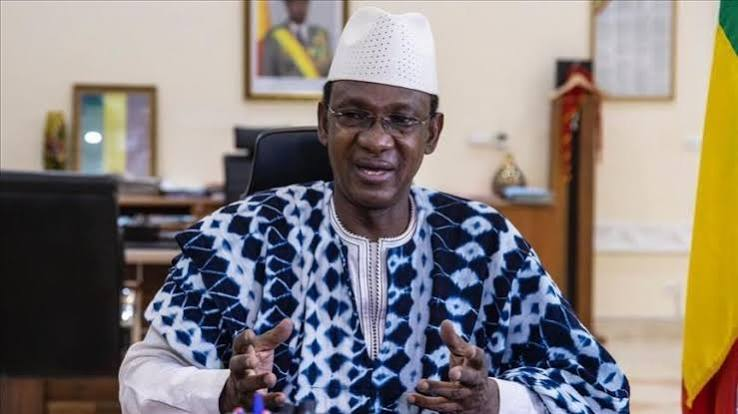
Mali’s 440-day detention of Choguel Maïga: a political purge disguised as justice
From vocal champion to silent prisoner: Choguel Maïga’s dramatic fall
Bamako — The number 440 now stands as a grim milestone in Mali’s troubled transition. For over 14 months, Choguel Kokalla Maïga has languished in pretrial detention, his voice silenced, his political career reduced to ashes. Once the junta’s most outspoken ideologue and a key architect of its narrative, Maïga’s imprisonment marks a brutal shift from power to detention.
From UN podium to prison cell: the collapse of a political icon
His days of thundering speeches at the United Nations, championing ‘reclaimed sovereignty’ and defending the military’s every move, are long gone. Choguel Maïga was no mere government figurehead — he was the junta’s ideological face, the bridge between military commanders and civilian stakeholders. His loyalty, once unquestioned, now counts for nothing in a system that tolerates no dissent.
His detention without trial is not just a legal anomaly; it is a political earthquake. The moment Maïga dared to voice even the slightest divergence from the official line, the machinery of suppression activated. His rapid fall from grace serves as a stark warning to anyone who once believed they could shape Mali’s future.
Detention as political weapon: how justice became a tool of control
440 days of pretrial detention without a verdict expose a judicial system weaponized against inconvenient voices. By stretching legal procedures to their limit, the regime has transformed the courts from institutions of fairness into instruments of indefinite punishment.
Three paradoxes highlight the true nature of this strategy:
- The justice of fait accompli: Official rhetoric claims to restore rule of law and end impunity, yet prolonged detentions reveal that arbitrary power remains the regime’s preferred method of silencing critics.
- The architect’s undoing: Maïga’s fate is particularly ironic. As a former prime minister, he helped legitimize and strengthen the very security and judicial structures that now hold him captive.
- A chilling message to politicians: His imprisonment sends a message to all who once served the regime: no past service guarantees safety if you stray from the official script.
The cost of silencing dissent: what Maïga’s detention reveals about Mali’s transition
By locking up a former head of government, Bamako is not just punishing one man — it is erasing a chapter of civilian ambition within the transition. The strategy is clear: eliminate potential rivals before they gain traction, even if it means betraying the very allies who once built the regime’s credibility.
This prolonged detention is not merely an individual tragedy. It is a symptom of a leadership trapped in a cycle of perpetual purge, consuming its own founders to maintain a facade of absolute control. In the eyes of both domestic and international observers, the regime now prefers the silence of prison cells to the unpredictability of open debate.
The message is unmistakable: in today’s Mali, dissent is not debated — it is buried.
