Mali security alert: alleged coup plot against goïta sparks regional tensions
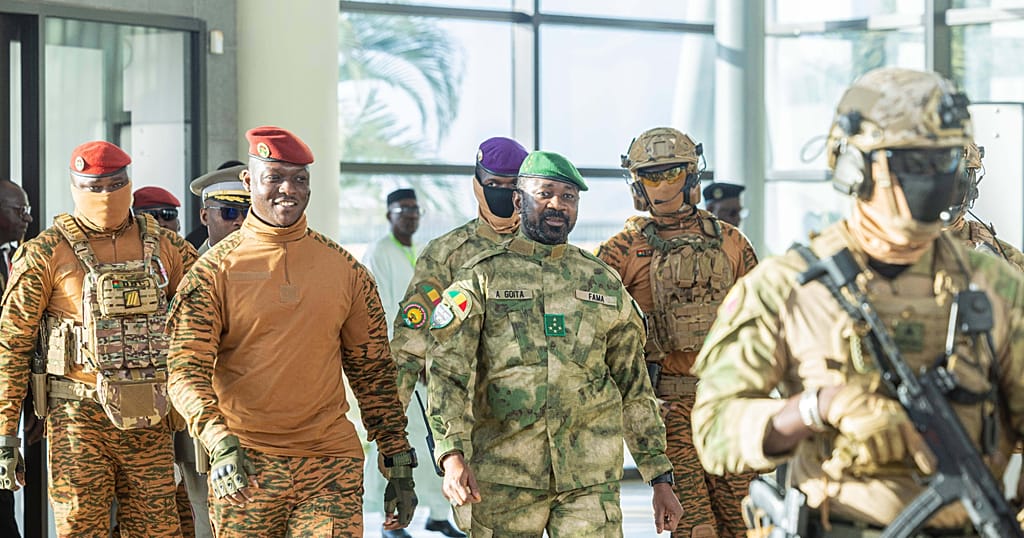
In Bamako, an uneasy calm persists following the April 25 attacks that claimed the life of General Sadio Camara, the second-in-command of Mali’s military leadership. The Malian Armed Forces have now revealed details of what they describe as a meticulously planned assassination attempt targeting the nation’s top transitional authorities, including President Assimi Goïta.
According to military officials, the operation involved multiple kamikaze vehicle attacks. In a press briefing, Deputy Director of Public Relations for the Armed Forces, Commandant Djibrila Maïga, revealed that one of the targeted vehicles was directed toward the presidential residence. This carefully coordinated plot aimed to eliminate our leaders, stated Commandant Maïga.
Burkina Faso takes media action amid regional fallout
The unfolding events in Mali have triggered a swift response from neighboring Burkina Faso. The country’s Superior Council of Communication has suspended broadcasts of TV5Monde, accusing the French international broadcaster of promoting terrorist propaganda and attempting to destabilize Mali’s transitional institutions.
Public reactions in Ouagadougou have been divided. Some residents support the ban, arguing that channels enabling terrorism should not be aired. Allowing channels that glorify terrorism to broadcast freely is unacceptable, commented Flore Guigma. Others criticize what they perceive as a patronizing approach to Sahelian news coverage. These outlets consistently frame our region with condescension; I’ve stopped watching them, said Serge Théophile Bancé.
Press freedom concerns rise as international media restrictions widen
Press advocacy groups have raised alarms over the growing constraints on media freedom. Reporters Without Borders condemned the suspension, calling the justification opaque and warning that it further shrinks the country’s already limited information space. Since the current leadership took power under Captain Ibrahim Traoré, multiple international outlets—including Le Monde, LCI, France 24, RFI, BBC News, and Voice of America—have faced temporary or permanent bans.
