Mali records over 322,000 refugees amid rising regional displacement crisis
Mali’s refugee population has surged to 322,584 as of September 30, 2026, with an additional 414,524 internally displaced persons (IDPs) within its borders. These figures were disclosed during the 77th session of the United Nations High Commissioner for Refugees (UNHCR) Executive Committee in Geneva.
Beyond its national borders, the crisis extends further. The country now hosts 90,648 repatriated Malians and 343,091 nationals seeking refuge abroad. Between August and September, the number of refugees and asylum seekers in Mali rose by 5,396, while the IDP count remained unchanged.
Regional spillover: displacement sparks cross-border humanitarian strain
The Malian crisis is not isolated but part of a broader regional emergency. In Koro, central Mali, nearly 86,000 refugees from Burkina Faso have been documented as of late July. Across Mali, Burkina Faso, and Niger, UNHCR estimates total displaced populations at nearly four million, including over 818,000 refugees and asylum seekers.
The drivers behind these movements remain consistent: escalating insecurity, targeted violence, and the absence of stable living conditions. For displaced individuals and returnees, safety and sustainable reintegration prospects remain the top priorities.
Government response: legal reforms and voluntary return initiatives
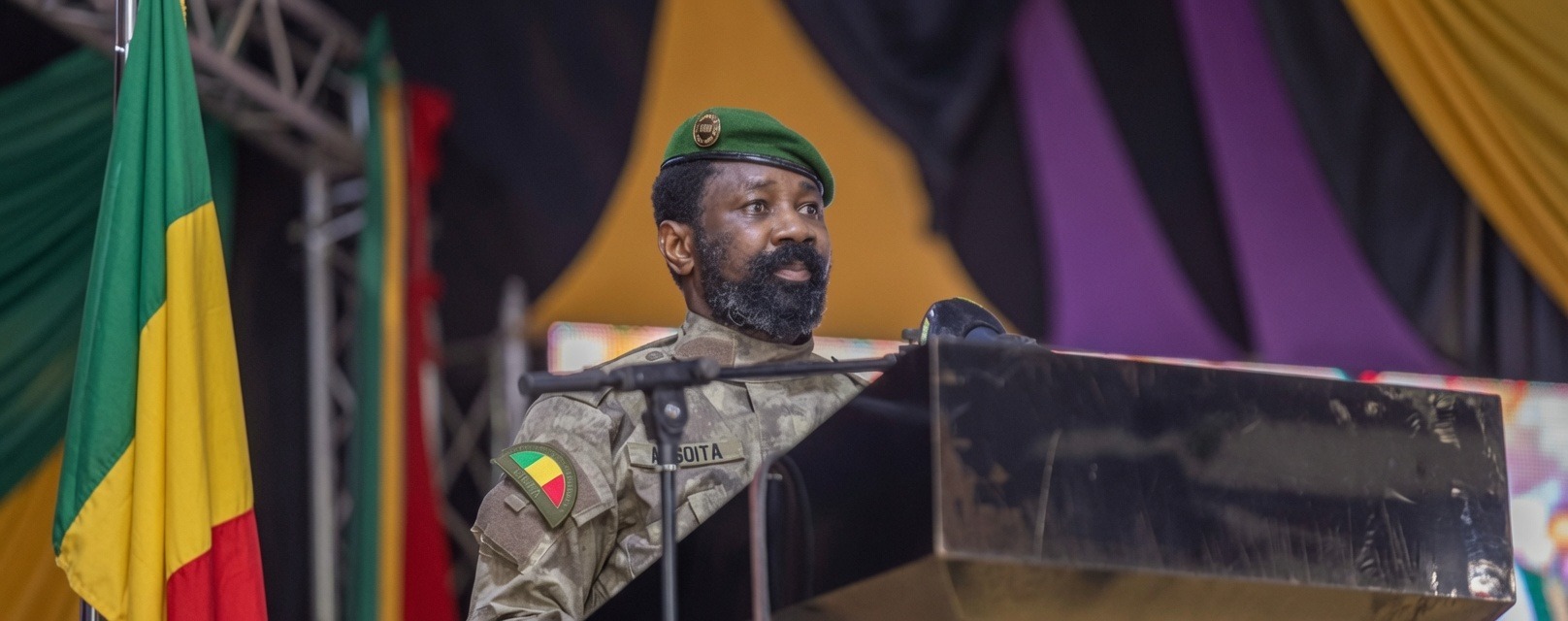
During the Geneva session, Malian Minister of Territorial Administration and Decentralization, Issa Ousmane Coulibaly, outlined the government’s commitment to refugee protection, voluntary repatriation, and support for returning citizens. He also highlighted legislative and institutional advancements designed to bolster these efforts.
Key measures include the 2024 adoption of a statelessness law, the establishment of a dedicated national commission, and the validation of a procedural guide for statelessness recognition claims. These steps reflect Mali’s ongoing efforts to strengthen legal frameworks amid persistent displacement pressures.
