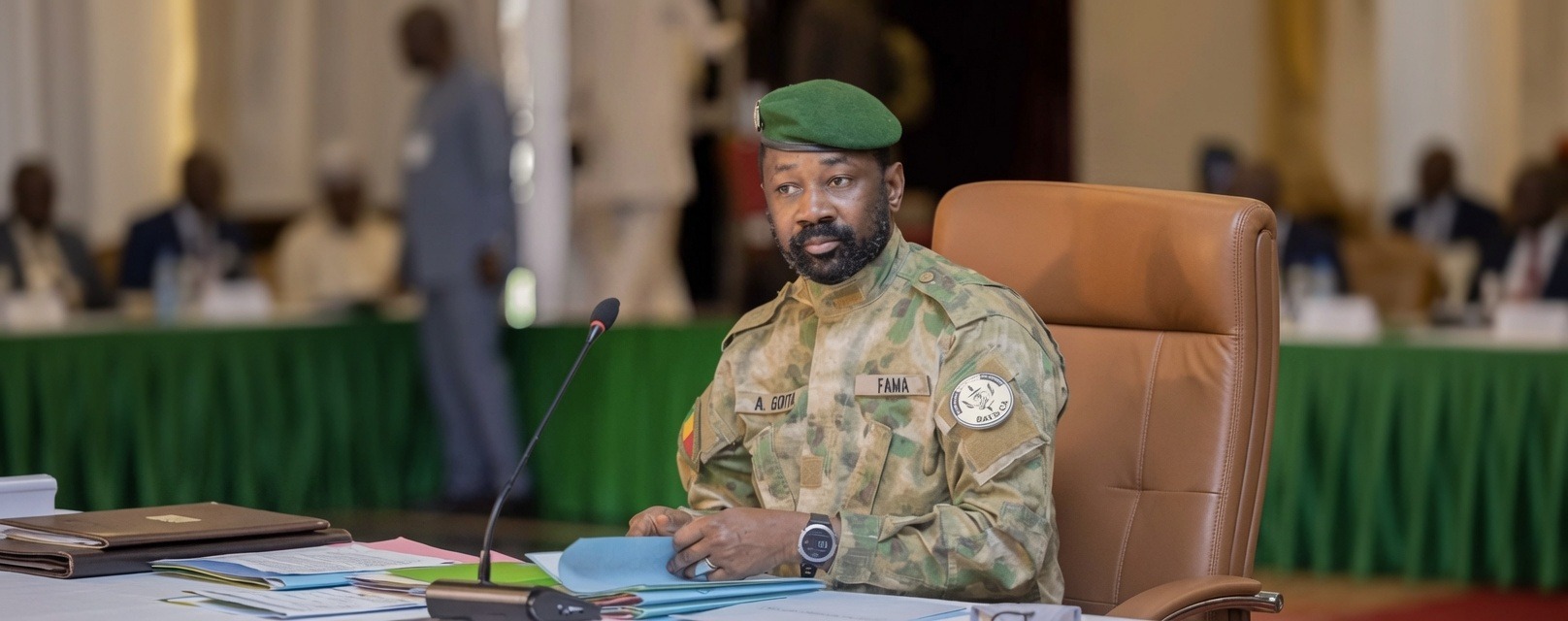
Mali: military junta’s counterterrorism strategy sparks human rights crisis
The tragic cost of Mali’s war on terror: civilians bear the brunt of military crackdowns
Mali’s military-led counterterrorism campaign is unraveling human rights protections, with government forces and allied Russian mercenaries systematically violating international law under the guise of restoring security. What began as a promise of reclaiming national sovereignty has descended into a cycle of arbitrary arrests, forced disappearances, and extrajudicial killings that now define the conflict for civilians in central and northern regions.
The disproportionate violence—documented in chilling detail by human rights monitors—has not only failed to curb insurgency but appears to be fueling further instability. Reports from Amnesty International and Human Rights Watch reveal a pattern of collective punishment, where entire villages are razed and communities, particularly the Fulani, face relentless persecution from both jihadist groups and state-backed forces.
From Geneva to the battlefield: broken promises and unchecked brutality
Despite Mali’s ratification of the Geneva Conventions in 1965 and adherence to Additional Protocols, the military junta has systematically disregarded its legal obligations. Training programs on wartime conduct once mandatory in barracks have been abandoned, replaced by a culture of impunity where soldiers operate without oversight. The result? A documented rise in summary executions, torture (including waterboarding and electric shocks), and systematic looting—tactics that increasingly resemble war crimes.
The unraveling of accountability after MINUSMA’s exit
The junta’s 2023 decision to expel the UN peacekeeping mission (MINUSMA) didn’t just silence international scrutiny—it emboldened the perpetrators. Without independent monitors, human rights violations have surged, with NGOs now forced to rely on remote documentation to expose the crisis. The near-total lack of accountability has created a perfect storm for abuse, where even the most egregious crimes go unpunished.
Diplomatic paralysis: how regional and global bodies failed Mali’s civilians
The withdrawal from the International Criminal Court (ICC) by Mali’s leadership and the politicized erosion of domestic courts have effectively sealed off all legal avenues for victims. While regional blocs like the African Union issue perfunctory statements, their inaction speaks volumes. The ECOWAS—despite its focus on constitutional order—has shown little leverage over Bamako’s military tactics, leaving civilians with no recourse against state-sponsored violence.
The paradox of counterterrorism: how repression fuels insurgency
By prioritizing brutality over strategy, the junta has undermined its own legitimacy. Far from weakening armed groups, the military’s indiscriminate crackdowns are radicalizing local populations, turning grievances into recruitment tools for extremists. A vicious cycle now defines the conflict: the harder the state suppresses dissent, the more it drives civilians into the arms of insurgents, perpetuating the very instability it claims to fight.
What’s next? The slow erosion of Mali’s future
As the junta doubles down on its militarized approach, the humanitarian toll mounts. Over 10,000 civilian deaths have been recorded since 2016, with tens of thousands displaced by violence. The international community’s muted response—limited to abstract condemnations—has only emboldened further abuses. Without urgent intervention to reinstate human rights protections, Mali risks becoming a failed state, where the fight against terror serves as a smokescreen for authoritarianism—and civilians pay the price.
Key violations documented by human rights organizations
- Extrajudicial killings: Over 500 reported since 2023, including cases of civilians summarily executed during raids.
- Torture and ill-treatment: Methods include waterboarding, electric shocks, and beatings—perpetrated by both government forces and Russia-linked Wagner Group affiliates.
- Forced disappearances: At least 200 cases where individuals were abducted by security forces and never seen again.
- Collective punishment: 34 villages destroyed in 2024 alone, with Fulani communities disproportionately targeted.
- Looting and destruction: Homes, livestock, and agricultural assets systematically seized or burned during military operations.
