In the wake of shocking allegations of torture and summary executions targeting Malian soldiers in the country’s northern regions, the United Nations has joined local human rights organizations in demanding an independent inquiry. These grave accusations, coupled with escalating violence involving the Malian army, Russian instructors, and armed groups, have left the transitional government in Bamako largely unresponsive, deepening concerns over accountability.
Northern Mali: where soldiers face brutal reprisals
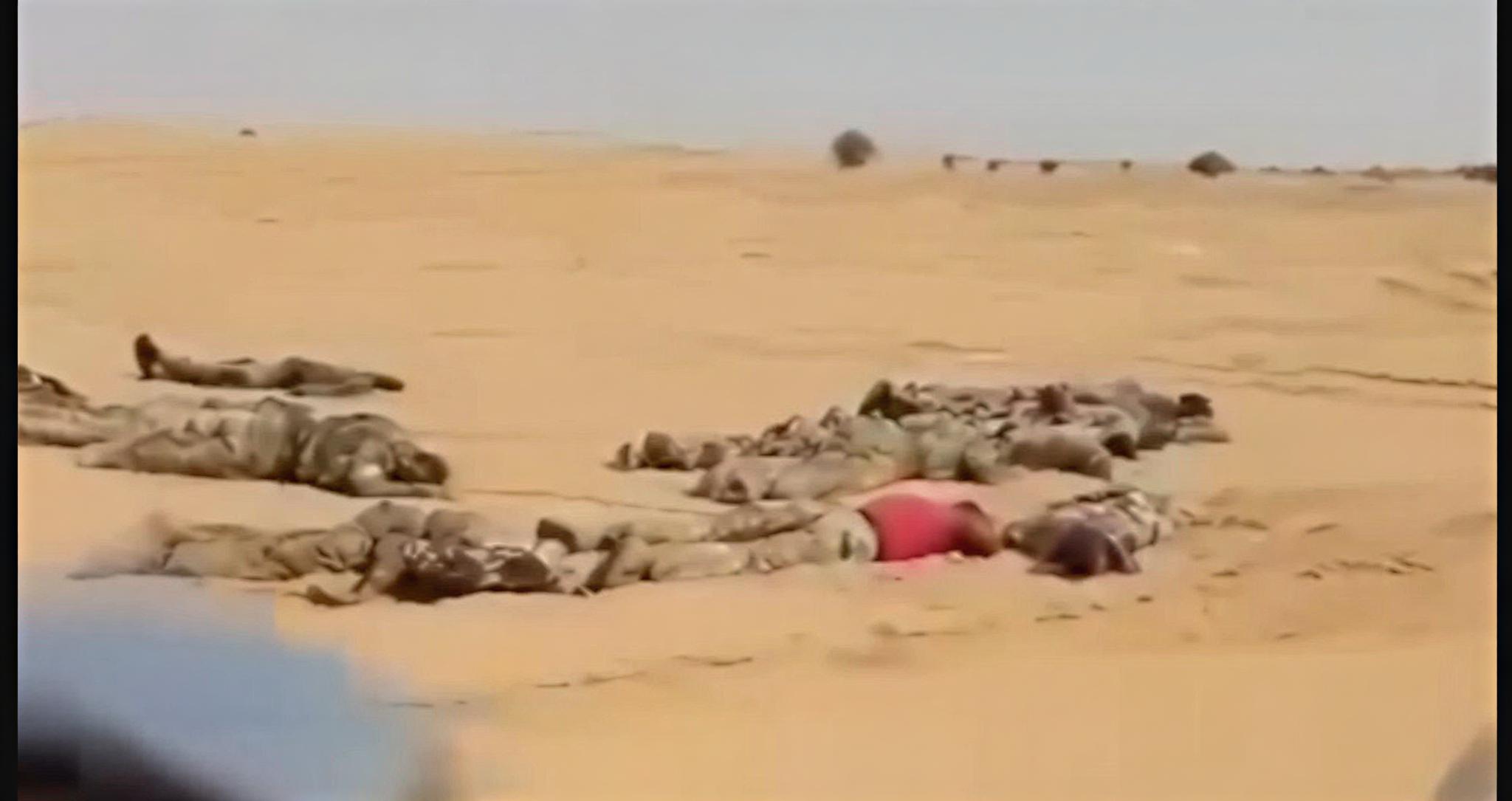
Following intense clashes in northern Mali, disturbing reports and social media footage have emerged, documenting severe abuses against members of the Malian Armed Forces (FAMa). Captured during ambushes on military convoys, dozens of soldiers allegedly endured torture before being executed while defenseless and surrendered. The United Nations High Commissioner for Human Rights swiftly condemned these acts, labeling them potential war crimes. The Geneva Conventions unequivocally prohibit such treatment of prisoners of war, regardless of the perpetrators’ affiliation—whether separatist coalitions or jihadist groups linked to Al-Qaïda.
A military junta trapped in silence
Despite mounting pressure from NGOs and international bodies, Mali’s transitional leadership, led by Colonel Assimi Goïta, has yet to issue an official statement. This deliberate inaction has sparked widespread criticism both domestically and abroad. The junta, which has previously dismissed external criticism and emphasized military successes, now faces a critical dilemma:
- Strategic vulnerability: Acknowledging these executions and massacres would undermine its narrative of a strengthening security apparatus.
- Eroding trust: Ignoring victims’ families and local NGOs risks deepening divisions within the armed forces.
Civilian suffering: a long-standing crisis
The UN’s call for an investigation into the soldiers’ deaths arrives amid a backdrop of persistent allegations of human rights violations. Reports from the United Nations and international organizations like Human Rights Watch have repeatedly highlighted abuses by the Malian army and its Russian allies—formerly Wagner Group affiliates, now operating under the « Africa Corps » banner. Key concerns include:
Patterns of civilian massacres
Investigations have confirmed multiple incidents, including the 2022 Moura tragedy, where hundreds of civilians were allegedly executed during a military operation. These events cast a dark shadow over the conduct of anti-terrorism campaigns.
Arbitrary detentions and torture
Residents in Mopti, Gao, and Ménaka report frequent cases of unlawful arrests, looting, and torture during joint military and Russian-led operations. These abuses disproportionately target pastoral communities, particularly the Peul and Tuareg ethnic groups, often falsely accused of collaborating with insurgents or jihadist factions.
Sahel’s cycle of impunity
The withdrawal of international forces, including the MINUSMA mission, has further reduced independent oversight in Mali. In this climate of secrecy, both civilians and surrendered soldiers bear the brunt of the violence. Analysts warn that without credible accountability mechanisms, the fight against terrorism risks descending into a cycle of retaliatory abuses, where all parties violate fundamental humanitarian laws.
The united demand for justice from local NGOs and the UN signals a turning point in Mali’s security crisis. By insisting on transparency regarding the executed soldiers, the international community underscores that justice must not be selectively applied. The question remains: will the military junta break its silence and initiate fair proceedings, or will it continue to ignore these calls, risking further isolation and perpetuating the cycle of atrocities?