Mali civilian deaths linked to army and allied militias in segou region
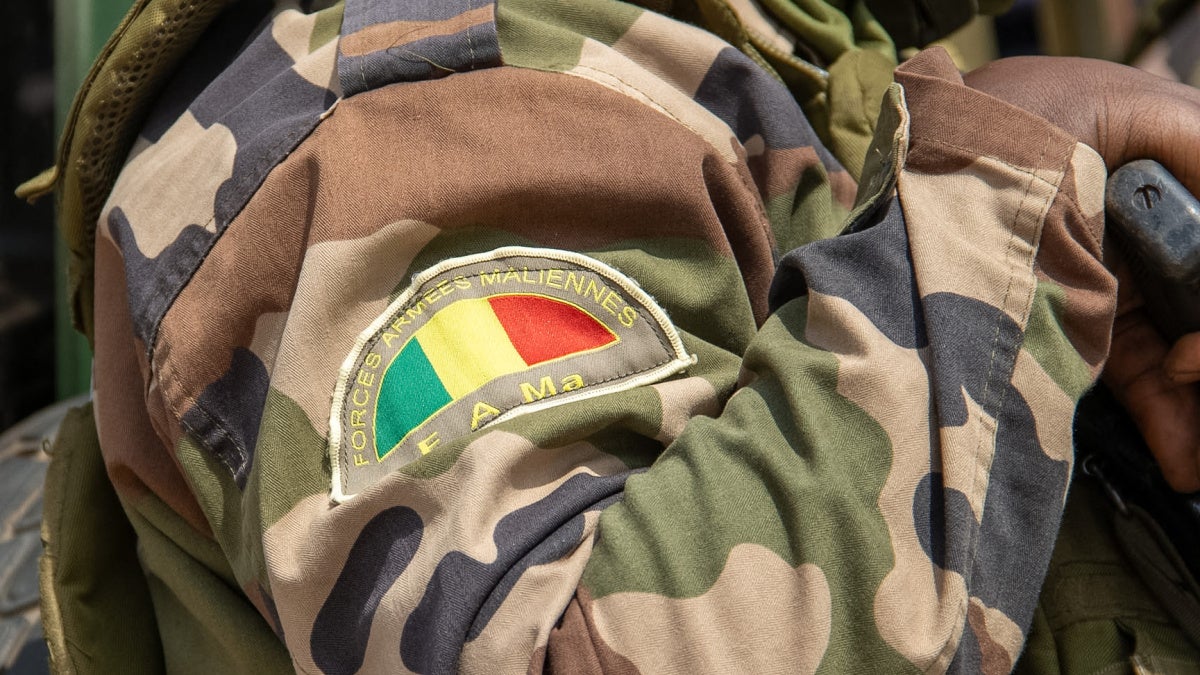
In the heart of Mali’s central region, a grim pattern of violence unfolded on two separate occasions in October, leaving at least 31 civilians dead and entire families displaced. According to testimonies gathered from survivors and local leaders, soldiers from the Malian Armed Forces and allied militiamen systematically targeted villages suspected of harboring ties to Islamist factions.
a pattern of collective punishment in Ségou
The first incident occurred on October 2 in the village of Kamona, where soldiers and members of the dozos—traditional hunters predominantly from the Bambara ethnic group—arrived in a convoy of seven pickups and three armored vehicles, accompanied by motorized militiamen. Witnesses reported that jihadist fighters from the Group for the Support of Islam and Muslims (JNIM), affiliated with Al-Qaeda, had warned villagers of the approaching forces, prompting many to flee. Those who remained were rounded up and executed, according to survivors.
« Those who couldn’t escape were gathered and shot dead, » one survivor recounted. « We found 17 bodies under a tree, and four more north of the village. The soldiers burned at least 10 huts and three storage sheds belonging to Fulani residents. » The victims, all men aged 20 to 65, were later buried in two mass graves. Residents also claimed that at least 15 additional men were killed in nearby bushland, though their bodies were never recovered due to fear of further attacks.
The second attack took place on October 13 in Balle, a village approximately 55 kilometers from Kamona. Soldiers in five pickups and dozos on at least 30 motorcycles stormed the area, triggering panic among the population. A 24-year-old man described how soldiers went door-to-door, assaulting men before opening fire. « I hid and heard the gunshots, » he said. « Later, I found 10 bodies lying in the center of the village—some with broken limbs. » Among the dead was a 55-year-old woman who confronted the attackers, only to be shot at point-blank range. The assailants also stole over 100 cattle before retreating.
military narratives clash with witness accounts
The Malian Armed Forces’ Chief of Staff issued a statement claiming that a « reconnaissance operation » near Balle on October 13 had neutralized « around twenty terrorists » and seized military equipment. However, residents denied the presence of any jihadist fighters in the area. « We’ve paid zakat to the JNIM for years, » a local explained. « They settle disputes here—there are no soldiers, police, or gendarmes. The army doesn’t distinguish between us and them. »
Since 2012, Mali has been embroiled in a protracted conflict with armed Islamist groups, resulting in thousands of civilian deaths and displacing over 400,000 people. Both state forces and rebel factions have been accused of grave human rights abuses. The JNIM, in particular, has intensified its siege on Bamako since early September, disrupting fuel supplies and forcing the military junta to shutter schools and universities nationwide.
accountability remains a distant promise
International humanitarian law mandates that all parties in armed conflicts—including Mali’s government forces and allied militias—refrain from targeting civilians, executing detainees, or committing acts of cruelty. Violations of these laws may constitute war crimes, with perpetrators subject to prosecution under the Rome Statute. While Mali withdrew from the International Criminal Court (ICC) in September 2025, its obligations under the Statute persist until September 2026, when the withdrawal takes full effect.
Despite the escalating crisis, the African Union’s Peace and Security Council has limited its response to verbal condemnations, failing to initiate concrete measures to hold accountable those responsible for atrocities. « The Council must prioritize Mali, » stressed a regional analyst. « It should convene urgent briefings, strengthen diplomatic efforts, and coordinate regional and international actions to ensure justice for all victims. »
