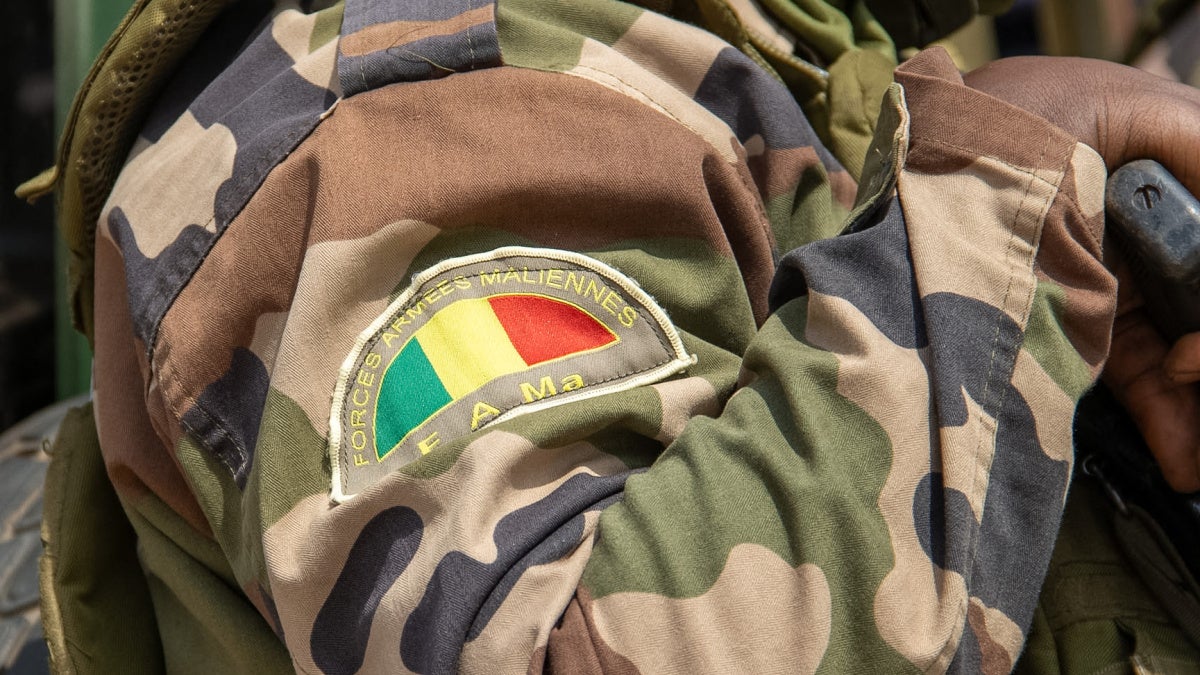
Mali army and allied militias accused of killing civilians in central region
Mass killings in Ségou: army and dozos under scrutiny
In a disturbing escalation of violence in central Mali, soldiers and allied militias are alleged to have carried out targeted killings of civilians in two villages within the Ségou region earlier this month. Survivors and community leaders describe chilling accounts of executions, arson, and systematic abuses that have left at least 31 people dead.
Two villages, two massacres in under two weeks
On October 2, soldiers from the Malian Armed Forces (FAMA) accompanied by dozo militias—traditionally hunters from the Bambara ethnic group—raided the village of Kamona. Witnesses report that soldiers and militiamen, arriving in seven pickup trucks and three armored vehicles along with motorcycle-mounted dozos, forcibly gathered male residents. Survivors recount that those unable to flee were executed on the spot. At least 21 men were killed, and more than 10 homes were set ablaze. The attackers left behind 17 bodies under a tree and four more scattered north of the village. Residents identified the victims as ethnic Fulani men, aged 20 to 65, all shot execution-style. A local herder, who hid with his nine-year-old daughter, discovered the carnage and described the scene as “people riddled with bullets.”
Just 11 days later, on October 13, a similar operation unfolded in Balle, located roughly 55 kilometers away. Soldiers in five pickup trucks and dozos on at least 30 motorcycles stormed the village, sparking panic among residents. While some managed to escape, others were not as fortunate. Ten civilians—including a 55-year-old woman—were killed, and over 100 cattle were stolen. A 21-year-old survivor recounted finding the bodies of her mother and nine men lying side by side, many with broken limbs and gunshot wounds to the head and torso. The woman’s mother had confronted the soldiers, accusing them of abuse, before being shot dead.
In a statement released on October 14, the Malian Chief of Staff claimed the October 13 operation was an “offensive reconnaissance” mission that resulted in the “neutralization of around twenty terrorists” and the seizure of military equipment. However, residents have long disputed the military’s presence in Balle, stating that the Group for the Support of Islam and Muslims (GSIM) has controlled the area for years. Villagers pay Islamic taxes to the group and rely on its courts to resolve disputes, as no state security forces operate in the region.
Unchecked violence and a cycle of impunity
The attacks occurred amid escalating hostilities between the Malian military and GSIM, which has been encircling Bamako since early September. The siege has disrupted fuel supplies to the capital and forced the interim military government to suspend all schools and universities nationwide. The violence in Ségou follows a pattern of alleged abuses by both state forces and armed groups, including summary executions, arson, and looting of civilian property.
International humanitarian law strictly prohibits attacks on civilians, as well as murder, cruel treatment, and torture. Individuals responsible for such violations—whether acting with criminal intent or through command responsibility—can be prosecuted for war crimes. Despite Mali’s withdrawal from the International Criminal Court (ICC) in September, the country remains bound by the Rome Statute until September 2026. The ICC has been investigating alleged war crimes in Mali since 2013.
Human rights advocates have called for urgent action to address the deteriorating security situation. “The massacres in Ségou are not isolated incidents,” said a senior researcher familiar with the region. “The Malian authorities must conduct credible, impartial investigations and hold those responsible to account through fair trials.”
Human rights organizations have documented widespread abuses by Malian security forces and allied militias during counterinsurgency operations, alongside atrocities committed by GSIM and other armed groups. Since 2012, the conflict has claimed thousands of civilian lives and displaced over 400,000 people. The international community, including the African Union (AU), has yet to take decisive measures to curb the violence or ensure accountability for perpetrators on all sides.
Demands for justice and accountability
Survivors and local leaders are urging authorities to acknowledge the crimes and ensure justice for the victims. “We want the world to know what happened here,” said a community elder from Kamona. “The soldiers and dozos came in, killed our men, and burned our homes. They treated us like animals.”
As the cycle of violence continues unabated, the need for accountability has never been more urgent. The international community must prioritize the protection of civilians and support efforts to bring perpetrators to justice, regardless of their affiliation. Without decisive action, the people of central Mali will remain trapped in a spiral of fear and bloodshed.
