Lomé, August 17, 2026 — Local governments in Togo’s maritime region are stepping up efforts to enhance their financial independence and service delivery. From August 17 to 19, 2026, officials from Golfe 2, Golfe 3, Agoè-Nyivé 5, and Agoè-Nyivé 6 are gathering in Golfe 7 for a specialized training session focused on financial resource mobilization and management.
The initiative, aligned with the National Training Plan led by the National Agency for Local Government Training (ANFCT), aims to equip municipal leaders with advanced strategies to boost local revenue streams and optimize financial governance. This comes as growing pressure mounts on local authorities to meet rising citizen demands with limited resources.
ADVERTISEMENT
Financial autonomy: the driving force behind local development
For municipal governments, financial independence is no longer just about securing new funding—it’s about securing existing ones, improving collection rates, and ensuring every franc mobilized translates into tangible public services. The level of resources available directly determines a municipality’s ability to fund infrastructure, maintain facilities, and address social and economic priorities.
This training in Golfe 7 seeks to strengthen the practical skills of local officials, enabling them to refine financial strategies and improve governance. By fostering peer learning and experience-sharing, the program aims to bridge gaps between theory and real-world application, ensuring communities see measurable improvements in service delivery.
Local-led training with practical focus
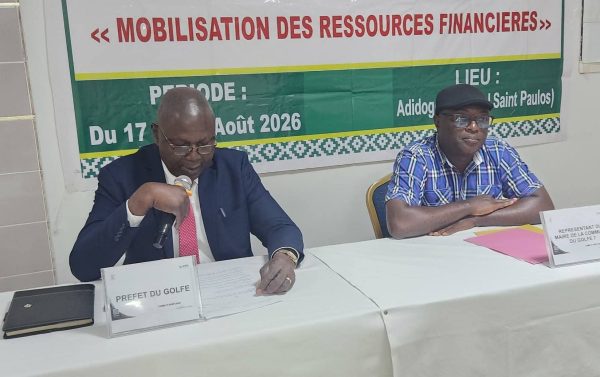
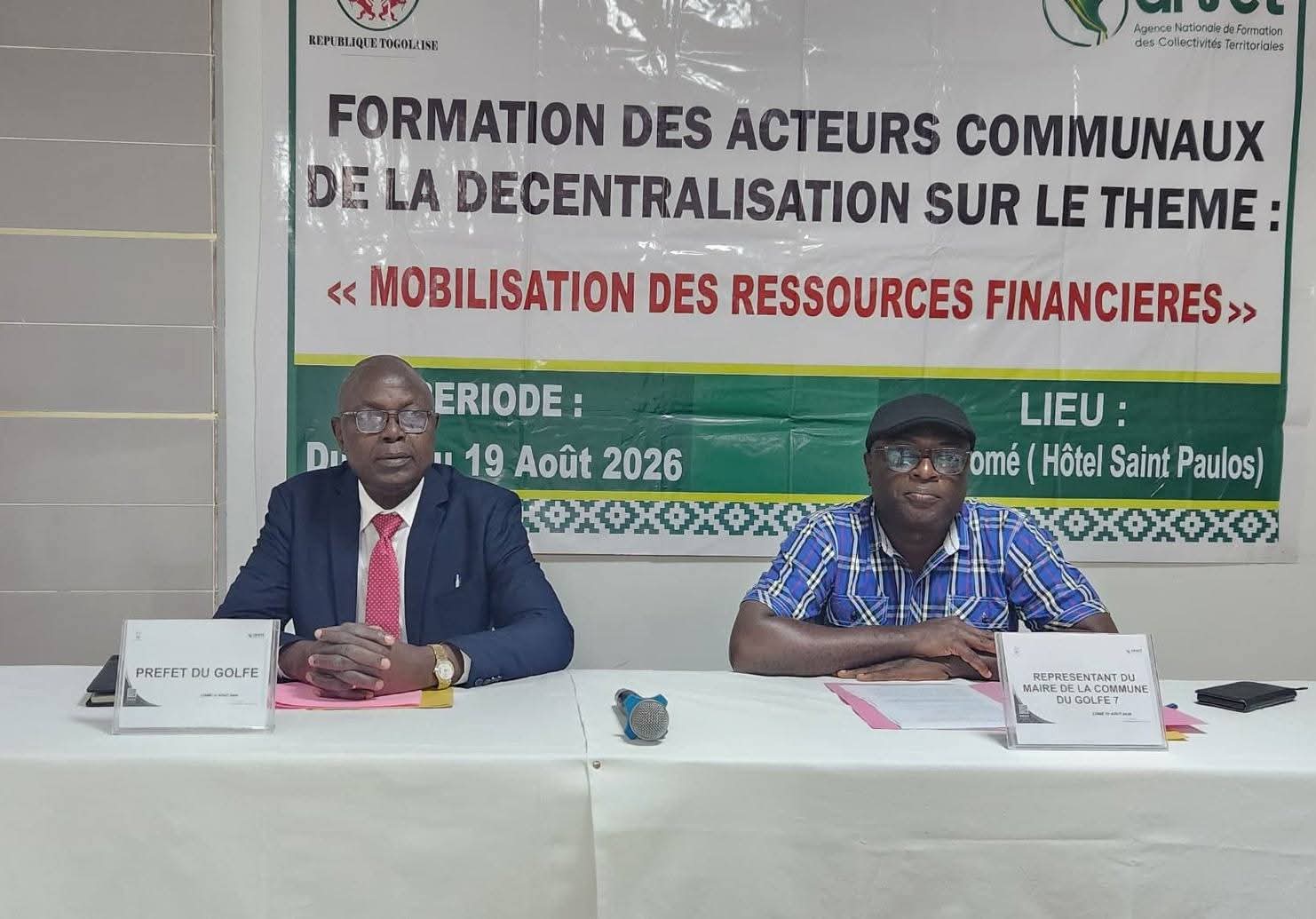
The three-day workshop opened on August 17 under the leadership of Golfe Prefect Kossivi Agbodan, alongside Golfe 7’s third deputy mayor, Adaka Koffi, and representatives from participating municipalities, finance officers, and municipal secretaries.
Speaking on behalf of the Senator-Mayor, Adaka Koffi emphasized the importance of building genuine financial autonomy through enhanced skills and knowledge. He urged participants to use the session not just to learn, but to exchange ideas, address common challenges, and develop solutions that can be immediately applied in their local contexts.
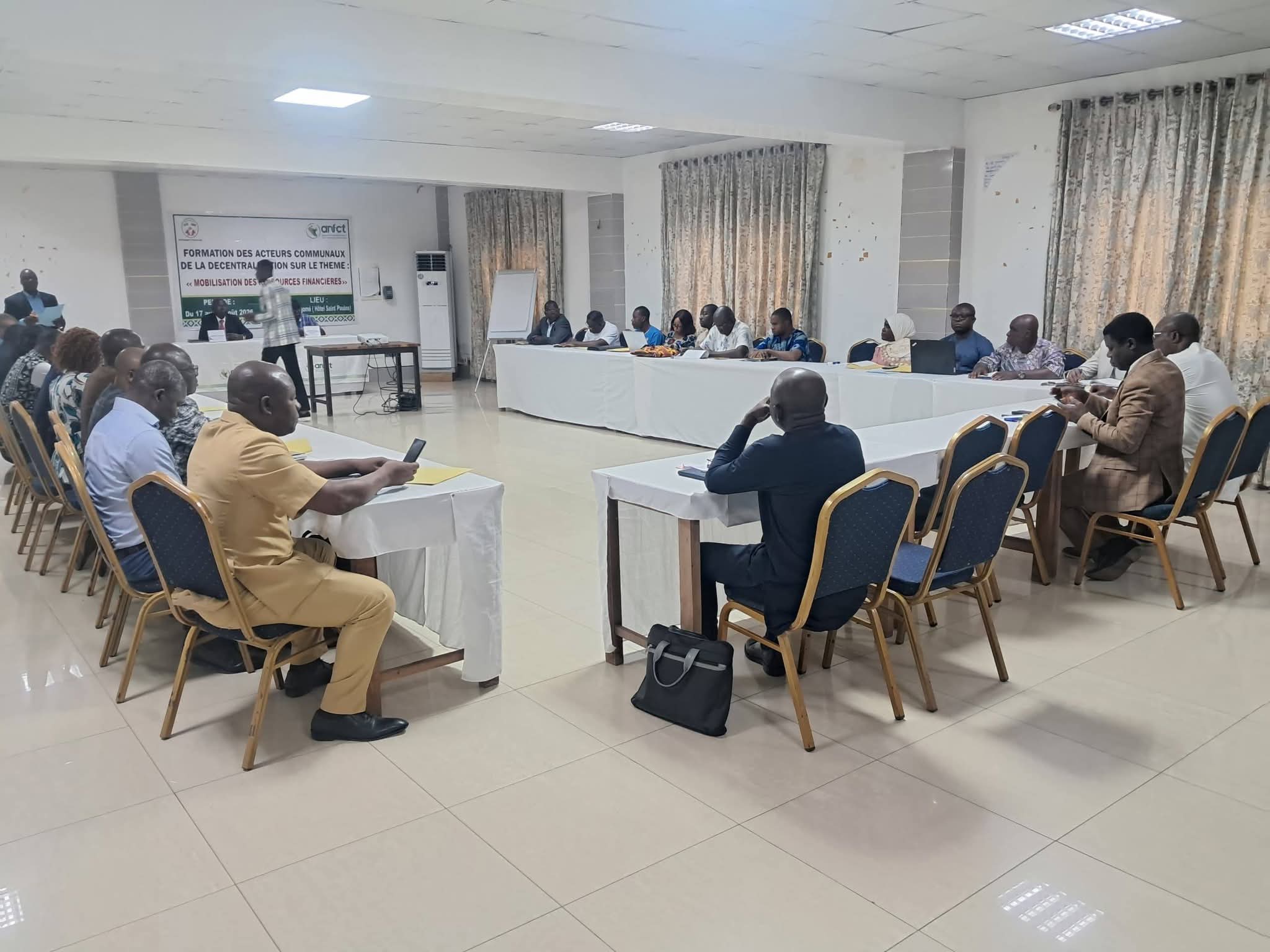
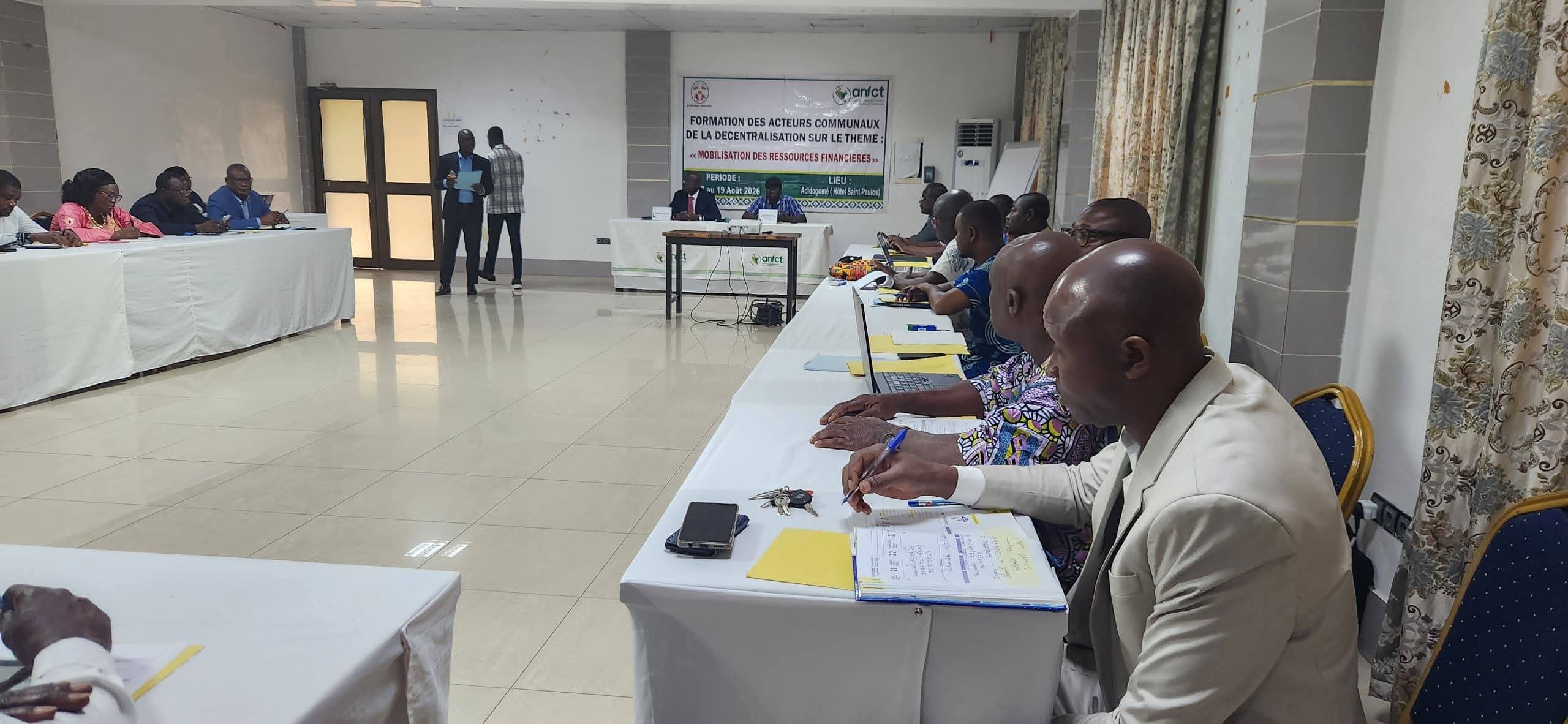
The training goes beyond traditional classroom instruction. Through group discussions and case studies, officials are encouraged to analyze their own financial practices, identify inefficiencies, and co-create actionable strategies for better resource management and service delivery.
From mobilization to disciplined management
Prefect Agbodan underscored a critical balance: while raising revenue remains essential, disciplined financial management is equally vital. A municipality may increase its income streams, but without rigorous oversight, accountability, and transparency, those gains fail to translate into improved living conditions for citizens.
The workshop thus integrates financial discipline into every discussion. Participants are guided to assess their own financial frameworks, identify gaps in compliance, and adopt measures that ensure every collected franc contributes meaningfully to local development goals.
A three-day path to sustainable financial practices
Over the next three days, officials from the four municipalities will collaborate in a shared learning space, refining their understanding of financial mobilization and management. The goal is not just to increase revenue, but to embed sustainable practices that strengthen local governance and service delivery.
For the National Agency for Local Government Training (ANFCT), this initiative is part of a broader commitment to support Togo’s decentralization process. For the participating communes, the challenge now lies in converting the insights gained into real-world actions—improving financial resilience and, ultimately, the quality of life for residents.
By Maimouna Kaboré — Editor-in-Chief
Content syndicationOpen public syndication feed accessible via RSS / XML