Kloto 1 commune in Kpalimé approves record 2026 budget for development
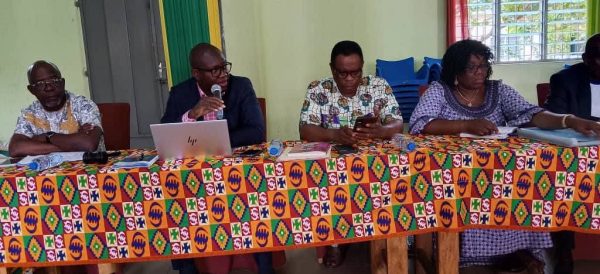
KPALIMÉ — The Kloto 1 Municipal Council is accelerating its development agenda. During its third ordinary session of 2026, local representatives approved a substantial budget supplement of 456.3 million FCFA, elevating the communal budget from 531.2 million to an impressive total exceeding 987.5 million FCFA.
This significant 46.2% increase marks a pivotal strategic shift for the community, which has opted to dedicate almost all of these newly available resources to tangible territorial development initiatives.
A massive commitment to community infrastructure
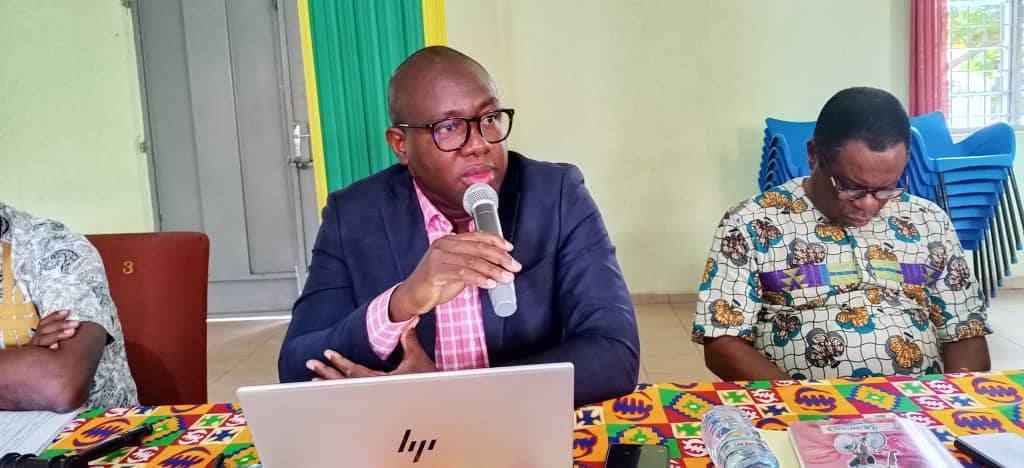
The municipal administration is deliberately avoiding an expansion of its operational expenses. In fact, the local executive has earmarked an overwhelming portion of this revised budget – precisely 80.34% of the funds – for direct investment expenditures. Operational costs, kept under strict control, account for only 19.66% of the overall financial allocation.
This proactive financial strategy underscores a clear objective: to translate budgetary capital into tangible construction projects and immediate economic benefits for the residents.
Wholesale market and urban renewal at the program’s core
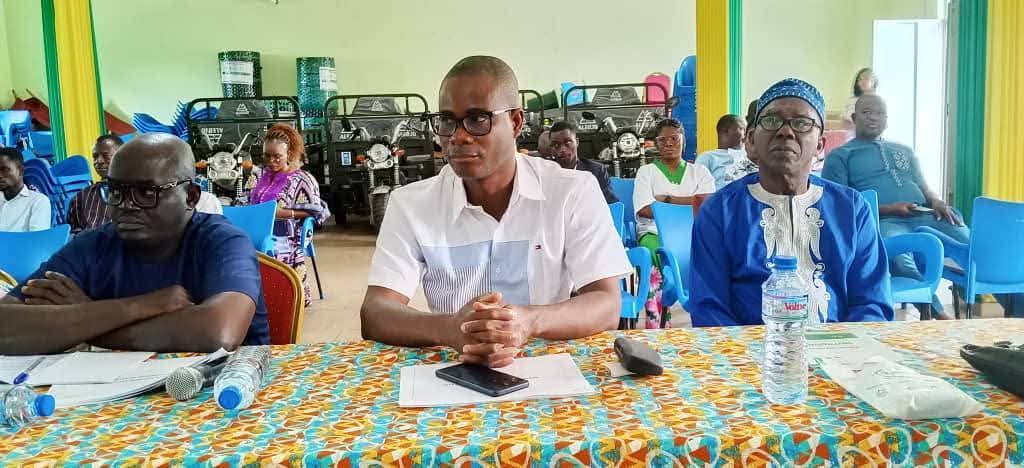
The expanded financial capacity will fund significant infrastructure projects within Kpalimé. Among these, the commune will initiate the construction of a dedicated wholesale livestock market – a crucial commercial facility designed to bolster the local agricultural sector, attract regional buyers, and amplify municipal revenues.
Concurrently, the Council is launching an extensive urban development initiative aimed at upgrading road networks, enhancing the living environment, and strengthening the city’s appeal as a tourist destination.
Citizen engagement across 33 neighborhoods
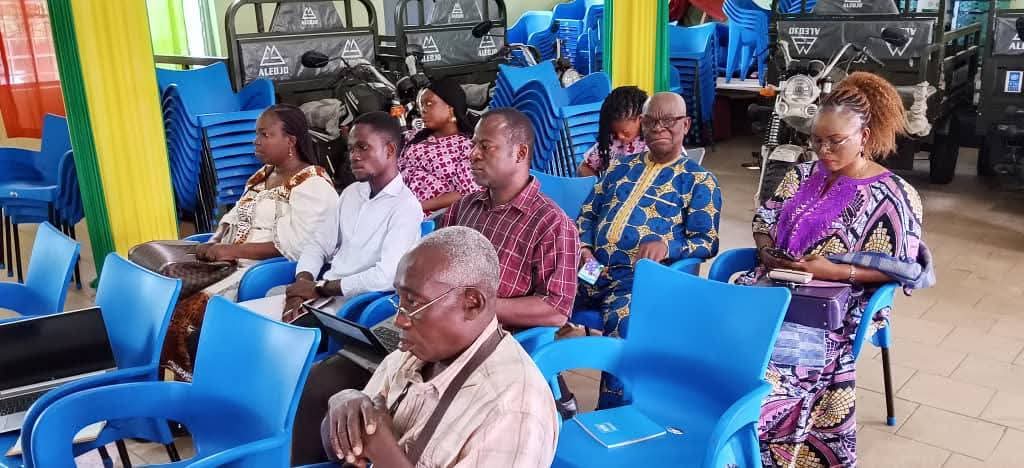
To ensure the effective implementation of these investments at the local level, the Municipal Council is restructuring its grassroots governance. The session formally endorsed the systematic renewal of Neighborhood Development Committees (CDQ) across all 33 districts of the commune.
By revitalizing these community-level bodies, Kloto 1 aims to closely involve its residents in prioritizing projects and overseeing their progress, thereby forging a robust performance pact between elected officials and the citizenry.
In essence, this budgetary decision ushers in a new era: Kloto 1 is transforming its resources into tangible drivers of development, solidifying the partnership between local governance and citizen mobilization to build a modern and appealing commune.
