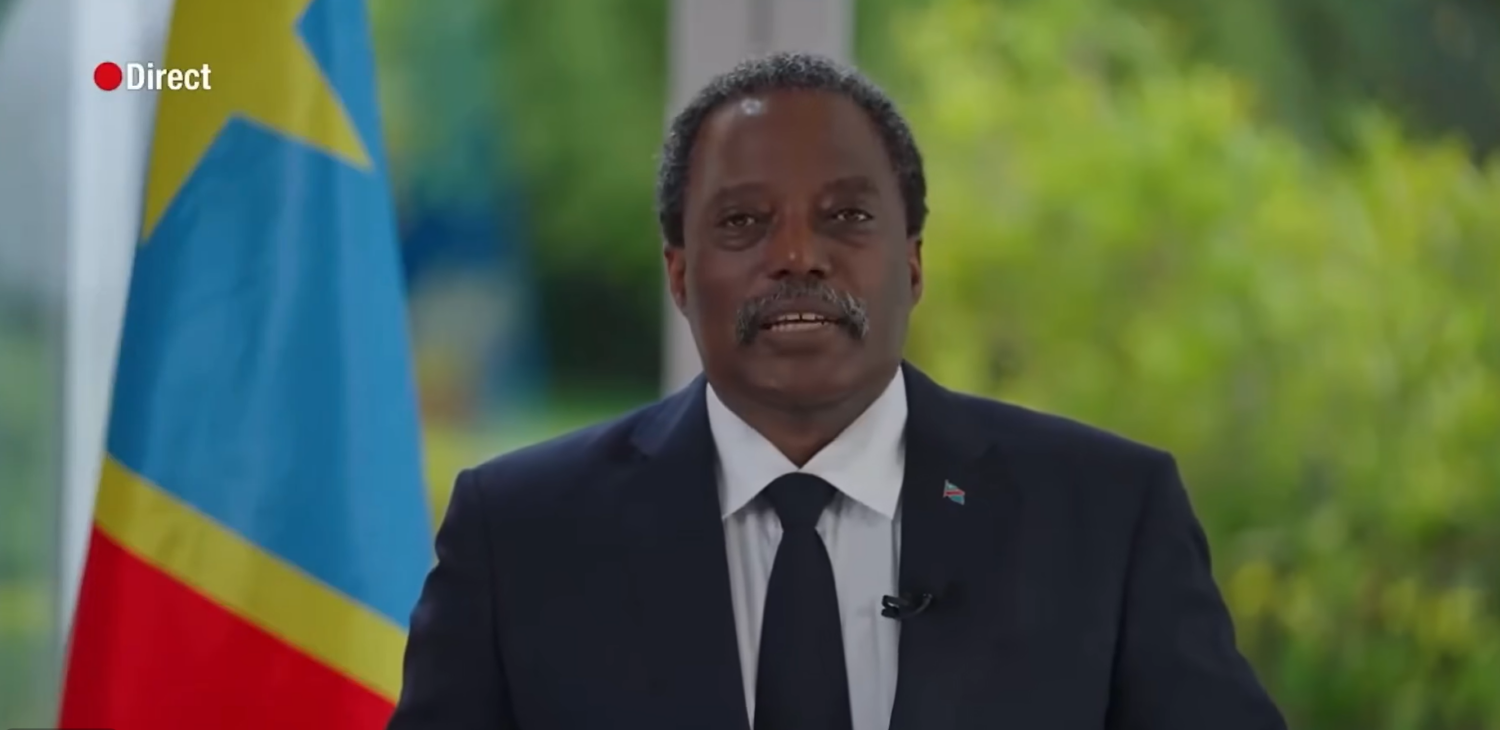
Joseph Kabila’s shock move to lead Congo’s FRN rebels sparks new war fears
Joseph Kabila, former president of the Democratic Republic of Congo (DRC) from 2001 to 2019, has officially taken command of the Front for National Rebirth (FRN) as of October 12, 2026, marking a dramatic military comeback. This alliance, which integrates armed groups like the M23 and the former Congo River Alliance, serves as a political shield for a rebellion backed by Rwanda. The move appears calculated to evade international scrutiny of proxy forces linked to Paul Kagame, while threatening to ignite a regional powder keg rich in mineral wealth.
Echoes of the Kabila dynasty’s rise and fall
In 1996, Laurent-Désiré Kabila—Joseph’s father—emerged from obscurity to lead the AFDL, a Rwanda-backed rebellion that overthrew Mobutu Sese Seko in 1997. Once in power, Laurent-Désiré quickly distanced himself from his Rwandan allies, triggering the Second Congo War before his assassination in 2001. At just 29 years old, Joseph inherited the presidency in the midst of chaos, sustaining a fragile equilibrium between Congo’s eastern militias and Rwanda’s regional ambitions for nearly two decades.
By openly aligning with Rwanda’s proxy forces—groups he once fought—Kabila now seeks to escalate a localized insurgency into a full-scale national campaign aimed at toppling President Félix Tshisekedi.
Leveraging political legitimacy to radicalize rebellion
The M23, long seen as a Tutsi ethnic militia and a tool of Rwandan influence, gains unprecedented credibility through Kabila’s leadership. His former presidency provides the rebel coalition with a veneer of state legitimacy previously absent. This shift transforms what was once a border skirmish into a national conflict, with Kabila positioning the FRN as a credible alternative to the current government.
Geopolitical analysts warn that behind this strategic maneuver lies a web of international collusion and entrenched economic interests. Observers note that Kabila’s move risks deepening Congo’s fragmentation, turning regional instability into a full-blown national crisis driven not by ideology, but by access to Congo’s vast mineral wealth.
Mineral riches fuel a predatory cycle of violence
The DRC, Africa’s second-largest country by area, holds vast reserves of gold, coltan, cobalt, zinc, and manganese—strategic resources critical to global supply chains. Yet these riches come at a cost: eastern provinces like North and South Kivu and Ituri remain trapped in a cycle of violence, where armed groups, often backed by foreign actors, control mining operations and smuggling routes.
Analysts highlight a paradox: while eastern Congo remains mired in perpetual insecurity, mining zones are paradoxically highly secured—by the very militias profiting from their exploitation. The result is a system where international corporations continue to source minerals through intermediaries, all while diplomatic condemnation and humanitarian crises escalate.
Human cost mounts as conflict escalates
With nearly 150 armed groups operating across eastern Congo—ranging from local self-defense militias to transnational criminal networks and extremist factions like the ADF-Nalu—civilians bear the brunt of escalating violence. Reports from conflict zones describe widespread atrocities, including systematic sexual violence and massacres, with civilians caught in the crossfire of competing armed factions.
By lending his name and political weight to the FRN, Joseph Kabila has not only legitimized a rebel movement but assumed responsibility for a potentially devastating escalation. The humanitarian toll—already catastrophic—risks spiraling further, with the most vulnerable populations facing the brunt of new military offensives.
