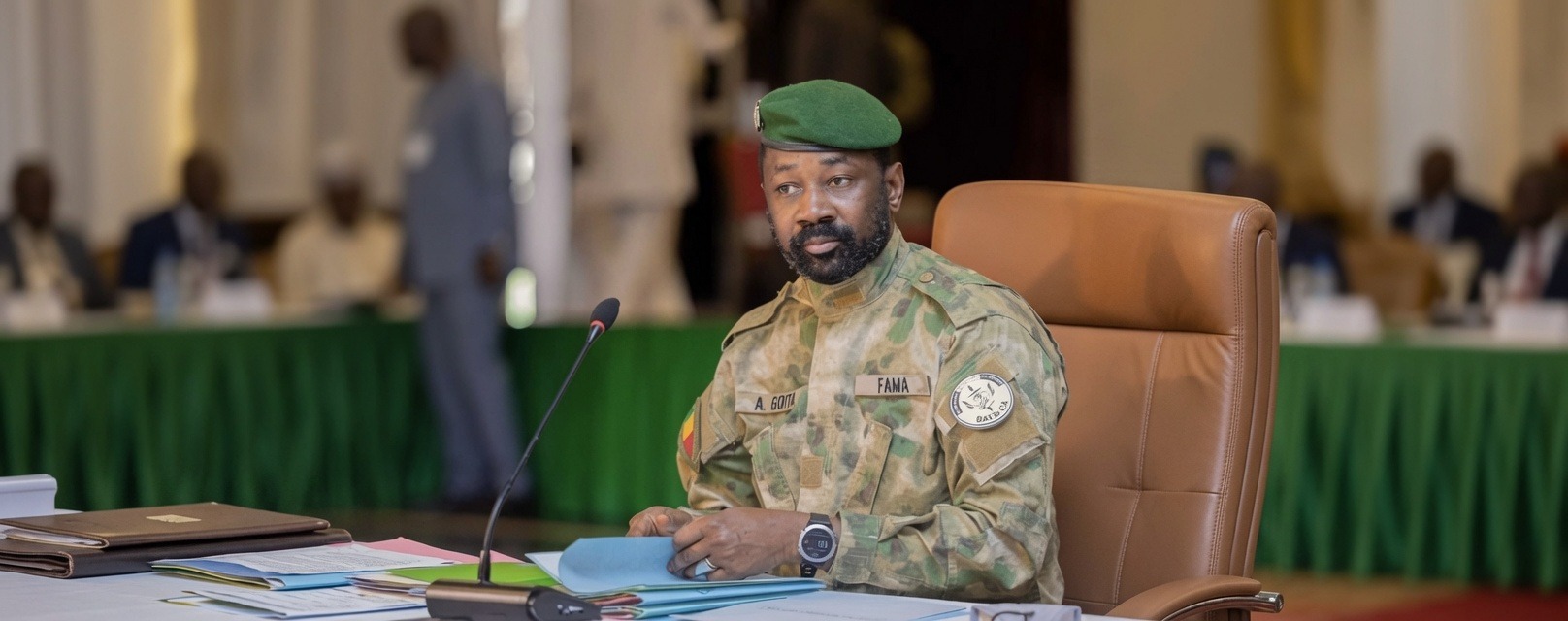
Ivory Coast’s intelligence chief visits Bamako to revive security cooperation amid rising jihadist threats
Vassiriki Traoré, director of Côte d’Ivoire’s intelligence services, arrives in Bamako today for a three-day working visit at the invitation of Mali’s state security chief, General Modibo Koné. The visit follows months of diplomatic strain between Abidjan and Bamako, but comes as both nations face growing pressure to coordinate against escalating terrorist threats across West Africa.
Security reset takes center stage in Bamako talks
The high-stakes meeting focuses on restoring operational ties between Côte d’Ivoire’s National Intelligence Agency and Mali’s State Security Directorate. Key discussions will center on intelligence sharing, cross-border monitoring, and joint strategies to counter armed group movements along their shared frontier.
From diplomatic rupture to fragile rapprochement
Tensions between the two countries have deepened since Mali’s military leadership took power in 2020, fueled by disputes over foreign policy, security alliances, and the 2022 detention of 49 Ivorian soldiers in Bamako. Accused by Malian authorities of being mercenaries, the soldiers were later pardoned after Abidjan maintained they were part of a UN peacekeeping deployment.
What changed the calculus in Abidjan?
While political disagreements persist, the surge in jihadist violence across the Sahel has forced both governments to reassess priorities. Northern Côte d’Ivoire, bordering Mali’s conflict zones, has seen increased infiltration attempts, while Bamako continues to battle insurgencies in its central and northern regions.
Can shared security threats bridge political divides?
Analysts suggest this week’s talks could mark a turning point if concrete measures are agreed upon. Potential outcomes include:
- A formal intelligence-sharing framework to track armed group movements
- Joint border patrols to disrupt trafficking and infiltration routes
- Harmonized protocols for crisis response and information verification
A regional domino effect?
The success of these negotiations may influence broader efforts to restore stability in West Africa. If Abidjan and Bamako can rebuild trust, neighboring Burkina Faso and Niger could follow suit, creating a more unified security bloc against regional extremism.
All eyes will be on Bamako this week as Traoré and Koné attempt to translate goodwill into actionable security cooperation.
