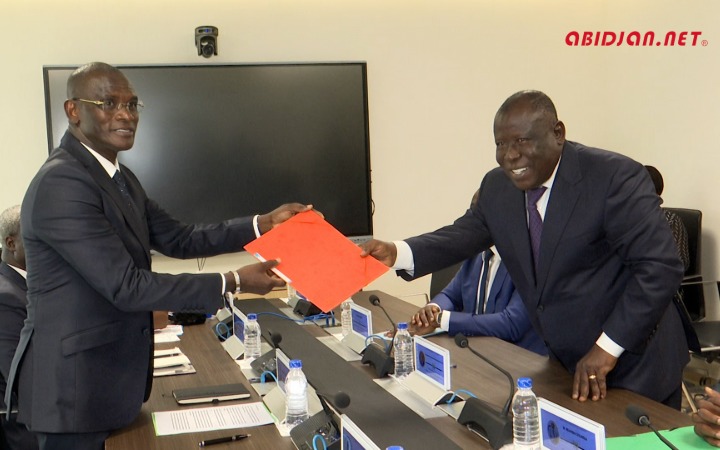
Ivory Coast’s electoral reform: RHDP submits proposal to interior ministry
Ivory Coast’s electoral body reform takes shape with new submission
The government of Côte d’Ivoire has received a formal proposal from the ruling Rassemblement des Houphouëtistes pour la Démocratie et la Paix (RHDP) to establish a new independent electoral body. The document, handed over to the Ministry of the Interior, outlines sweeping changes aimed at restoring public confidence in national elections.
The proposals follow months of political debate and mounting calls from civil society and opposition groups for electoral reforms to enhance transparency and fairness. If implemented, the new body would replace the existing Independent Electoral Commission, introducing stricter oversight and clearer mandates to address long-standing concerns over vote integrity.
Key proposals in the RHDP’s electoral reform plan
The RHDP’s submission includes several high-impact measures designed to strengthen the electoral process:
- Independence and accountability: The new body would operate with greater autonomy from political influence, with leadership selected through an open, multi-stakeholder process.
- Enhanced technical capacity: Proposed upgrades include modernized voter registration systems, biometric verification tools, and improved polling station logistics to reduce procedural errors.
- Clearer dispute resolution: A dedicated electoral tribunal would be established to handle complaints swiftly, ensuring timely resolution of election-related disputes.
- Public oversight mechanisms: Mandatory transparency reports and live-streamed counting sessions to allow real-time monitoring by independent observers and citizens.
Reactions and implications for Ivory Coast’s political future
Political analysts suggest the reforms could have far-reaching consequences for Ivory Coast’s electoral landscape. Supporters of the RHDP argue that the new structure will modernize the voting system and reduce allegations of electoral fraud, which have marred past elections. Opposition parties, however, remain cautious, demanding further guarantees on the independence of the new body and assurances that their concerns will be addressed in the implementation phase.
Civil society organizations have welcomed the proposal but emphasize the need for robust public consultation to ensure buy-in from all stakeholders. The success of the reform hinges on transparency throughout the legislative process and the government’s willingness to incorporate feedback from civil society groups and opposition parties.
The Interior Ministry is expected to review the proposal in consultation with legal experts and constitutional bodies before drafting legislation for parliamentary approval. If passed, the reforms could be implemented ahead of the next presidential election, slated for 2025.
What’s next for Ivory Coast’s electoral reform process?
The coming weeks will be critical as the Interior Ministry evaluates the RHDP’s proposal and engages in dialogue with opposition leaders, legal scholars, and international partners. Key steps include:
- Constitutional review: Ensuring the proposed reforms align with the Ivorian Constitution and international electoral standards.
- Public consultations: Holding nationwide forums to address concerns from civil society, media, and opposition parties.
- Legislative drafting: Transforming the proposal into a bill for parliamentary debate and approval.
- Implementation timeline: Establishing a clear roadmap for rolling out the reforms, including training for electoral officials and pilot testing of new systems.
The government’s response to these next steps will determine whether the reforms fulfill their promise of restoring trust in Ivory Coast’s electoral process—or if further challenges lie ahead.
