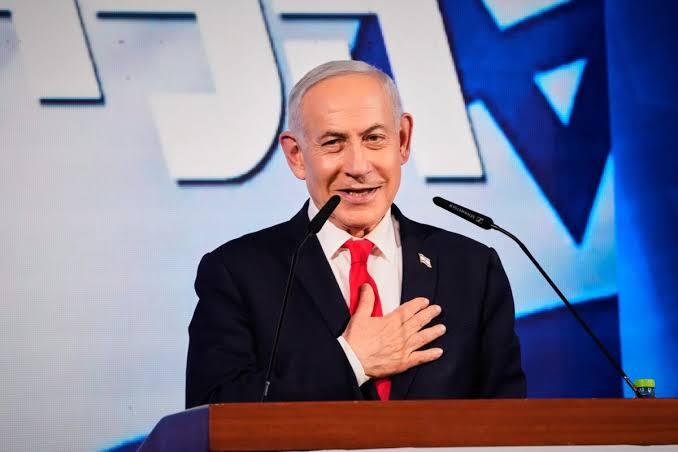
Israel’s Knesset deadlock: Netanyahu loses majority after tight election results
Historic election outcome shakes Israel’s political foundation
Israel’s political landscape has entered uncharted territory following the latest legislative elections, where Prime Minister Benjamin Netanyahu’s governing coalition lost its coveted parliamentary majority. Official results from the Central Election Commission now show the Likud-led bloc falling short of the 61-seat threshold needed to form a stable government, triggering a deep institutional crisis.
Election results expose deep divisions in Israeli politics
The vote count, conducted under intense scrutiny, revealed a dramatic shift in political power:
- Netanyahu’s coalition collapses: The right-wing alliance, including ultranationalist and religious parties, failed to secure the minimum seats required to govern, leaving the Knesset fragmented.
- Opposition gains momentum: A coalition of centrist and opposition parties, led by figures such as Gadi Eisenkot and Yair Lapid, capitalized on voter dissatisfaction and made significant gains.
- Arab parties surge in influence: High voter turnout in Arab communities and strong showings by Arab representatives reshaped the political balance, denying Netanyahu’s bloc the crucial votes needed to maintain control.
Netanyahu alleges electoral irregularities in bid to overturn results
In the wake of defeat, Prime Minister Netanyahu swiftly moved to challenge the election outcome. He publicly questioned the validity of thousands of ballots, particularly in districts with heavy Arab voter participation, suggesting systemic irregularities.
His claims were met with swift rebuttal from opposition leaders, who accused him of undermining democratic norms to cling to power. “Challenging the people’s will simply because the vote didn’t go your way is an attempt to stage a coup against Israel’s democratic institutions,” declared a leading centrist lawmaker.
Political paralysis looms as Israel braces for uncertain future
Despite the Central Election Commission affirming the integrity of the vote and dismissing claims of widespread fraud, the absence of a clear majority has plunged the country into a period of profound uncertainty. With public trust in institutions eroded, Israel now faces two stark possibilities: prolonged coalition talks to cobble together a fragile government, or the grim prospect of another round of elections in a nation already weary of perpetual political crises.
Nation on edge as democratic tensions rise
The election’s aftermath has exposed sharp divisions within Israeli society, with fears growing that the lack of political consensus could further destabilize the country. As political leaders dig in their heels, the path forward remains unclear, leaving citizens and analysts alike questioning whether the current crisis marks a turning point—or a descent into deeper instability.
