Inside the UN’s 2025 Gabon funding: the untold strategy behind 10.5 billion CFA francs
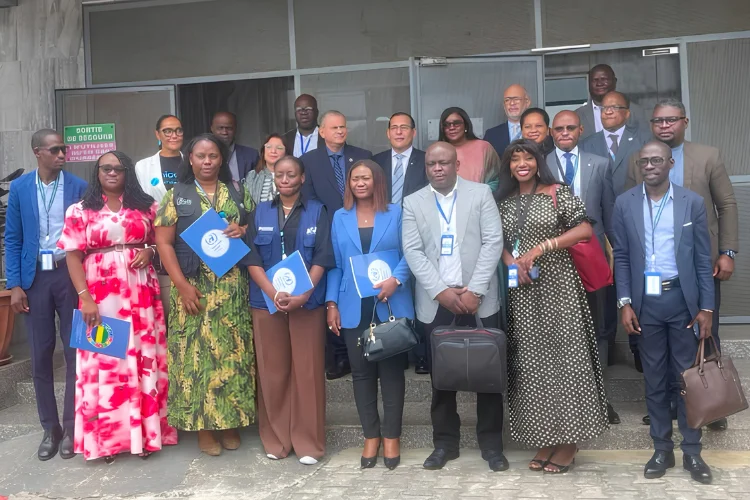
When Fatou Aminata Lo, the UN Resident Coordinator in Gabon, stepped before journalists at the UN common house, it was more than a routine briefing. It was the first time since taking office in January that she had engaged directly with the media, and the subtext was clear: the UN system in Gabon is recalibrating its relationship with the public and the press. Beyond presenting the 2025 activity report, the meeting served as a strategic pivot, aimed at forging a deeper partnership with media outlets as the country charts its course toward the Sustainable Development Goals (SDGs) and the upcoming 2028-2032 framework.
Flanked by agency heads, Lo framed the UN’s role in broader terms: “Our contribution is not measured solely by the number of projects delivered, but also by our ability to bring actors together and help transform public policies into tangible results for the people.”
In 2025, a total envelope of 10.5 billion CFA francs (US$18.5 million) was mobilized through 21 entities and nearly 300 staff members, 70% of whom are nationals. The management of these funds revolves around three core priorities: promoting good governance and human rights, advancing the transition to a green and blue economy, and fostering equal opportunities and social inclusion.
During the exchange, journalists raised pointed concerns. They questioned the true role of the UN system and sought clarity on how these programs directly address the pressing socio-economic needs of the population.
The no-holds-barred discussion laid the groundwork for a more transparent and closely coordinated collaboration.
random pub
