Inside the ambush: how Mali’s Katiba Macina exposed Africa corps weaknesses in Niono sector
Understanding the ambush in Niono’s volatile triangle
The 28 September 2026 strike was not a random hit-and-run—it was a calculated move to probe the underbelly of a security architecture that had grown overconfident. A military convoy bearing exclusively Russian Wagner-affiliated Africa Corps operatives was ambushed between Tiemaba and Wewo, just north of Niono in the Ségou region. The absence of Malian army partners in that column turned the ambush into a surgical strike against a force whose tactics and cohesion were suddenly thrown into sharp relief.
Why Niono’s Katiba Macina is the radical heartbeat of central Mali
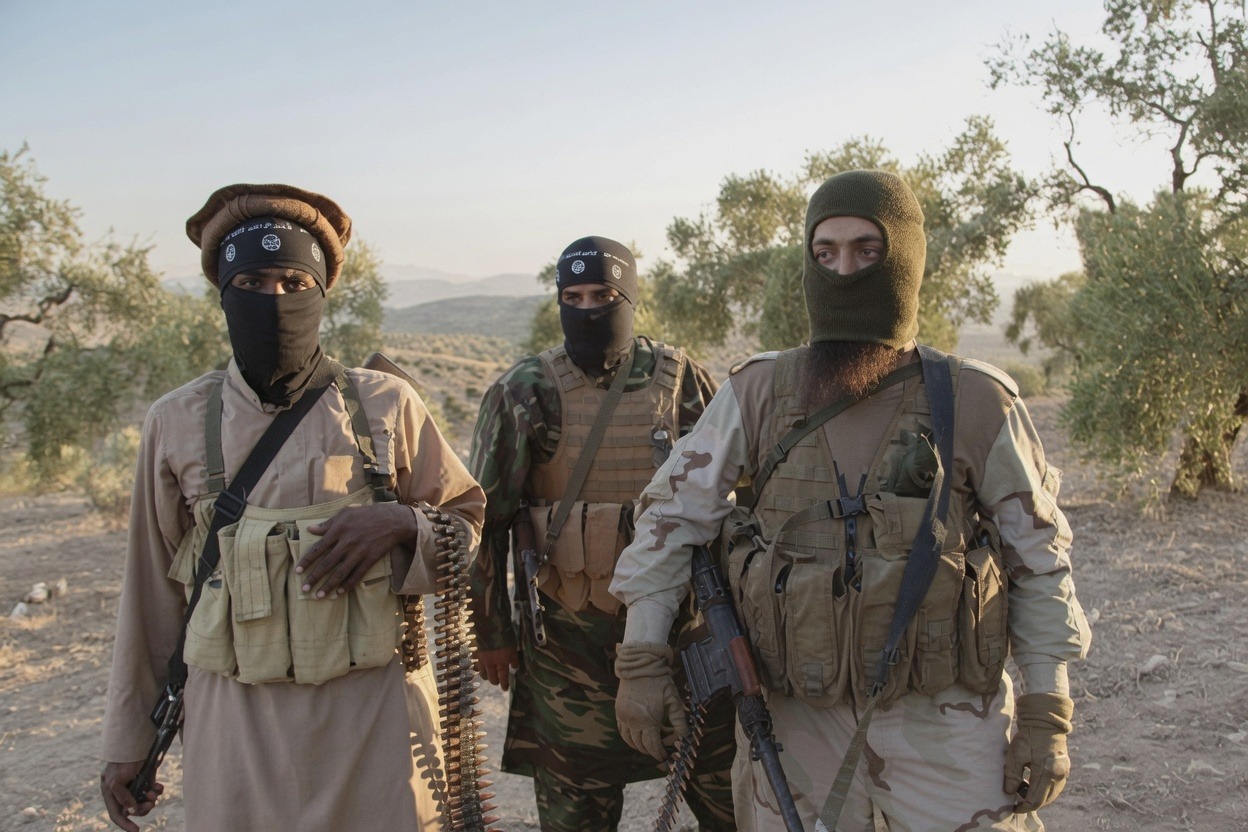
Niono has long been the nerve centre of Katiba Macina, the Sahelian franchise of the Group for the Support of Islam and Muslims (JNIM). This alliance, aligned with Al-Qaeda in the Islamic Maghreb (AQIM), has spent years embedding itself in the local economy, governance, and social fabric. When a convoy appears without Malian protection, it signals one thing to local cells: opportunity. The attackers moved with intimate knowledge of terrain, traffic patterns, and timing, suggesting levels of pre-attack surveillance that exceed typical guerrilla opportunism.
Inside the convoy’s fatal composition
Unlike the mixed Russian-Malian patrols that normally criss-cross the Niono theatre, this column was almost entirely Russian personnel. The group’s unfamiliarity with the subtle codes of central Malian hinterlands—routes, communication masts, and local informant networks—created a blind spot the ambush exploited. Insiders describe the attackers striking with precision at a narrow choke point, disabling lead vehicles before the column could fan out or call for air support.
What local accounts and jihadist claims reveal about the attack
Within hours, the JNIM released a statement claiming to have ‘neutralised or wounded at least seven Russian fighters’ and seized a significant haul of military gear. Field reports gathered from the ground paint a sobering picture: at least four Russian operatives were killed in the crossfire. Official silence followed: neither Mali’s General Staff nor Africa Corps spokespeople released a formal casualty count. The next day, Malian forces conducted targeted airstrikes around Dioura, hitting suspected terrorist positions—an admission, in operational terms, that the ambush had rattled the system.
Mapping the fallout: from Niono’s dust to Sahel’s broader shift
The attack punctures the assumption that Africa Corps’ presence in central Mali is an unassailable stabilising force. Katiba Macina’s ability to dictate the tempo, select the time and place, and inflict measurable damage reveals deeper fractures in the counter-terrorism grid. Civilians in the Ségou region now navigate a landscape where convoys can be hit with near impunity, and where the absence of Malian boots on the ground leaves Russian units dangerously exposed. The episode forces a rethink of how ‘hybrid’ counter-insurgency is actually playing out on the ground—and who really holds the initiative in Mali’s centre.
What happens next along the Niono road
Expect two immediate responses. First, an uptick in aerial surveillance over the Niono corridor, designed to compensate for the loss of human intelligence on the ground. Second, a likely tightening of convoy protocols—mandatory Malian army escorts, altered departure times, and possibly even the suspension of exclusive Russian-only movements. Neither fix addresses the root problem: the jihadist network’s entrenched local support and its mastery of central Mali’s terrain. Until that changes, ambushes like the one at Tiemaba and Wewo will remain part of the landscape, not exceptions to it.
