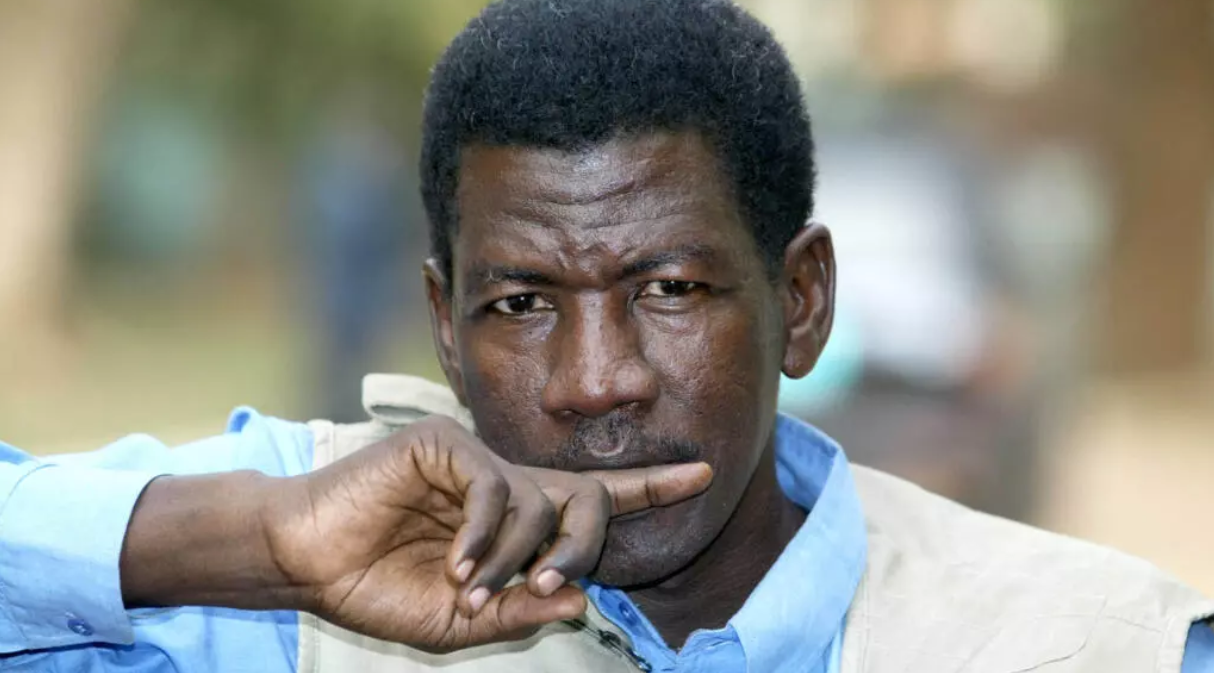
Inside Niger’s media crackdown: why Moussa Kaka’s disappearance exposes deeper threats to press freedom
Behind the disappearance of one of Niger’s most prominent journalists lies a broader, unsettling shift in the country’s media landscape. Since the July 2023 military takeover that brought General Abdourahamane Tiani to power, the space for independent reporting has tightened dramatically. Arrests have escalated, critical media outlets have faced suspension, and legal pressure has become routine—transforming how information flows in a nation already grappling with political instability and regional security concerns.
The case of Moussa Kaka, director-general of Radio-Télévision Saraounia and a respected voice in Nigerien journalism, is not just a personal tragedy. It is a symptom of a systemic crisis—one where the absence of journalists has become as telling as their presence. When Kaka vanished on the evening of August 31, 2026, just hours after leaving his office in Niamey, he joined a growing list of reporters caught in a web of enforced silence. While authorities have not confirmed responsibility, the timing and context raise urgent questions about the true cost of a shrinking public sphere.
From arrest to disappearance: the evolving tactics of media suppression
Niger’s media crackdown did not begin with Moussa Kaka’s vanishing. It started long before—with targeted arrests, punitive detentions, and the weaponization of legal frameworks. But the pattern has evolved. In some cases, journalists are detained under opaque circumstances, their whereabouts withheld for weeks before their imprisonment is officially acknowledged. In others, they are released without explanation, only to face new charges months later. And then there are the disappearances—silent and unexplained—like Kaka’s.
This transformation reflects a deliberate strategy: to create an environment where fear, not facts, dictates the news. When reporters like Kaka—who had spent nearly four decades building a reputation as a reliable source of information—can disappear without trace, the message to the media community is clear. Question the regime, and you risk not just arrest, but erasure.
A timeline of pressure: how the climate shifted after 2023
The July 2023 coup marked a turning point. Under President Mohamed Bazoum, Niger had been one of West Africa’s rare democracies—a status that, however fragile, had allowed for a degree of press pluralism. That changed overnight. International broadcasters like RFI and France 24 saw their signals suspended. Local outlets critical of the new leadership were shuttered or subjected to draconian regulations. And journalists who had previously operated with relative freedom found themselves navigating a maze of new risks.
The statistics tell the story: from 2024 to 2025, at least thirteen journalists were arrested across the country. Some, like Samira Sabou, were held in secret detention before their cases drew public attention. Others, such as Soumana Idrissa Maïga—founder of the newspaper L’Enquêteur—were jailed for reporting on sensitive issues, including alleged surveillance equipment in government buildings. In 2025 alone, three journalists from Sahara FM were detained after hosting a program on Niger-Russia military cooperation—a topic the junta deemed off-limits. In October of that year, six media professionals, including Kaka, were arrested over a social media post inviting people to a press conference. Three remain in custody for nearly a year before being released in mid-2026.
The cybercrime law: a legal tool to silence digital dissent
Central to this crackdown has been Niger’s cybercrime legislation, which grants authorities sweeping powers to prosecute journalists for online content. RSF warns that the law is increasingly used to target critical reporting, particularly on issues such as governance, security, and international relations. For journalists operating in a climate where even mundane subjects can trigger legal repercussions, the result is self-censorship—an outcome the junta appears to welcome.
Serge Mathurin Adou: a precedent that haunts the present
The disappearance of Ivorian journalist Serge Mathurin Adou in September 2024 offers a chilling precedent. Adou, based in Niamey and working for Canal 3, vanished after reporting he had to respond to a judicial summons. For weeks, his family and colleagues had no idea where he was—until the Ivorian government intervened and confirmed he was being held by Nigerien authorities. He was eventually charged with undermining state security, accused of destabilizing Burkina Faso through his reports.
Adou’s case underscores a disturbing norm: in Niger today, “disappeared” does not necessarily mean kidnapped. It can mean secretly detained—held incommunicado until a legal facade is constructed. The question now is whether Moussa Kaka’s case follows the same script. Without transparency, the fear is that it does.
Beyond Kaka: what freedom of the press means when journalists fear going home
Press freedom is not merely about whether newspapers are published or radio stations air. It is about whether citizens have access to credible, independent information. It is about whether journalists can hold power to account without risking their lives, liberty, or livelihood. In Niger, the erosion of these conditions is accelerating.
RSF’s 2026 World Press Freedom Index reflects the decline. In 2025, Niger ranked 83rd out of 180 countries. By 2026, it had plummeted to 120th—a 37-place drop in a single year. The organization attributes this collapse to a surge in journalist arrests, prosecutions, and restrictions imposed since the 2023 coup. The message is unmistakable: the junta is not just curtailing the press. It is dismantling it.
For Moussa Kaka’s family, colleagues, and the public whose right to know he championed, an urgent investigation is non-negotiable. But the stakes go further. With each disappearance, each secret detention, each suspended broadcast, Niger’s democratic fabric frays a little more. The real question is not just where Moussa Kaka is—but what will be left of journalism in Niger when he returns, if he ever does.
From silence to accountability: why this moment demands action
A transparent investigation into Kaka’s disappearance is the first step. But it must be followed by systemic reforms: the repeal of punitive cybercrime laws, the unconditional release of detained journalists, and a clear commitment to media pluralism. These are not just demands of civil society. They are preconditions for Niger’s recovery as a nation that values truth over control.
Until then, the shadow of fear will continue to grow. And with it, the silence that the junta seems determined to enforce—one journalist at a time.
