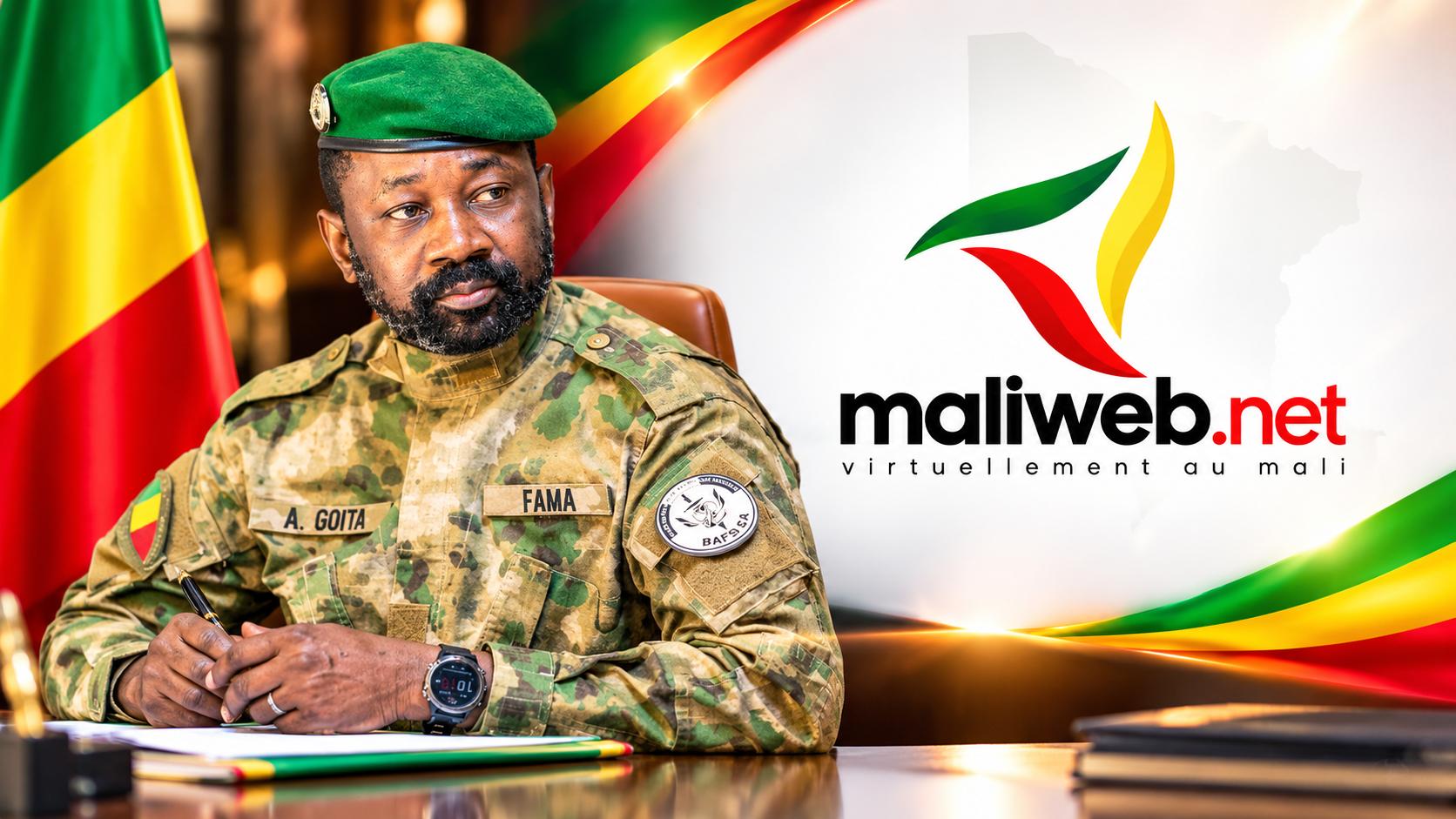
Inside Mali’s media shift: how one news portal became the army’s unofficial mouthpiece
In Mali’s fragile media landscape, where the line between factual reporting and wartime propaganda has long been contested, a critical transformation has unfolded behind the scenes. What was once a reputable digital news platform has shifted from independent journalism to an uncritical conveyor belt of official military narratives, reshaping how citizens perceive the country’s security challenges.
The turning point: when coverage replaced reporting
On September 15, 2026, Mali’s battle lines were drawn not only in the bushlands of Dioura and Mondoro but also in the digital sphere. As multiple on-the-ground accounts described heavy casualties and the capture of over 150 Malian soldiers, the digital portal’s response stood in stark contrast. Instead of cross-referencing reports or seeking out independent verification, it leaned exclusively on the army’s official communiqués, presenting a sanitized version of events where tactical failures were rewritten as heroic victories.
What drives the shift from journalism to propaganda
The portal’s increasingly unbalanced coverage didn’t happen overnight. Behind the scenes, a system of editorial choices has taken root, systematically shaping public perception in favor of the official narrative:
- Echo chambers of state messaging: Communication from military and government sources, including the Directorate of Public Relations and the armed forces, is published verbatim without independent scrutiny or contextual analysis.
- Human cost erased from the record: Reports of military losses, civilian casualties, or operational setbacks are either minimized, delayed, or omitted entirely, reinforcing a perception of military infallibility.
- Dissent framed as treachery: Any attempt to question the official line—whether through alternative sources or even local voices—is dismissed as misinformation or an attempt to undermine national morale.
The human cost of a media in service of power
This editorial pivot threatens more than journalistic integrity—it undermines public trust and citizens’ ability to make informed decisions. When a news portal that once served as a platform for diverse voices now acts as a megaphone for a single narrative, it doesn’t just report the war; it reshapes it. The result? A population left navigating a fog of carefully curated information, increasingly unsure what is real and what is manufactured.
What’s at stake for Mali’s democracy
In a country still grappling with insurgency and weak state institutions, the role of the press is not just to inform—it’s to hold power to account. When a digital news outlet abdicates its responsibility to verify and balance narratives, it doesn’t just reflect the war—it fuels it. For citizens, the question is no longer just about what happened on the battlefield, but about who controls the story—and what that means for the future of Mali’s fragile democracy.
