Inside Benin’s traffic enforcement surge: the forces, the fines and the strategy reshaping the roads
Inside Benin’s traffic enforcement surge: the forces, the fines and the strategy reshaping the roads
A closer look at what is really driving the Republican Police’s nationwide crackdown on traffic violations, from the timing of the operation to the economics of the fines and the geography of the deployment.
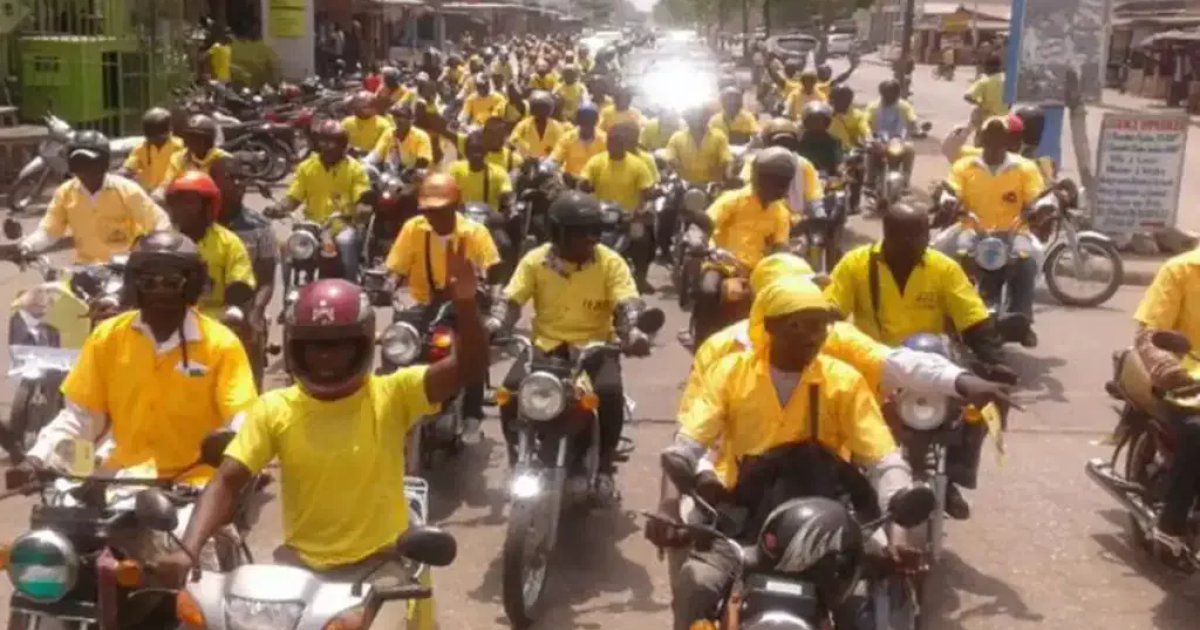
Since Sunday, September 20, 2026, law enforcement units across Benin have been running a large-scale operation targeting drivers and motorcyclists who break the Highway Code. Over the first two days, more than one hundred two-wheel riders and roughly ten car drivers were stopped and penalised at strategic points around the country.
The pace accelerated sharply on Tuesday, September 22, 2026, in Benin’s economic capital. In the Fidjrossè area alone, more than forty motorcyclists were intercepted within a single hour, while many car drivers were pulled over along the Marina boulevard.
Offenders face a strict price list: using a phone while driving or riding costs 20,000 CFA francs, overloading carries a 10,000 CFA franc penalty, driving the wrong way is fined 6,000 CFA francs, and failing to wear a protective helmet is sanctioned with a 5,000 CFA franc fine.
Patrols are also keeping a close eye on traffic lights. Anyone running a red light faces the regulatory sanctions set out in the texts.
A coordinated roll-out across Benin’s main urban centres
Far from being limited to the economic capital, the crackdown covers urban hubs across the country. Police detachments are actively deployed at junctions and on the main roads of Abomey-Calavi, Porto-Novo, Sèmè-Podji, Ouidah, Bohicon and Parakou.
The stated goal of the police command is to wipe out risky behaviour, preserve human lives and restore lasting collective discipline on the national road network.
