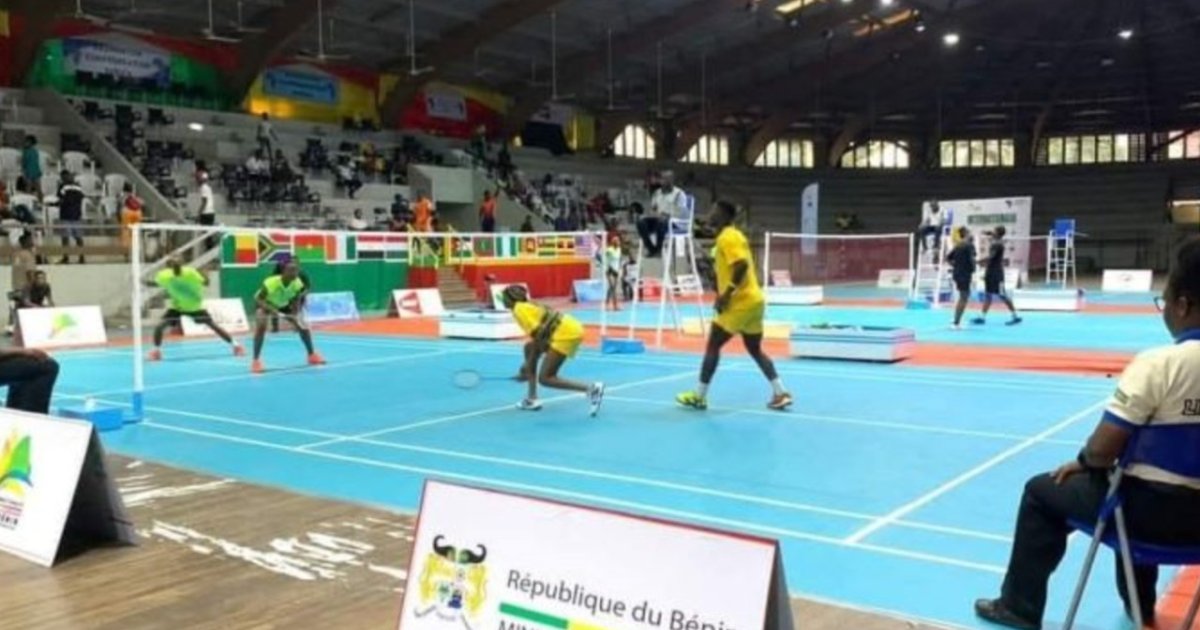
Inside Benin’s AirBadminton gold: the tactical edge behind a 3-0 sweep of Mauritius in Entebbe
The structural roots of a flawless final
Benin’s men’s triples team delivered a statement performance at the African AirBadminton Championships on Saturday, September 19, 2026, in Entebbe, Uganda. The 3-0 victory over Mauritius in the final was not merely a scoreline; it was the product of a carefully built system that had been tested and refined throughout the tournament. Oswald Fano-Dosh, Carlos Kpanou, Julien Totin, and Preferet Adomahou formed the quartet that secured Benin’s gold medal in the discipline, capping a campaign that had already shown signs of something larger at play.
Why the team relay silver mattered more than it seemed
Two days before the triples final, Benin had fallen 60-57 to Egypt in the Team Relay final, settling for silver. On the surface, it was a near miss. In context, it was the moment the delegation validated its qualification for the BWF AirBadminton World Championships 2026. That result gave the Beninese squad both a benchmark and a boost. The narrow loss to Egypt exposed areas to sharpen, but it also confirmed that Benin could compete at the highest level of the continental event. The triples team carried that momentum into the final against Mauritius.
The tactical breakdown: how Mauritius was neutralised
Mauritius arrived in the final after a hard-fought 3-2 semifinal win over Egypt, a match that had demanded five games and likely drained both physical and mental reserves. Against Benin, the Mauritian side could not claim a single game. The triples format, unique to AirBadminton, pits three players per side in a best-of-five structure, with the first to three games taking the match. Benin’s 3-0 result reflects a complete tactical shutdown, not a lucky break. The Beninese players controlled the tempo, minimised errors, and exploited the spaces that Mauritius, perhaps fatigued from its semifinal battle, struggled to cover.
What this gold reveals about Benin’s sporting trajectory
The championship, held at Aero Beach in Entebbe, brought together 14 countries and more than 120 participants. For Benin to emerge with gold in triples and silver in Team Relay is a signal that the country’s investment in AirBadminton is producing tangible returns. The discipline, played outdoors and on sand, demands adaptability and teamwork, qualities that the Beninese delegation demonstrated across both events. The gold in men’s triples is not an isolated spike; it is the visible tip of a deeper competitive foundation that has been forming within Benin’s badminton community.
The bigger picture: a continental shift in AirBadminton
Mauritius, a traditional force in the region, had to settle for silver after entering the final with momentum from its semifinal comeback. Egypt, which beat Benin in the Team Relay final, also showed its strength. Yet Benin’s ability to bounce back from that narrow 60-57 defeat and deliver a clean 3-0 in the triples final points to a team with resilience and tactical discipline. As the African AirBadminton scene grows, Benin’s performance in Entebbe positions the country as a rising contender, not just a participant. The gold medal is a result, but the behind-the-scenes work that produced it is the real story for those tracking the sport’s development on the continent.
