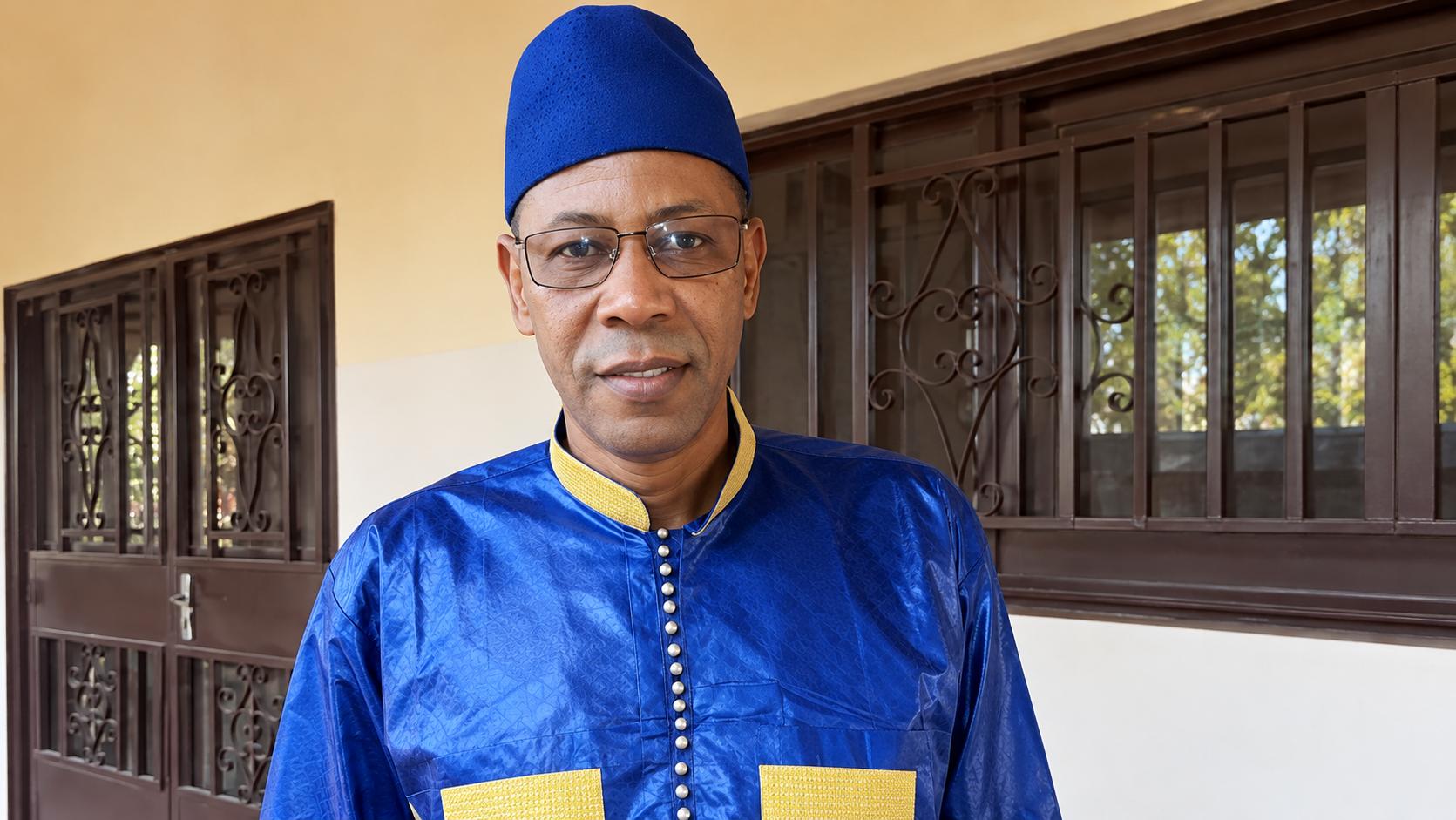
In Bamako, the targeting of journalist Abdrahamane Keïta exposes a systematic crackdown on free speech
In Bamako, the military authorities have escalated their campaign against independent journalism by hauling reporter Abdrahamane Keïta before the specialized cybercrime unit. The reporter’s sole offense was providing a realistic assessment of the deteriorating security situation in Kidal and detailing the strategic setbacks experienced by the armed forces.
A judicial weapon against independent reporting
Instead of addressing the public’s growing anxieties regarding the northern region’s instability, the ruling junta has chosen to deploy the legal system against observers. By exploiting cybercrime legislation, the administration seeks to enforce absolute silence and extinguish any critical analysis of its security policies.
A growing pattern of silencing voices
The prosecution of Abdrahamane Keïta is part of an expanding wave of repression targeting those who challenge the official narrative:
- Within Mali, the prominent commentator Mohamed Youssouf Bathily, widely known as Ras Bath, remains behind bars for expressing his views. Similarly, academic Étienne Fakaba Sissoko received a prison sentence after publishing a book analyzing government propaganda. Activist Rokia Doumbia was jailed for highlighting inflation and crisis management, while Clément Dembélé has faced arbitrary detention and temporary disappearances.
- Across the Sahel, these authoritarian tactics are spreading rapidly. In Burkina Faso, media professionals and commentators such as Serge Oulon, Alain Traoré, and Kalifara Séré have been abducted or forcibly deployed to the front lines after questioning military strategies. Meanwhile, in Niger, established journalists like Moussa Kaka face ongoing harassment and detentions.
Truth treated as a national security threat
The systematic targeting of media professionals reveals a deliberate strategy. Any reporting that diverges from government propaganda is quickly branded as an attempt to demoralize the armed forces or threaten state security. As the security landscape worsens, the transitional government demonstrates an absolute intolerance for dissent, effectively outlawing investigative journalism.
An atmosphere of fear in the media landscape
This latest legal battle contributes directly to a climate of intimidation designed to eliminate all divergent viewpoints from public discourse. Repeated interrogations, targeted detentions, and media bans have become routine for those who refuse to act as mere mouthpieces for the state. By prosecuting a reporter for simply documenting the realities of the situation in Kidal, the authorities reveal their deep vulnerability and their resolve to keep the nation in an informational vacuum.
