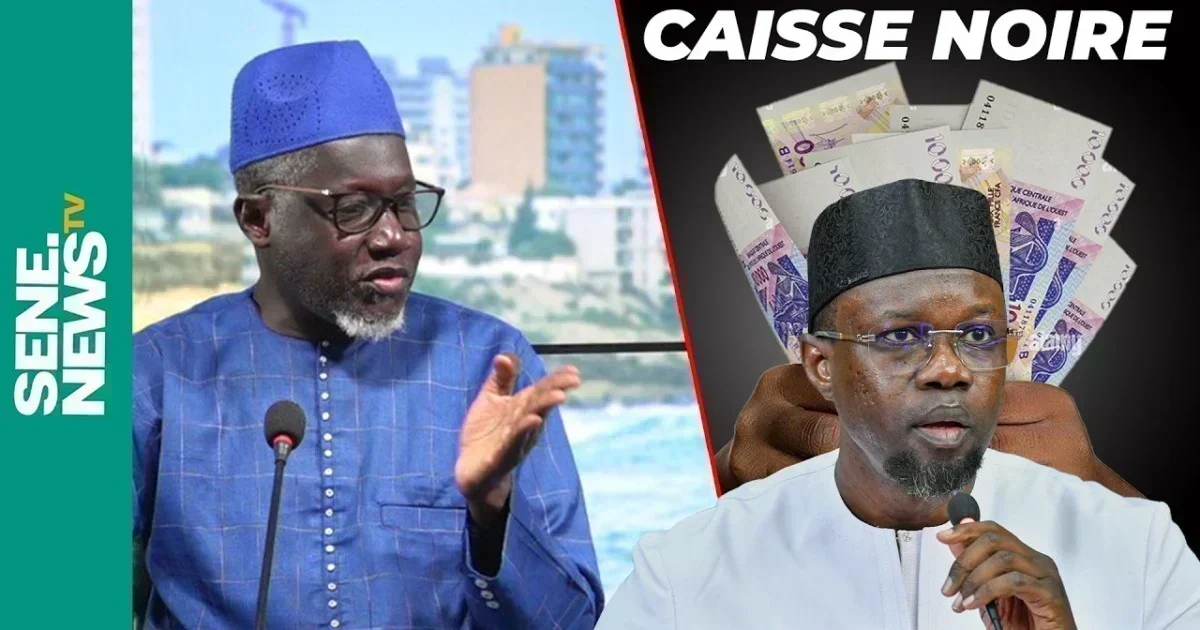
Imam kante exposes alleged misuse of special funds by ousmane sonko
In a revealing statement, prominent religious leader Imam Kanté has shed light on the alleged mismanagement of special funds during the tenure of opposition figure Ousmane Sonko. Speaking with conviction, Kanté outlined concerns regarding financial transparency and the allocation of public resources linked to Sonko’s political activities.
key revelations from the imam’s testimony
According to Kanté, the special funds in question were reportedly directed toward political campaigns and organizational efforts, raising questions about compliance with national financial regulations. The imam’s claims suggest a pattern of opaque fund management, which he argues undermines public trust in political institutions. His detailed account highlights discrepancies between allocated budgets and actual expenditures.
public reaction and political implications
The allegations have sparked intense debate across Senegal, with citizens and political analysts closely examining the implications for governance and accountability. Critics demand clarity on how these funds were utilized, while supporters of Sonko dismiss the accusations as politically motivated. The controversy has intensified scrutiny of political finance practices in the country.
demands for transparency grow louder
Civil society groups and opposition parties are calling for an independent audit of financial records to verify Kanté’s claims. Many argue that without full disclosure, the integrity of political processes remains in question. The situation underscores the broader challenge of ensuring transparency in public spending, particularly in high-stakes political environments.
