
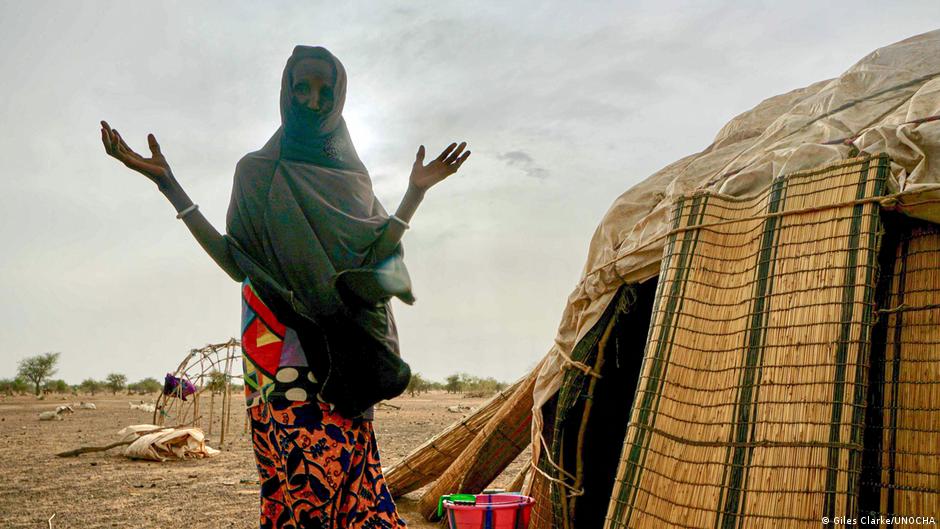
The Sahel region is facing an escalating hunger crisis, with one in five residents enduring food insecurity in 2025. This alarming trend, persisting for 15 years, reflects a worsening humanitarian emergency across West and Central Africa.
Ong warns of deepening malnutrition in Mali’s conflict zones
Fanta Touré Diop, West and Central Africa regional representative for the international NGO Action Against Hunger, has sounded the alarm on the dire conditions in northern Mali. In an exclusive interview, she highlighted the compounded crises of conflict, climate change, and funding shortages driving the region toward catastrophe.
Climate change and conflict fuel food insecurity
Touré Diop identified multiple factors exacerbating the crisis in the Sahel, particularly in Mali. Persistent insecurity in the north has displaced thousands, forcing families into southern regions like Bamako and Sikasso. Meanwhile, climate-related shocks—droughts, erratic rainfall, and desertification—have crippled agricultural production, leaving communities with dwindling food supplies.
The funding gap further compounds the emergency. Reduced international support has slashed critical aid programs, leaving 57 million people across West and Central Africa in acute food and nutritional insecurity. In the Sahel alone, 24.3 million require urgent assistance, yet only 21% of the required $3.7 billion has been secured.
Northern Mali bears the brunt of displacement and hunger
The northern regions of Mali remain the epicenter of the crisis, with violent extremism and intercommunal clashes displacing entire populations. Touré Diop emphasized the need for coordinated action involving the Malian government, international organizations, and local civil society to address the humanitarian fallout.
She stressed that political leadership must prioritize data-driven planning to build resilience. “Strategic interventions require reliable information to target interventions effectively,” she noted. Without urgent measures, the region risks further destabilization, with long-term consequences for food systems and livelihoods.
Urgent calls for sustainable solutions
Beyond emergency aid, experts advocate for structural reforms to strengthen food security. Investments in climate-resilient agriculture, infrastructure, and social protection programs are critical to breaking the cycle of hunger. However, with funding shortfalls and ongoing insecurity, the path forward remains fraught with challenges.
The crisis in the Sahel demands immediate attention from policymakers, donors, and humanitarian actors to prevent a full-blown catastrophe.