
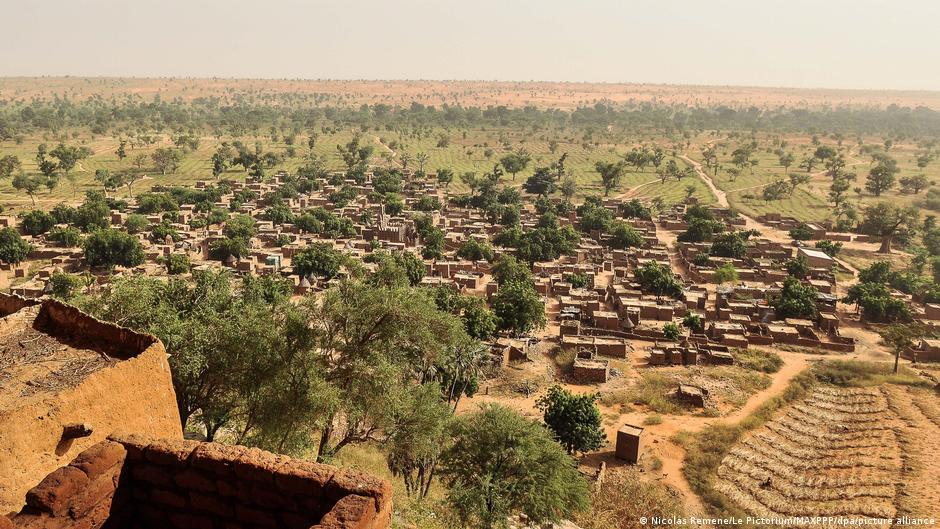
In a significant development for central Mali, hundreds of displaced Dogon families have begun returning to their homes in the Bankass district. This return follows carefully negotiated local agreements between village leaders and armed groups operating in the region.
The agreements, struck with the Group for the Support of Islam and Muslims (Jama’at Nusrat al-Islam wal Muslimin, JNIM), have created a fragile but tangible framework for coexistence. While these terms allow displaced residents to resume their livelihoods, they also impose strict conditions that reflect the armed group’s interpretation of Islamic law.
strict conditions for return
Under the terms accepted by returning communities, several cultural and social norms have been mandated. Women are now required to wear the veil in public, while men must adhere to specific dress codes, including wearing shorts. Perhaps most significantly, the resumption of formal education in public schools has been halted, with Islamic religious instruction becoming the primary form of learning permitted in affected areas.
Despite these concessions, many displaced individuals view the return as a necessary step toward stability. The onset of the rainy season has provided an additional incentive, as farming activities become possible once again under the agreements’ protection.
voices from the ground
An educator from Bare Darsalam village, who chose to remain anonymous, described the complex emotions surrounding the return after seven years of displacement. “Our village was destroyed in 2019 when we were forced to leave,” he explained. “The school was completely wrecked. While we are grateful for the opportunity to return, we are still assessing what these new rules mean for our families. We haven’t yet started wearing shorts or forcing our wives to cover themselves. We need time to understand what’s expected of us.”
local leadership weighs in
Allaye Guindo, mayor of the Bankass urban commune, confirmed that the agreements have facilitated the return of displaced persons to 13 villages across the district. “The rains have started, and those who have come back are already preparing their fields,” he stated. “The situation remains tense, but the fact that people feel safe enough to cultivate their land is a positive sign.”
Guindo emphasized that village elders and customary authorities have been compelled to adapt to the new reality dictated by the armed groups. “The foundation of these agreements is the application of Sharia law,” he noted. “While it’s not ideal, it’s what allows our people to return home.”