
hundreds displaced after terror attacks in southwest Niger
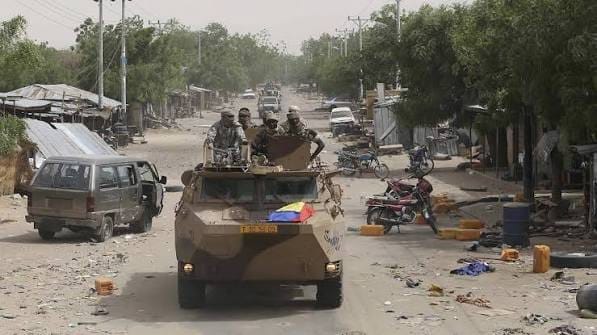
Violent extremist assaults in mid-July targeted rural communities in southwestern Niger, forcing hundreds of residents to flee their homes. The attacks, concentrated in the Dosso region near the borders with Nigeria and Bénin, mark a troubling escalation in a previously stable area now grappling with insurgent violence.
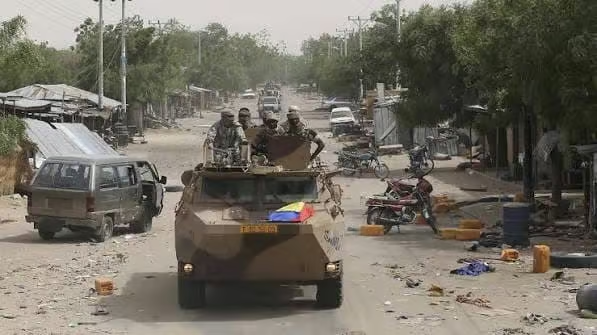
Survivors, as seen in footage aired by national television, have sought refuge in neighboring Tahoua, close to the Nigeria border, while others have relocated to Dogondoutchi, roughly 100 kilometers from Loga. These displacements highlight the growing reach of terrorist networks in a region that has long remained on the periphery of conflict.
A surge in violence linked to regional terror networks
Since 2025, the Dosso region has become a new hotspot for attacks attributed to affiliates of Al-Qaïda and the Islamic State in the Greater Sahel. This shift follows years of violence concentrated in other parts of Niger, particularly in Tillabéri (west), Diffa (southeast), and Tahoua (center-east), where nearly 450,000 internally displaced persons (IDPs) had already taken shelter by 2025.
The United Nations reports that Tillabéri alone hosts 48% of these displaced populations, underscoring the severe humanitarian strain in areas bordering Burkina Faso and Mali.
Military losses amid rising insurgent threats
On July 17, a coordinated attack on a military detachment in western Niger resulted in 16 soldiers killed and 23 injured, with 15 assailants neutralized. This incident reflects the intensifying pressure on security forces as extremist groups expand their operations across the region.
For over a decade, Niger has faced relentless attacks from the Islamic State in the Sahel and the Jama’at Nusrat al-Islam wal Muslimin (JNIM), an Al-Qaïda affiliate. The southwestern border areas, once considered safer, now face similar threats, raising concerns about the broader stability of West Africa.
Humanitarian crisis deepens as displacement accelerates
The latest wave of violence has added to Niger’s already severe displacement crisis. With over 450,000 internally displaced persons, the country continues to struggle with providing adequate shelter, food, and security for affected populations. The Dosso region, now at the forefront of this crisis, exemplifies how terrorist expansion is reshaping the humanitarian landscape in the Sahel.
The situation demands urgent regional cooperation and sustained international support to address both the security vacuum and the growing humanitarian needs of displaced communities.