
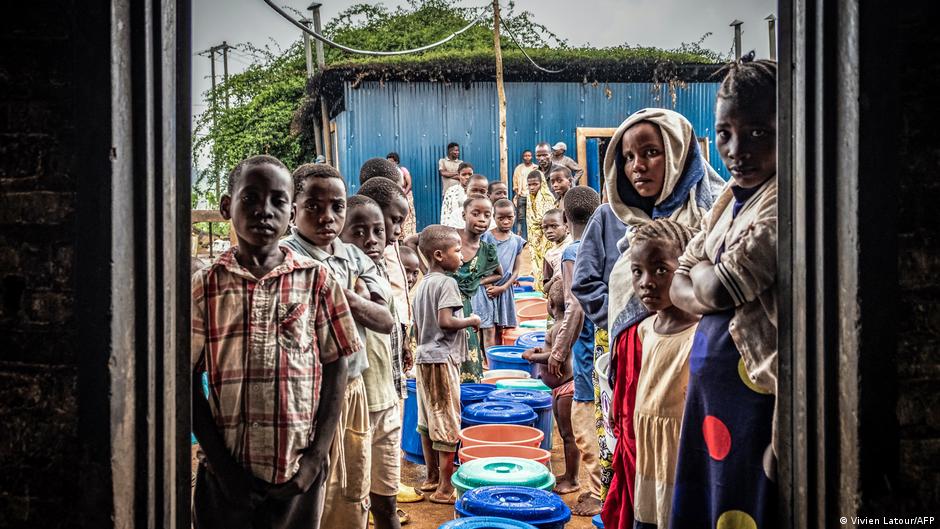
In the eastern regions of the Democratic Republic of the Congo (DRC), persistent breaches of international humanitarian law continue to fuel a humanitarian crisis, despite repeated calls for compliance. The International Committee of the Red Cross (ICRC) has raised urgent concerns, emphasizing the need for stricter adherence to these critical legal frameworks to safeguard civilian lives amid ongoing conflicts.
In response to the growing threats faced by local populations, the ICRC convened a high-level conference in Kinshasa on July 23, bringing together stakeholders to address the widening gap between legal protections and their enforcement on the ground.
Civilian suffering amid unenforced protections
The eastern DRC remains a hotspot for conflict, where the blurred lines between armed groups and the lack of clear distinction between combatants and civilians have exacerbated civilian casualties. Human rights advocate Julienne Lusenge highlights the staggering toll of sexual violence in these zones, underscoring the disproportionate impact on women and girls.
“Sexual violence has reached catastrophic levels. Every minute, women, girls, and even children—though men are also affected—face unimaginable atrocities,” Lusenge states. She stresses the urgent need for international accountability, noting the absence of convictions for such crimes despite their prevalence.
“Without global sanctions and prosecutions, these violations will persist unchecked. The international community must act decisively to end this cycle of impunity.“
Military justice as a deterrent
While the situation remains dire, military authorities in the DRC assert that efforts to hold perpetrators accountable are underway. General Jean-Paul Tshayikolo, a military magistrate at the High Military Court, emphasizes the dual role of military justice in both punishing wrongdoers and educating the armed forces.
“Our military justice system strives for excellence, but zero impunity is an unattainable goal. When we prosecute a soldier, the verdict serves as a lesson for others in the ranks. The statistics speak for themselves—justice is being served.“
A fractured conflict landscape
The eastern DRC’s conflict is further complicated by the presence of over 200 armed groups, many of which operate in shifting alliances across provinces like North Kivu, South Kivu, Ituri, and Tanganyika. This fragmentation not only hinders efforts to identify responsible parties but also obstructs mechanisms for dialogue, monitoring, and enforcement of humanitarian law.
The failure to uphold the fundamental principle of distinguishing between civilians and combatants has deepened the crisis, leaving communities vulnerable and justice elusive. Without robust reforms and international support, the cycle of violence and impunity is likely to persist.