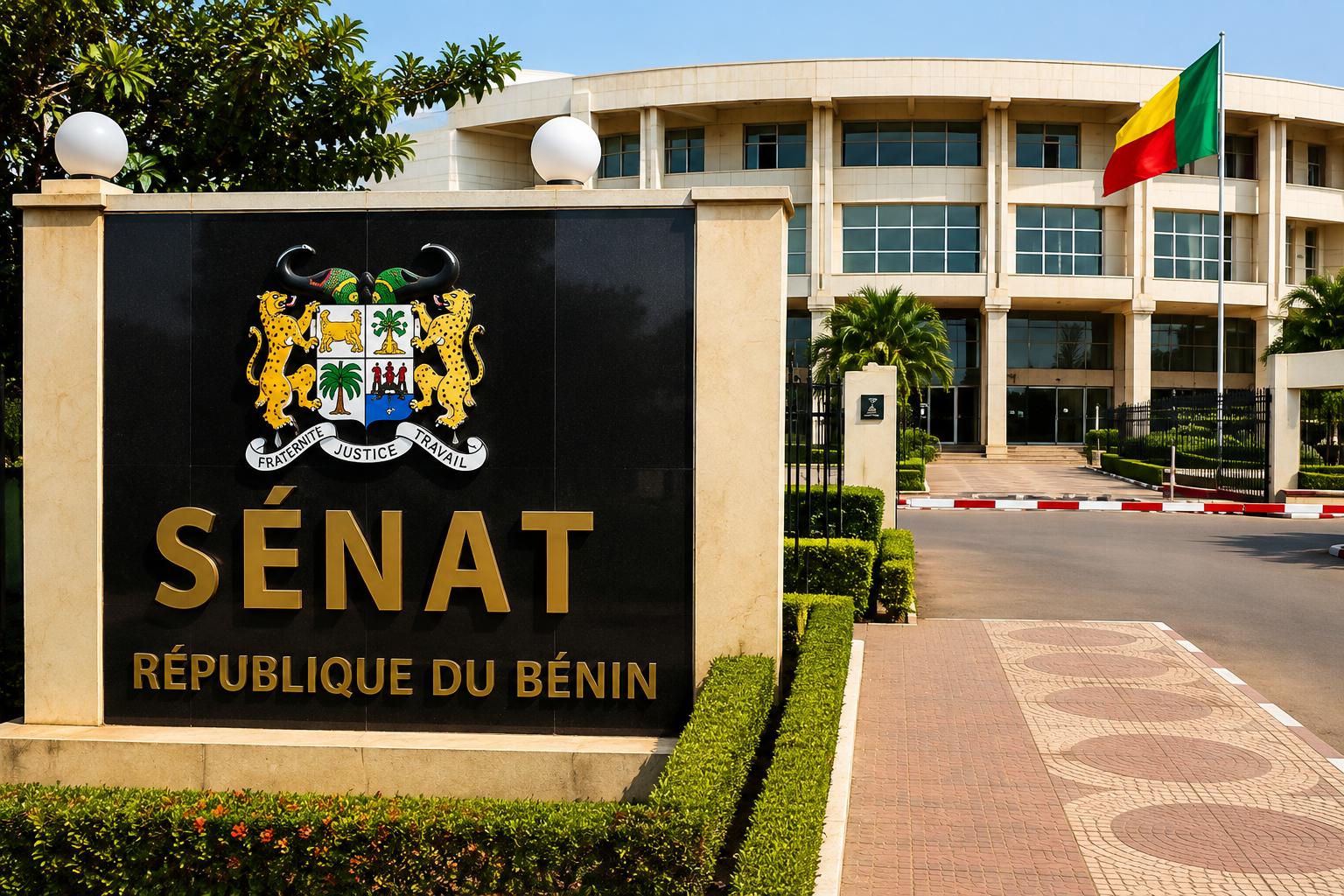
How Benin’s constitutional framework preserves executive power despite senate formation
Understanding the constitutional separation of powers in Bénin
In the wake of the appointment of an influential political figure to lead the upper chamber of Bénin’s Parliament, the digital sphere has buzzed with speculation. Yet a closer examination of the nation’s constitutional architecture reveals a system where executive authority remains firmly rooted in the presidency, even as legislative oversight gains new depth through the Senate.
The transition at the helm of the State has been seamless and unambiguous. Under the Constitution, the elected President of the Republic holds exclusive responsibility for national policy, government appointments, and administrative oversight. The former President Patrice Talon, having left office, does not retain any executive functions in his new role as President of the Senate. His constitutional mandate now centers on legislative leadership, not governance.
The Senate’s role: legislation, not execution
Misconceptions persist about the Senate’s function in the national decision-making process. It is essential to clarify that the Senate operates solely as a legislative body. Its responsibilities include reviewing draft laws, ensuring constitutional compliance, and representing territorial communities. It does not participate in cabinet decisions, decree drafting, or the implementation of public expenditure.
The President of the Senate chairs parliamentary sessions and guides legislative work, but does not influence ministerial appointments or strategic policy direction. The Executive remains entirely separate, with the current President of the Republic serving as Commander-in-Chief, head of government, and sole architect of public policy.
Why Bénin’s system stands apart from regional models
Some observers have drawn parallels between Bénin’s institutional reforms and constitutional changes in neighboring countries like Togo. Such comparisons, however, overlook a critical distinction: Bénin maintains a presidential system, not a parliamentary one. In Bénin, the Head of State is directly elected and wields full executive power. The creation of the Senate introduces a bicameral legislature to refine lawmaking but does not alter the fundamental balance of power. The President retains full control over the government, budget execution, and national security.
The Senate as a pillar of democratic maturity
The Senate’s composition—comprising former high-ranking officials, seasoned politicians, and distinguished citizens—positions it as a stabilizing force in the political landscape. In an environment often shaped by electoral fervor, the upper house serves as an institutional forum for reasoned debate, constitutional vigilance, and national cohesion.
Patrice Talon’s leadership of the Senate underscores a commitment to continuity and institutional memory. His role is one of guidance and oversight, not operational governance. By engaging in this capacity, he reinforces the Senate’s mission: to elevate legislative discourse, uphold the rule of law, and safeguard the long-term interests of the nation.
Strengthening democracy through clear constitutional roles
The establishment of the Senate marks a significant milestone in Bénin’s democratic evolution. Far from blurring the lines of authority, the reform clarifies them: the President leads the Executive, while the Senate ensures balanced legislation and institutional wisdom. This clarity fosters a more informed and constructive public debate—one rooted in constitutional reality rather than rumor.
