How Benin’s advisory council reshaped francophone social dialogue in Bucharest
How a West African voice steered the francophone social agenda in Bucharest
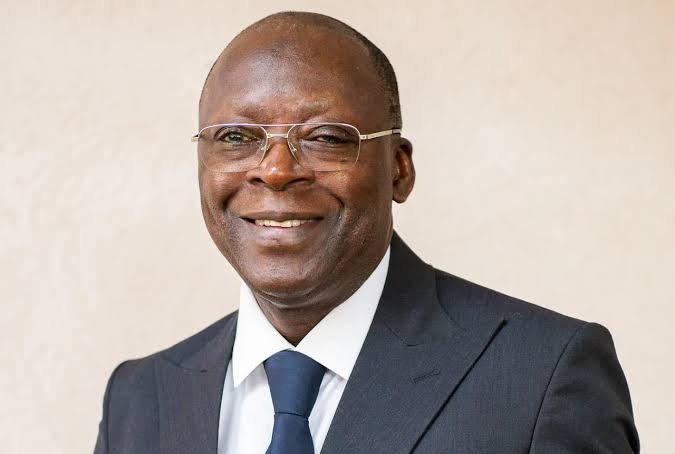
In a rare display of institutional diplomacy, the West African nation of Benin took center stage at the highest levels of francophone social consultation during a pivotal gathering in Bucharest. From September 28 to 30, 2026, Abdoulaye Bio Tchané, President of Benin’s Economic and Social Council (CES), led a high-level delegation to the general assembly of the Union of Francophone Economic and Social Councils (UCESIF) at the Romanian Parliament.
Against a backdrop of shifting global economic sands and youth unemployment challenges, this gathering wasn’t just another diplomatic stop—it became the backdrop where Benin’s consultative model met global institutions, embedding its influence within the francophone social dialogue network for years to come.
Behind the scenes: What really happened in Bucharest
The official agenda of the UCESIF assembly may have focused on governance reports and financial oversight, but the real work unfolded in the corridors, side meetings, and closed-door exchanges. Benin’s delegation, operating with a clear mandate from President Bio Tchané, moved beyond mere participation to active agenda-setting.
Key behind-the-scenes insights reveal a deliberate strategy:
- Strategic resource alignment: Rather than accepting top-down financial oversight, Benin pushed for a more participatory model where national priorities—especially youth employment and economic inclusion—could shape UCESIF’s budgetary and operational roadmap.
- Peer network expansion: Bio Tchané initiated bilateral discussions with counterparts from Africa and Europe, positioning Benin as a bridge between francophone institutions across continents.
- Institutional resonance: At a time when social dialogue is often criticized for being disconnected from citizens, Benin’s approach emphasized grassroots consultation as the foundation for policy legitimacy.
These moves weren’t spontaneous. They reflected a deeper institutional vision: transforming consultation from symbolic performance to actionable governance.
What the Bucharest summit changed for Benin—and why it matters
The resolutions adopted in Bucharest will serve as the blueprint for UCESIF’s next operational cycle, and Benin’s fingerprints are all over them. Among the most consequential outcomes:
- Embedded youth priorities: The final communiqué now includes a dedicated framework for youth economic empowerment—directly drawing from Benin’s National Youth Employment Program.
- Enhanced financial transparency: Benin championed stricter disclosure standards for UCESIF’s administrative spending, making the institution more accountable to its member states.
- Strengthened intercontinental ties: New joint initiatives between African and European CES bodies were formalized, with Benin positioned as a co-lead in one of the flagship programs focused on digital skills for young professionals.
This wasn’t just advocacy—it was institutional design. By embedding its national priorities into the UCESIF framework, Benin elevated its role from participant to policy influencer within the francophone social ecosystem.
Why this matters beyond Africa’s borders
The Bucharest summit wasn’t an isolated event. It signals a broader shift in how smaller nations leverage advisory councils as tools for geopolitical influence. Where traditional diplomacy often relies on military or economic clout, Benin’s strategy shows how institutional platforms—when used strategically—can amplify a nation’s voice in multilateral settings.
For the francophone world, this moment sets a new standard: social councils are no longer passive observers, but active architects of regional policy. For Benin, it confirms its place as a thought leader in democratic governance and economic consultation.
As the dust settled on Bucharest, one conclusion emerged: Benin didn’t just attend the summit—it reshaped it.
