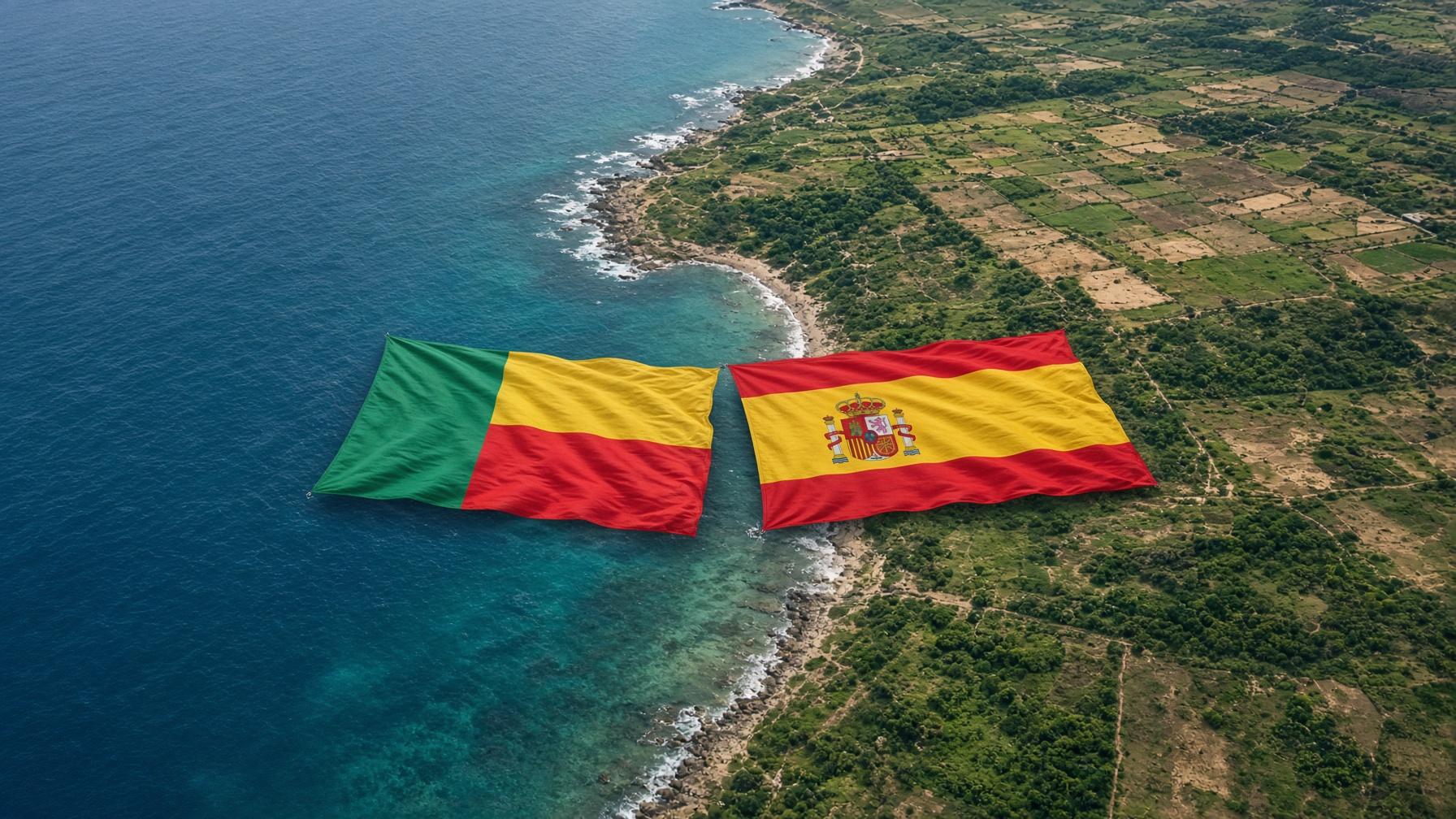
How Benin and Spain are leveraging art to redefine their global partnership
The unexpected strength of the Benin–Spain cultural alliance lies not in grand proclamations, but in the quiet mechanics of shared ambition. Behind the scenes, diplomats and cultural strategists in Cotonou and Madrid are reshaping how two nations—one West African, one European—cooperate across art, heritage, and modern creativity. This is not just about cultural diplomacy; it’s about redesigning the framework for international collaboration in the 21st century.
What really powers the Benin–Spain cultural partnership
At the heart of this transformation are three invisible forces driving the alliance forward: institutional alignment, technical exchange, and economic vision. While headlines celebrate the agreement, the real work happens in the details—cross-border artist residencies, joint restoration projects, and professional training programs that bridge centuries of artistic tradition with contemporary innovation.
For the first time, Benin’s Ministry of Tourism, Culture, and Arts and Spain’s cultural diplomacy arm have aligned their strategies around a shared narrative: art as a geopolitical asset. This shift is subtle but profound—it moves the conversation from symbolic gestures to sustainable infrastructure.
The engine behind the scenes: why this alliance started
The collaboration wasn’t born from a single decision, but from a long-simmering realization: both countries face similar challenges in preserving heritage, nurturing creators, and positioning themselves in the global cultural economy. Benin, rich in history but underrepresented in global art circuits, found in Spain a partner with deep expertise in museum design, restoration, and tourism integration. Spain, seeking new narratives beyond traditional cultural exports, discovered in Benin a vibrant creative ecosystem ready for international collaboration.
This convergence was accelerated by years of informal dialogue between curators, artists, and diplomats. The result? A partnership built not on political pressure, but on mutual recognition of what each could offer the other.
Where the alliance becomes tangible: programs in action
What began as a diplomatic vision is now taking concrete form through several flagship initiatives:
- Artist exchange residencies: Beninese sculptors, painters, and textile artists travel to Spain to work alongside Spanish peers in studios and cultural centers, while Spanish filmmakers and theater directors immerse themselves in Benin’s dynamic performing arts scene.
- Heritage restoration workshops: Spanish experts train Beninese conservators in advanced techniques for preserving ancient artifacts and colonial-era architecture, integrating local knowledge with European standards.
- Digital archive projects: A joint initiative to scan, document, and globally distribute Benin’s rich oral traditions, royal artifacts, and contemporary artworks through a bilingual (French and Spanish) digital platform.
- Tourism circuit development: Joint marketing campaigns introducing Benin as a “cultural trail” connecting West African heritage with European art history, positioning Porto-Novo and Ouidah as must-visit destinations for cultural travelers.
The ripple effects: what’s changing for creators and communities
The alliance isn’t just about high-level agreements—it’s already transforming the daily lives of artists, curators, and small business owners. For Beninese creators, access to Spanish galleries, festivals, and funding opens doors previously closed. For Spanish cultural institutions, Benin offers fresh perspectives, untapped markets, and a gateway to growing West African audiences.
In Porto-Novo, a new art academy is being established with Spanish academic support. In Ouidah, the restoration of the historic Portuguese fort is becoming a joint venture, blending tourism revenue with heritage preservation. Even small businesses—artisans, guides, and cultural tour operators—are seeing increased demand from international visitors drawn by the enhanced cultural narrative.
What’s next: the path to a lasting legacy
The real test of this alliance will be measured not by its launch, but by its endurance. Will the programs outlive political changes? Will the economic benefits reach beyond the elite? Will the cultural narrative resonate with younger generations?
Success depends on three factors: continuous funding, transparent governance, and genuine community engagement. Early signs are promising: both governments have committed to multi-year budgets, and local artists are being integrated into decision-making processes.
If sustained, this model could redefine how African and European nations collaborate—not through aid or dependency, but through mutual empowerment in the creative economy.
